Five Tarp Configurations Worth Memorising
Five tarp shelter configurations: A-frame, lean-to, storm wedge, diamond fly and plow point — when to use each, how to pitch it and how to stop condensation.
How it works, step by step
Pitch the A-frame for straightforward rain
Pitch the A-frame for straightforward rain cover. Run a ridgeline between two anchors, drape the tarp over it, and peg out both sides low to the ground - simple, stable, and the best default when wind isn't a major factor.
Quick facts
Why one tarp, five shapes
The same tarp pitched five different ways solves five different problems - wind, rain angle, group size and how much floor space you need. Learning the shapes rather than one fixed pitch means you can adapt to the site in front of you instead of the site you planned for.
The five configurations
- 01
Pitch the A-frame for straightforward rain cover. Run a ridgeline between two anchors, drape the tarp over it, and peg out both sides low to the ground - simple, stable, and the best default when wind isn't a major factor.
- 02
Pitch the lean-to when you need an open, heat-reflecting face. Peg one edge to the ground and raise the opposite edge on poles or a line, leaving one whole side open toward a fire - good for warmth and visibility but exposed to wind from the open side.
- 03
Pitch the storm wedge low and tight in high wind. Drop the ridgeline height right down and peg all edges close to the ground so the tarp presents the smallest possible profile - it sacrifices headroom for stability.
- 04
Pitch the diamond fly when you want maximum covered floor space from a minimal frame. Rig the tarp corner-to-corner off a single central point or two opposing corners, letting the diamond shape shed rain off all four sides at once.
- 05
Pitch the plow point for a tight one-person shelter in wind and rain together. Peg one corner to the ground as the point, raise the opposite edge on a single pole, and stake the two side corners low - it's directional, so face the point into the weather.
Choosing the right one for the site
Use the A-frame or lean-to when wind is genuinely mild and you want speed. Switch to the storm wedge the moment wind becomes the dominant problem rather than rain - a taller pitch in high wind will flap, strain your guy lines and can fail overnight. The diamond fly earns its keep when you're sheltering a group or want gear cover as well as sleeping space. The plow point is the one worth knowing for solo travel through mixed wind-and-rain weather, since it's compact and directional.
Stopping condensation
Condensation builds up under any tarp when warm, moist air from breathing or cooking meets the cooler tarp fabric with nowhere to go. Pitching with a gap between the tarp edge and the ground - rather than sealing it flush - lets air move through and carries moisture out before it settles. Avoid cooking directly under a low pitch for the same reason; the extra moisture and heat make condensation worse fast.
Common mistakes
Pitching without checking which way the wind and rain are actually coming from is the most frequent error - a beautifully taut A-frame pitched side-on to driving rain will still get you wet. Under-tensioning the ridgeline leaves the whole structure prone to sagging and pooling water. Choosing the diamond fly or lean-to in strong wind because they look roomier, when the storm wedge would actually hold, is a close second.
When a tarp pitch isn't enough
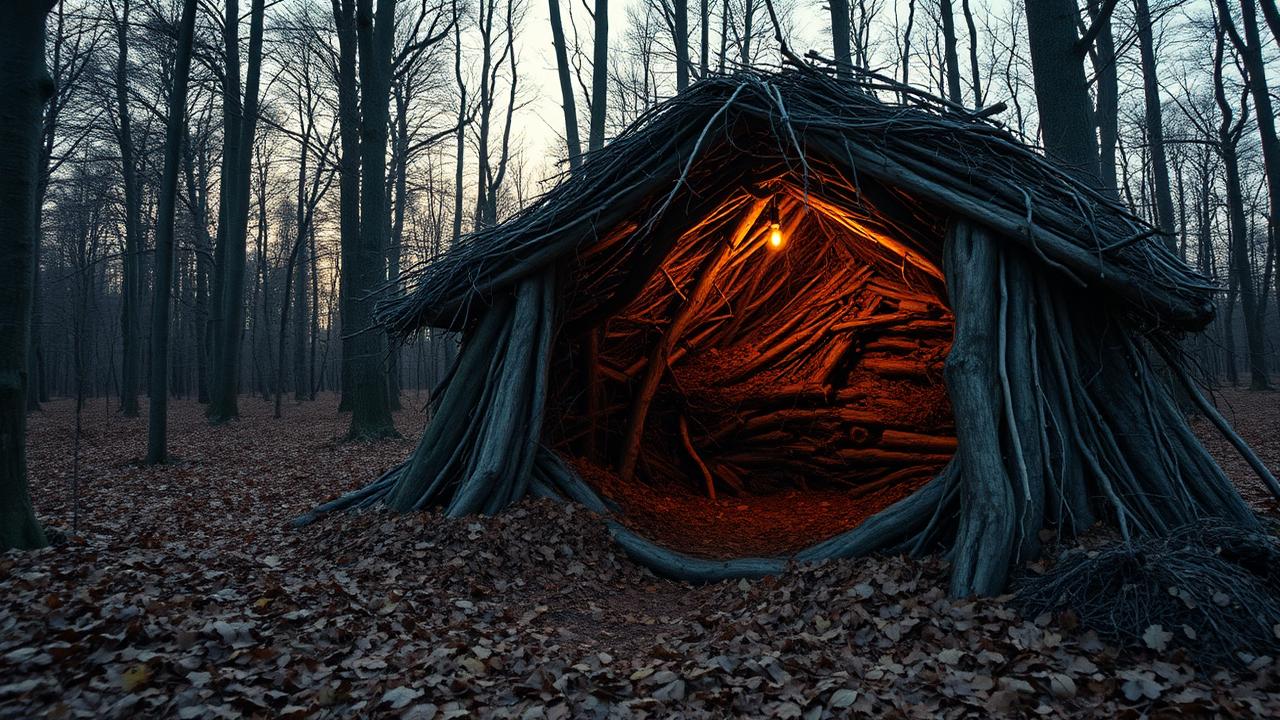
None of these configurations insulate you from the ground or trap heat the way an enclosed shelter does - pair a tarp pitch with a proper sleeping mat, or consider an emergency debris hut for extra insulation if temperatures are genuinely cold and you have time to build one. A tarp also won't stand up indefinitely to sustained gale-force wind regardless of configuration; know when to relocate rather than fight the pitch.
Sources and further reading
- Met Office, weather warnings and advice: https://www.metoffice.gov.uk/weather/warnings-and-advice
- ready.gov, general preparedness: https://www.ready.gov/
Gear you need for this hack
Everything below does the job in this guide. Improvise where you can — buy where it matters.
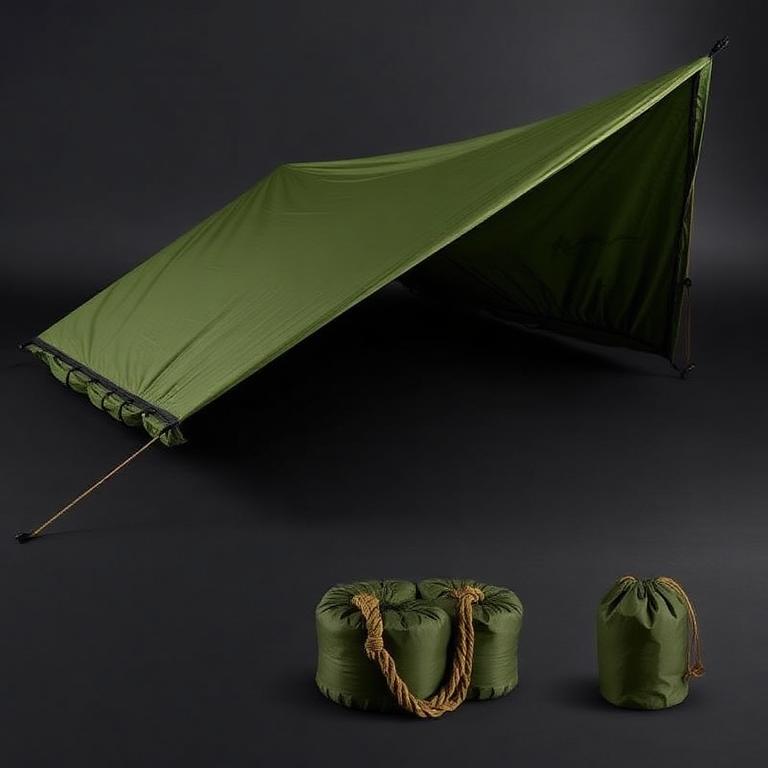
DD Hammocks 3x3 Tarp
DD Hammocks
19 tie-out points cover every configuration here.
19 tie-out points, so every configuration in the tarp guide is possible.
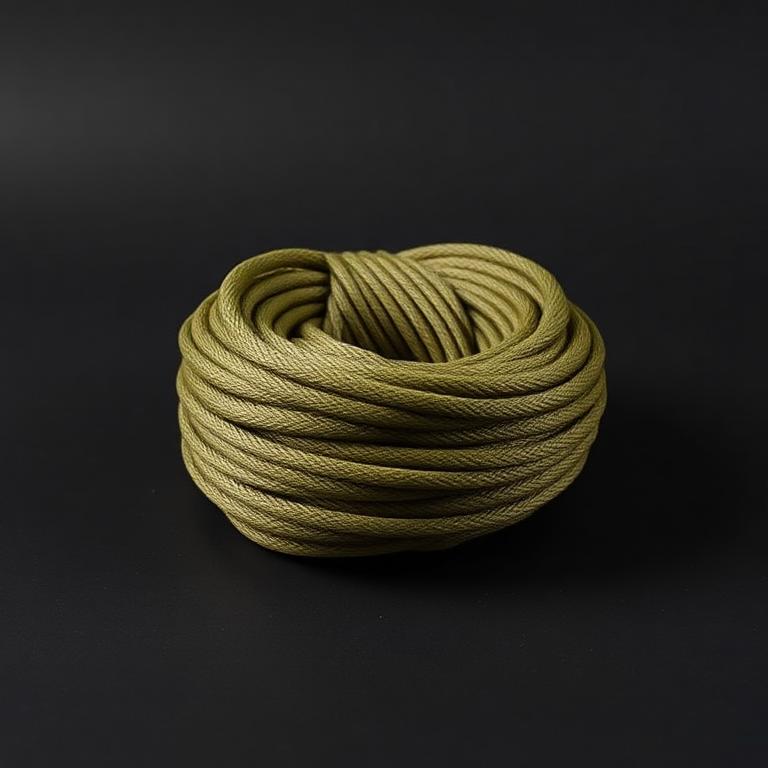
550 Paracord, 30m
Ridgeline and guylines.
Ridgelines, guylines, lashings and repairs. Buy real 7-strand cord.
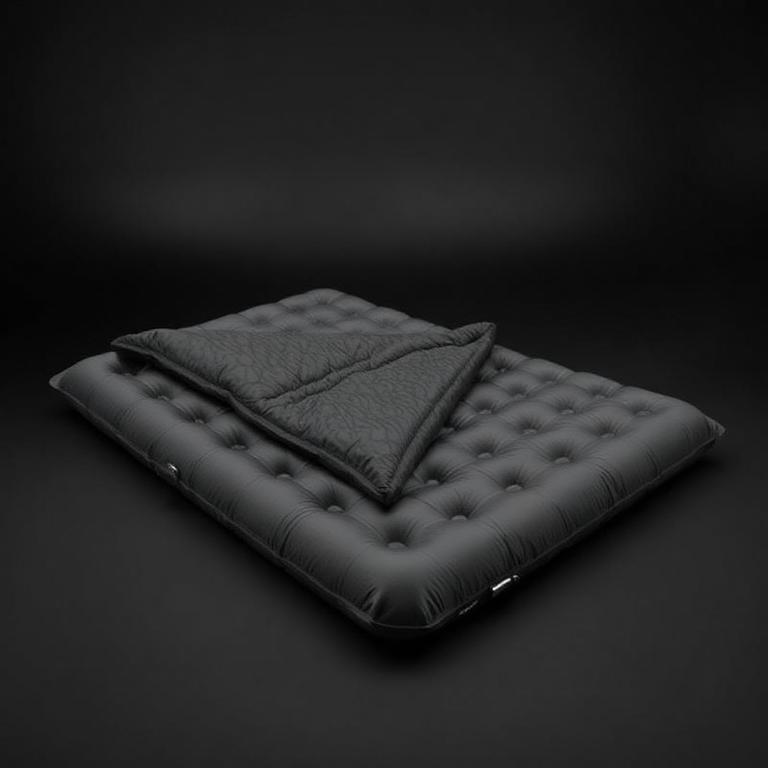
Insulated Sleeping Pad (R-value 4+)
Ground insulation matters more than the roof.
Ground steals more heat than air. R-value 4 or higher for cold nights.
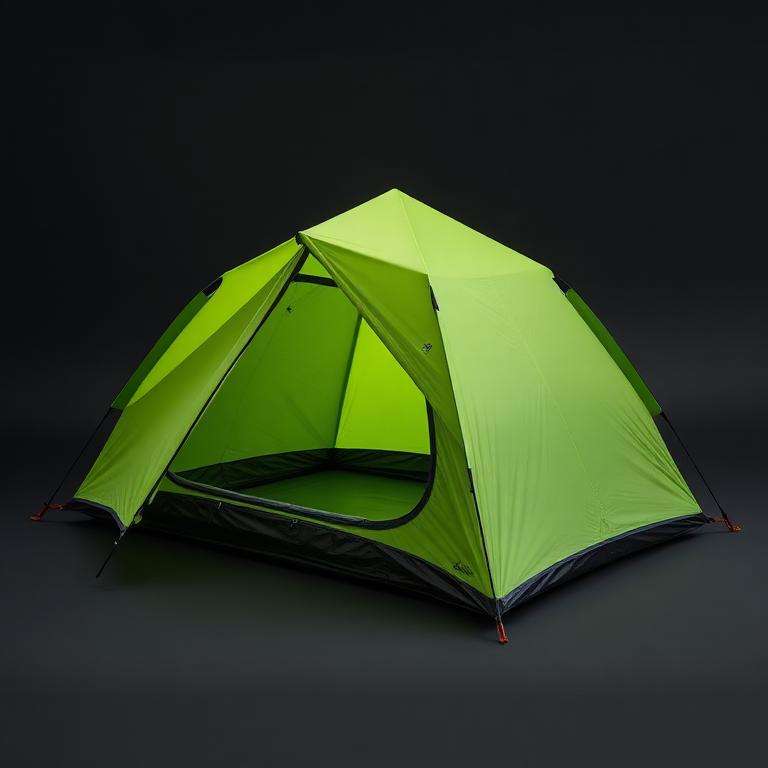
3-Season Backpacking Tent
When the weather is past tarp territory.
When the weather is genuinely bad, a real tent beats a clever tarp rig.
Some links are affiliate links: if you buy through them we earn a small commission at no extra cost to you. We don't run product tests, and a commission never decides what a guide recommends.
Rate this hack
Be the first to rate this hack
Share your experience
Have you tried this hack? Share your experience, results, tips or suggestions with other readers.
Community experiences
Loading…