Foraging Mushrooms Without Guessing
A rules-based method for safe mushroom foraging: spore prints, habitat, the deadly families to rule out first, and why photo matching gets people poisoned.
How it works, step by step
Take a full
Take a full, un-squashed specimen. Dig it out with the base intact — the stem base, any ring, and any cup (volva) at the bottom are often the features that separate an edible species from a deadly one, and they're the parts people leave in the ground.
Why lookalikes matter more than the recipe
Wild mushrooms sit at the sharp end of foraging. A handful of species cause organ failure days after a meal that tasted fine, and no single trick — smell, colour, slugs eating it, cooking it well done — makes a poisonous mushroom safe. This is a method for narrowing possibilities and ruling species out, not a shortcut to identifying dinner from one photo.
Treat everything here as a way to get better at asking the right questions, not as a green light to eat anything you find this week.
Quick facts
The rule-out method
- 01
Take a full, un-squashed specimen. Dig it out with the base intact — the stem base, any ring, and any cup (volva) at the bottom are often the features that separate an edible species from a deadly one, and they're the parts people leave in the ground.
- 02
Check for a volva and a ring together. A sac-like cup at the base plus a ring on the stem is the classic warning pattern of the Amanita genus, which includes the death cap and destroying angels. If you see either feature, stop and do not eat that mushroom, full stop.
- 03
Take a spore print. Cut the cap off, place it gills-down on half white and half dark paper overnight under a cup, and read the colour. Spore colour is one of the few features that isn't subjective and it rules whole families in or out.
- 04
Note the habitat and what it's growing on. Ground versus dead wood, the tree species nearby, and the time of year all narrow the field enormously — record this before you get home and forget.
- 05
Cross-check against a regional field guide, feature by feature. Match cap, gills, stem, spore print, habitat and smell all together, not one striking feature in isolation. A single matching photo is not an identification.
- 06
Get a second opinion from someone competent before eating anything new. A local mycological society, an experienced forager, or a pharmacist in regions where that's normal practice can catch mistakes a book alone won't.
Why photo matching gets people poisoned
Phone apps and quick photo comparisons fail because mushrooms vary hugely with age, weather and where they're growing — a young death cap can look pale and unremarkable, an old edible species can look nothing like its picture. Apps also can't smell a specimen, can't feel the texture of the gills, and don't know what's growing forty metres away. Poisoning cases repeatedly involve people who were "pretty sure" from a photo, not people who ran a full identification.
The deadly families to know by name
You do not need to identify every species to stay safe — you need to reliably rule out the ones that kill. Death cap and destroying angel (Amanita species) cause the majority of fatal poisonings worldwide and are frequently mistaken for edible paddy straw or button-type mushrooms; their symptoms are delayed 6-24 hours, by which point liver damage is already underway. Galerina species look unremarkable and grow on wood, easily confused with edible wood-loving mushrooms, and carry the same toxin family as death caps. False morels contain a toxin that's only partly destroyed by cooking and accumulates with repeated exposure. If a specimen falls anywhere near these families and you're not certain, discard it.
Common mistakes
Picking a single cap without the stem base throws away the exact features that identify the dangerous species. Relying on "if animals eat it, it's safe" is false — many animals tolerate toxins that harm humans. Assuming cooking neutralises toxins is false for the toxins that matter most here. And matching on one feature — cap colour, say — while ignoring gills, spore print and habitat is how experienced foragers occasionally get it wrong too.
When not to forage mushrooms at all
If you can't get a full, intact, fresh specimen, if you're foraging somewhere pesticides or heavy traffic pollution are likely, or if you're foraging with children who might eat something before an adult checks it, skip it for the day. There will be another season.
Tom's Quick Take
Tom Woods is our fictional editorial guide — this is the editor's summary in character, not a real person's account.
Tom Woods' take: mushroom foraging rewards patience and punishes shortcuts — spend a whole season learning ten species properly with a guide and a second opinion before you ever eat anything you've found, and treat "I'm fairly sure" as a reason not to.
Common questions
Can I make mushrooms safe by cooking, drying or freezing them? No. The toxins in the dangerous species aren't reliably destroyed by heat, drying or freezing, and some become more concentrated. Safety comes entirely from correct identification before any of that.
Is it safe if I only eat a small amount to test? No — this is a genuinely dangerous idea. Amatoxin poisoning is dose-dependent but a small amount of a death cap can still cause serious liver injury, and symptoms are delayed long enough that you'll have eaten more before you feel anything wrong.
If you want a genuinely low-risk way into foraging while you build mushroom knowledge, six wild edibles with no dangerous lookalikes is a far safer place to start, and pairs well with recipes from five fast wild food dishes once you're confident.
Sources and further reading
USDA/NIFA food and foraging safety resources (https://www.nifa.usda.gov/), Red Cross first aid guidance for poisoning emergencies (https://www.redcross.org/take-classes/first-aid), ready.gov general emergency preparedness (https://www.ready.gov/).
Gear you need for this hack
Everything below does the job in this guide. Improvise where you can — buy where it matters.
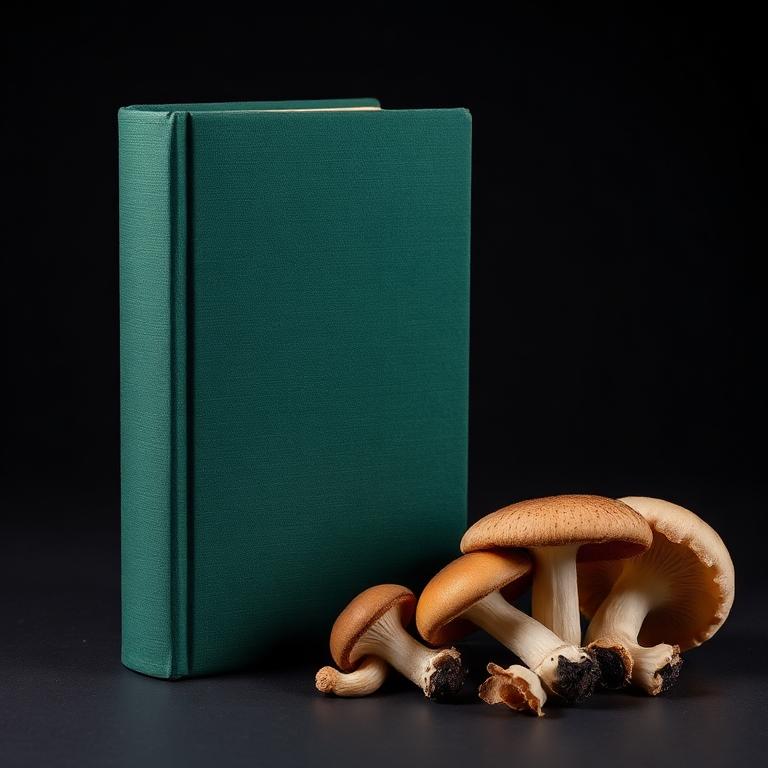
Regional Mushroom Field Guide
Buy the guide for your region, not a global one.
Buy the guide for your region, not a global one. Photos plus spore-print keys.
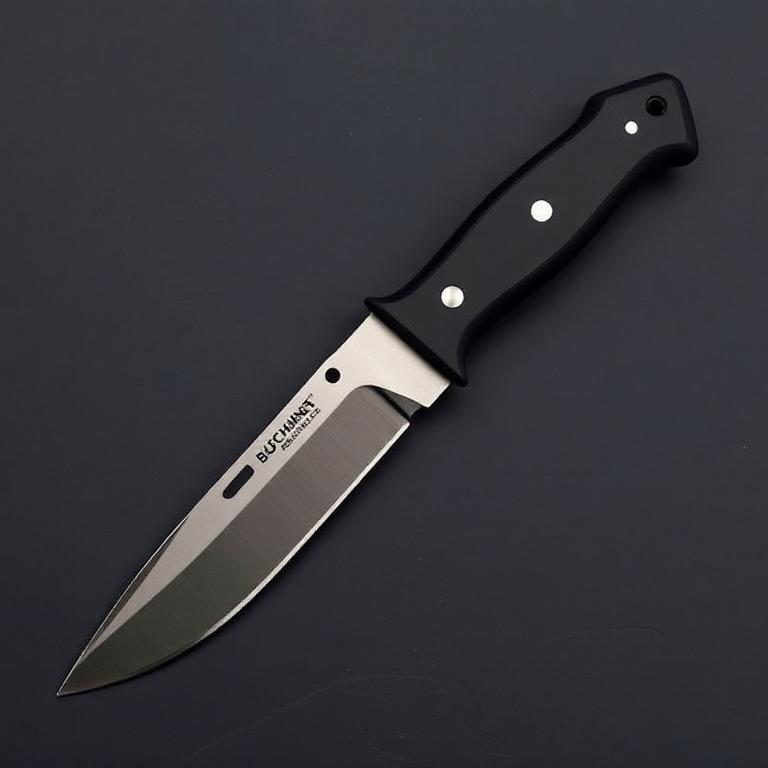
Morakniv Companion Heavy Duty
Morakniv
Cut mushrooms cleanly at the base.
The default bushcraft knife: Scandi grind, carbon steel, honest price. Check your local knife laws.
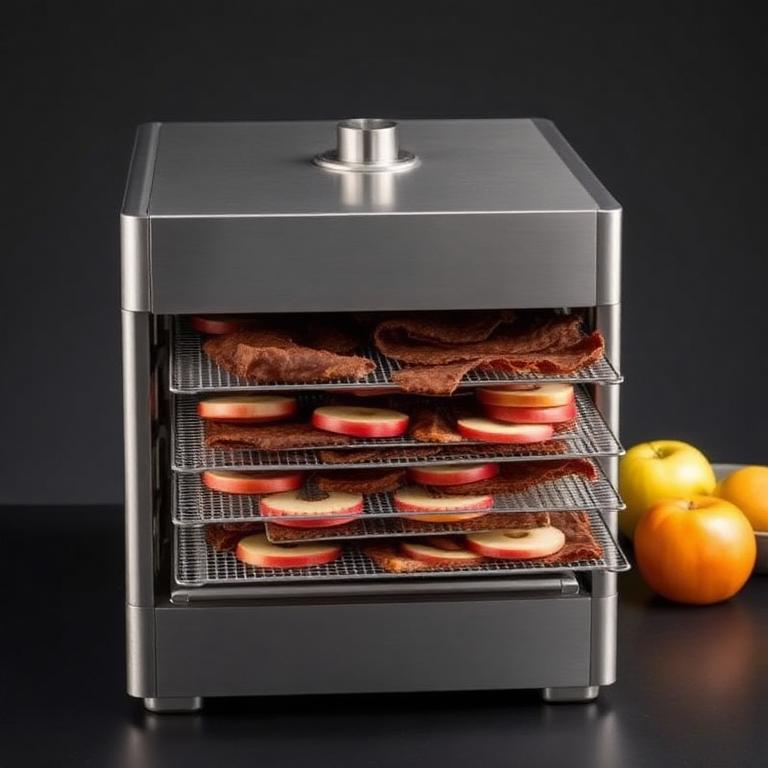
Food Dehydrator with Timer
Dry the confirmed harvest for storage.
Consistent low heat is what makes jerky and pemmican safe rather than risky.
Some links are affiliate links: if you buy through them we earn a small commission at no extra cost to you. We don't run product tests, and a commission never decides what a guide recommends.
Rate this hack
Be the first to rate this hack
Share your experience
Have you tried this hack? Share your experience, results, tips or suggestions with other readers.
Community experiences
Loading…