Six Wild Edibles Beginners Cannot Confuse
Six wild edibles with no dangerous lookalikes — dandelion, nettle, plantain, chickweed, blackberry and rosehip — how to identify, harvest and use them safely.
How it works, step by step
Dandelion
Dandelion — the whole plant, unmistakable flower. The jagged leaves, hollow milky stem and bright yellow flower head are distinctive at every stage; there's no toxic plant commonly confused with it. Leaves are best young and slightly bitter, flowers can be eaten raw or fried.
Start with plants that can't fool you
Most foraging injuries come from confusing a wanted plant with an unwanted one. These six sidestep that problem almost entirely — none of them has a genuinely dangerous lookalike in most regions, which makes them a sensible place to actually start rather than just read about foraging.
That said, "no dangerous lookalike" isn't the same as "no lookalike at all," and location changes everything. A regional field guide or an experienced local forager is still worth using the first few times, especially for anything you plan to harvest regularly.
Quick facts
The six and how to know them
- 01
Dandelion — the whole plant, unmistakable flower. The jagged leaves, hollow milky stem and bright yellow flower head are distinctive at every stage; there's no toxic plant commonly confused with it. Leaves are best young and slightly bitter, flowers can be eaten raw or fried.
- 02
Nettle — sting is the identifier. Stinging nettle announces itself the moment bare skin touches it, which removes any ambiguity. Wear gloves to harvest the top few leaf pairs; cooking or drying destroys the sting completely.
- 03
Plantain — ribbed leaves in a ground rosette. Broadleaf and narrowleaf plantain both grow low rosettes with parallel leaf veins running the length of the leaf, a pattern that's easy to learn and hard to mistake. Young leaves go in salads; older ones are better cooked.
- 04
Chickweed — check for the hairline. Chickweed has small white star-shaped flowers and a single line of fine hairs running up one side of the stem, switching sides at each leaf node — a genuinely diagnostic feature worth learning by touch. It's mild and salad-like raw.
- 05
Blackberry — thorny cane, familiar fruit. The compound leaves, arching thorny canes and instantly recognisable ripe fruit make this one of the safest wild foods there is; the main risk is scratches, not misidentification.
- 06
Rosehip — the fruit left after the flower. The swollen red-orange hip left behind once a wild rose's petals drop is distinctive in shape and colour; split it open, discard the irritating seed hairs, and use the flesh for tea or syrup.
Where and when to look
Dandelion and plantain turn up in lawns, verges and waste ground almost everywhere. Nettle prefers damp, nutrient-rich ground — old farmyards and hedgerows are reliable. Chickweed likes disturbed soil and can be found much of the year in milder climates. Blackberry and rosehip are late-summer to autumn harvests, from hedgerows and scrubby margins.
Harvesting sensibly
Take leaves from the upper, younger growth rather than stripping a whole plant — it keeps the plant producing and gives you better-tasting material anyway. Avoid anything growing right at ground level beside a busy road, near visible chemical spraying, or in a spot dogs regularly use. Wash everything before eating regardless of how clean the site looks.
What can go wrong even with easy plants
Confidence is the actual risk here, not the plants themselves. People who get comfortable with these six sometimes drift into picking similar-looking plants nearby without checking them properly — that's how mistakes creep in. Treat each of these six as its own specific plant, not a general licence to relax on identification elsewhere.
Common mistakes
Picking nettle without gloves and getting stung is harmless but avoidable. Eating chickweed or dandelion straight from a patch that's been treated with weedkiller is a real risk that has nothing to do with identification. And harvesting rosehip without removing the internal seed hairs leaves an unpleasant itchy texture in the throat.
If this goes well, foraging mushrooms without guessing explains why the next step up the difficulty ladder needs a much stricter method, and five fast wild food recipes puts several of these plants straight to use at camp.
Sources and further reading
USDA/NIFA plant and food resources (https://www.nifa.usda.gov/), ready.gov general preparedness guidance (https://www.ready.gov/).
Gear you need for this hack
Everything below does the job in this guide. Improvise where you can — buy where it matters.
The Forager's Harvest
Samuel Thayer
Plant-by-plant detail with no filler species.
Honest, deeply detailed plant-by-plant identification. No filler species.
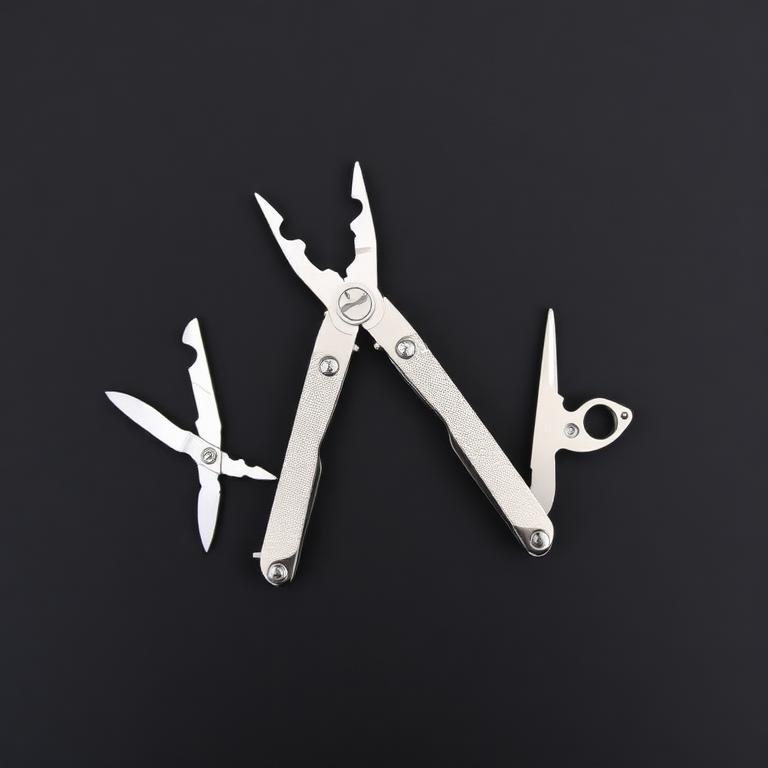
Leatherman Wave+ Multi-Tool
Leatherman
Scissors and knife for clean harvesting.
Pliers, saw, drivers and scissors in a pocket. The camp repair kit that is always on you.
Some links are affiliate links: if you buy through them we earn a small commission at no extra cost to you. We don't run product tests, and a commission never decides what a guide recommends.
Rate this hack
Be the first to rate this hack
Share your experience
Have you tried this hack? Share your experience, results, tips or suggestions with other readers.
Community experiences
Loading…