The Bucket Root Cellar
Build a bucket root cellar: how to bury a food-grade bucket to hold carrots, beets and potatoes at cellar temperature all winter without a basement.
How it works, step by step
Choose a well-drained spot away from
Choose a well-drained spot away from standing water. Low ground that puddles after rain will waterlog your stored vegetables; a slight slope or naturally well-draining soil works better.
Cold storage without a basement
A traditional root cellar works by using the ground's stable temperature — a metre or so down, soil stays a few degrees above freezing through most of a temperate winter, well below room temperature and well above freezing, which is close to ideal for root vegetables. A buried bucket copies that principle at a scale that suits a garden rather than a farm.
Quick facts
Setting it up
- 01
Choose a well-drained spot away from standing water. Low ground that puddles after rain will waterlog your stored vegetables; a slight slope or naturally well-draining soil works better.
- 02
Dig a hole deep enough that the bucket sits with its lid at or just below ground level. This puts your vegetables in the more stable soil temperature zone rather than near the surface, where temperature swings with the weather.
- 03
Line the base of the hole with a few centimetres of gravel or coarse sand. This stops the bucket base sitting in trapped water if rain gets past your surface cover.
- 04
Layer vegetables with dry straw, sand or leaves between them, not touching each other. Contact between vegetables spreads rot fast; a layer of dry insulating material between each one slows it right down.
- 05
Seal the lid and backfill soil around the bucket, leaving the lid accessible. Pack soil firmly around the sides for insulation but keep the lid clear enough to lift without excavating each time.
- 06
Cover the top with a tarp, board or mulch layer for extra insulation and to shed rain. This is what stops the ground immediately above the bucket freezing solid in hard winters.
Why it works
Soil is a poor conductor of heat, so a metre down the temperature lags weeks behind the air temperature above it and barely swings at all day to day. That gives root vegetables a cool, stable, dark environment close to the low single digits Celsius that slows sprouting and rot dramatically compared with a warm kitchen.
What stores well and what doesn't
Carrots, beets, turnips and potatoes store well this way for weeks to a few months, depending on climate and how well they were cured before storage. Leafy greens and most fruit don't suit this method at all — they need higher humidity or different temperatures and will rot or go limp long before root vegetables would.
When this isn't the right tool
In genuinely hard winters where the ground freezes deep, a shallow bucket cellar can freeze solid unless it's well insulated and below the frost line — check typical frost depth for your area before relying on it as your main storage. It's also not a substitute for proper canning or drying if you need to store food for many months rather than weeks.
Common mistakes
Burying the bucket too shallow, so it tracks air temperature almost as closely as a shed would. Packing vegetables in tight with no separation, which turns one rotting vegetable into a spoiled batch. And forgetting to check on stored food periodically — a cellar you never open is a cellar where problems go unnoticed.
If you're planning food storage as part of a wider setup, three-stage gravity water filtration and apartment water storage cover the water side of the same problem, and fat-sealed meat and pemmican basics is worth reading if you're storing protein alongside your vegetables.
Sources and further reading
USDA/NIFA food preservation resources (https://www.nifa.usda.gov/).
Gear you need for this hack
Everything below does the job in this guide. Improvise where you can — buy where it matters.
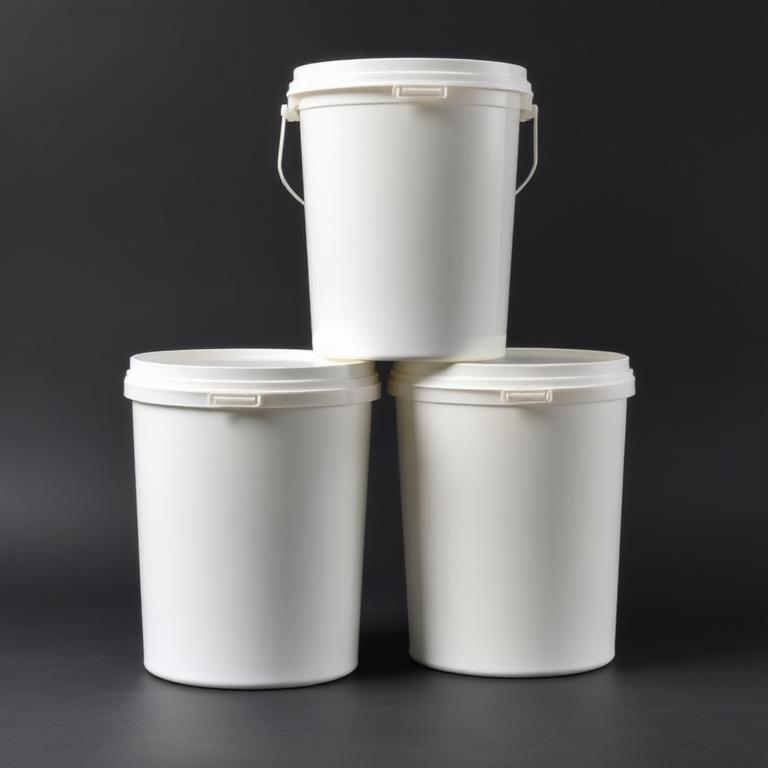
Food-Grade Buckets with Lids
The cellar itself.
20 litre food-safe buckets: the body of a gravity filter, a root cellar or a rain barrel.
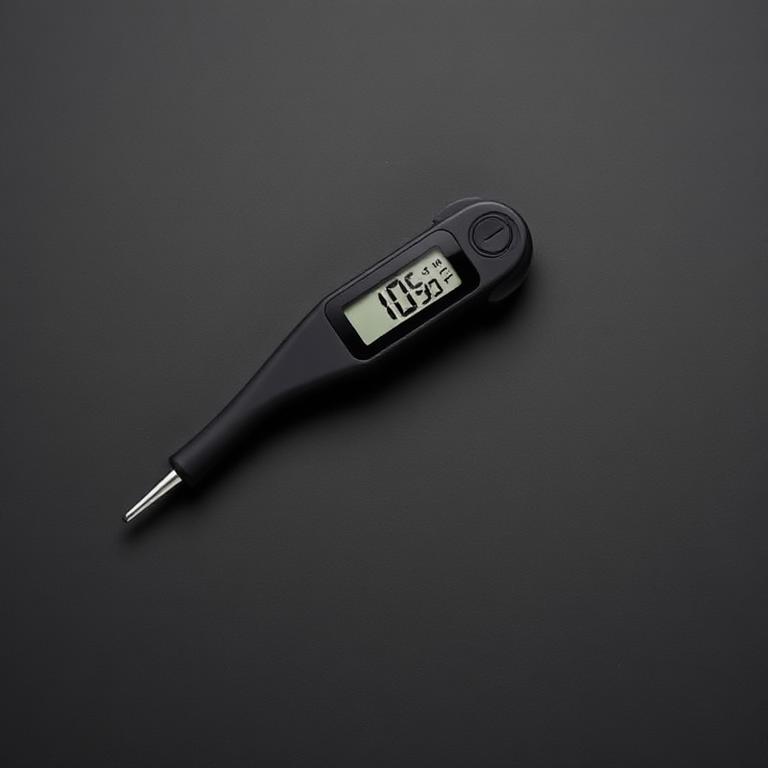
Instant-Read Thermometer
Check the storage temperature is actually cold enough.
Preserving without a thermometer is guessing. Guessing is how people get ill.
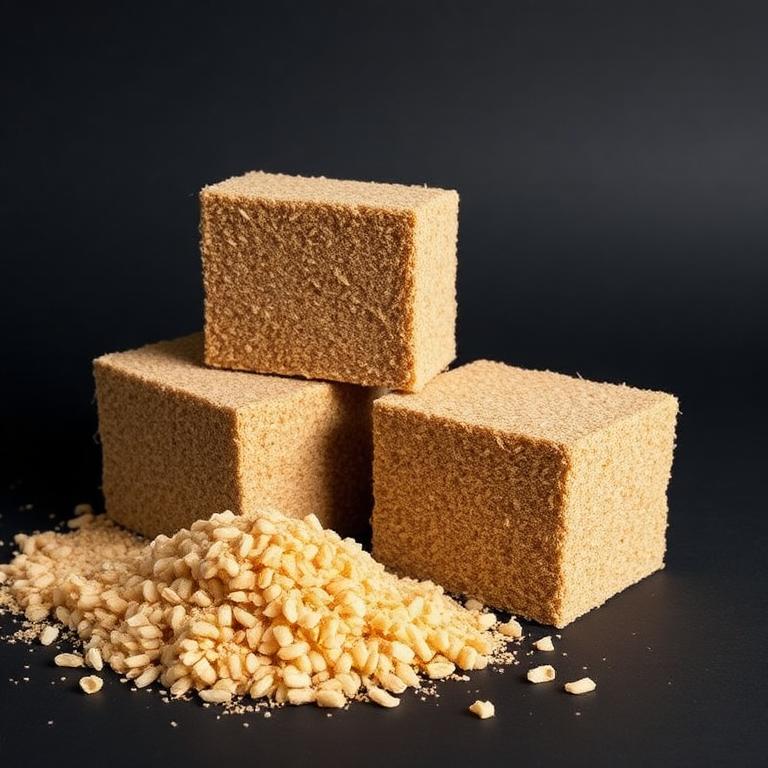
Coco Coir Bricks
Damp packing medium for roots.
The cover material that turns a bucket toilet into a composting toilet.
Some links are affiliate links: if you buy through them we earn a small commission at no extra cost to you. We don't run product tests, and a commission never decides what a guide recommends.
Rate this hack
Be the first to rate this hack
Share your experience
Have you tried this hack? Share your experience, results, tips or suggestions with other readers.
Community experiences
Loading…