
Storing Two Weeks of Water in a Small Apartment
How much water you actually need, where to fit it in a flat, how long it keeps and how to rotate it without turning your hallway into a warehouse.
How it works, step by step
Quick facts
Quick facts
Water is the first thing to go wrong in a flat when the mains supply is interrupted, and the last thing most tenants think to prepare for. There's no garden, no rain butt, no well — just taps that depend entirely on pumps somewhere else in the building or the street. Storing water properly in a small space is less about volume and more about container choice, rotation and knowing where your building's weak points are.
Quick facts
Why apartments fail differently to houses
A house on a private supply or with a header tank often has some buffer when the mains cut out. Most flats don't. Water is pushed up by a pump, and if that pump loses power or the building's stopcock gets shut for a repair, taps above the first floor or two can run dry within minutes rather than hours. There's rarely a loft tank to fall back on, and communal plumbing means a fault two floors down affects you too.
Setting up storage that actually gets used
- 01
Choose containers that fit your space. Stackable 10-20 litre food-grade jugs under a bed or in a cupboard beat one huge drum you can't lift or manoeuvre through a doorway.
- 01
Fill from the tap, not from a bottle you already trust. Tap water that meets local drinking water standards doesn't need treating before storage; just make sure the container itself is food-safe and was rinsed with a little diluted unscented bleach before first use.
- 01
Date every container. Write the fill date on with a marker. Rotate stored tap water roughly every six months even though it stays safe far longer, simply so it never sits forgotten.
- 01
Keep it cool, dark and off the floor slightly. Heat and direct light encourage algae and off-tastes even in sealed containers; a cupboard or wardrobe base works better than a balcony.
- 01
Split storage between drinking and flushing/washing. Keep a clearly separate stock — even old, less pristine containers — for topping up the toilet cistern or washing, so your best water isn't used on non-drinking jobs.
- 01
Fill the bath at the first sign of trouble. If you get any warning of a planned interruption, or notice pressure dropping, fill the bath and every spare container immediately — treat it as backup, not drinking stock, since baths aren't food-safe vessels.
How much is enough
A commonly used planning figure is about 3-4 litres of drinking water per person per day, plus more for cooking and basic hygiene. For a household of two, aiming to hold roughly 20-30 litres of dedicated drinking water covers a few days without turning a hallway into a warehouse. This is a guide, not a rule — bigger households or anyone with medical needs should scale up.
When stored water isn't enough
If an outage runs past a few days, or if you suspect contamination rather than simple pump failure — discoloured water, a boil notice, flooding nearby — stored tap water won't help with a contamination problem because it was already drawn before the issue was known. At that point you need reliable purification rather than more storage, and a written 72-hour emergency plan that covers what happens if the outage runs longer.
Mistakes worth avoiding
- Relying solely on bottled water bought once and never rotated, then finding half of it has been quietly used for other things
- Storing containers somewhere warm, like near a boiler or on a sunny windowsill
- Using old milk or juice containers, which are hard to fully clean and can taint the water
- Assuming a full bath is drinking water — it isn't, treat it as washing and flushing stock only
Common questions
Does stored tap water need purification tablets or filtering before drinking? Not if it came from a mains supply that was safe when you filled the container and the container itself was clean. Treatment matters when you're drawing from an unknown source later, not for water you already trusted.
Will plastic containers leach anything over time? Food-grade containers designed for water storage are fine for the kind of timescales involved here (months, with rotation). Avoid containers that previously held chemicals or that aren't rated food-safe.
Sources and further reading
- US CDC, making water safe in an emergency (https://www.cdc.gov/healthywater/emergency/making-water-safe.html)
- World Health Organization, drinking water (https://www.who.int/health-topics/drinking-water)
- Ready.gov, water storage guidance (https://www.ready.gov/)
Gear you need for this hack
Everything below does the job in this guide. Improvise where you can — buy where it matters.
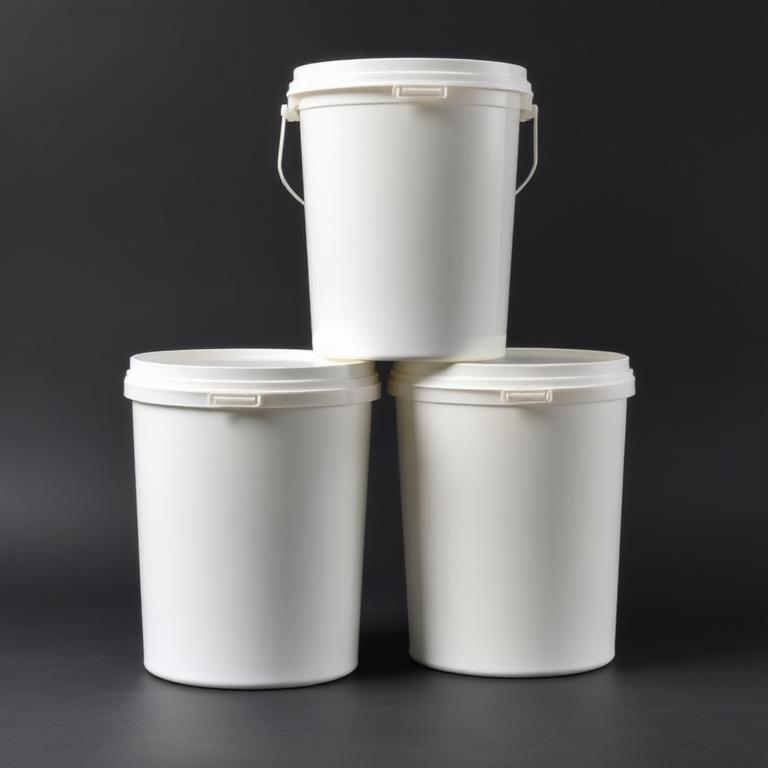
Food-Grade Buckets with Lids
Stackable, food-safe and easy to store under a bed or in a wardrobe.
20 litre food-safe buckets: the body of a gravity filter, a root cellar or a rain barrel.
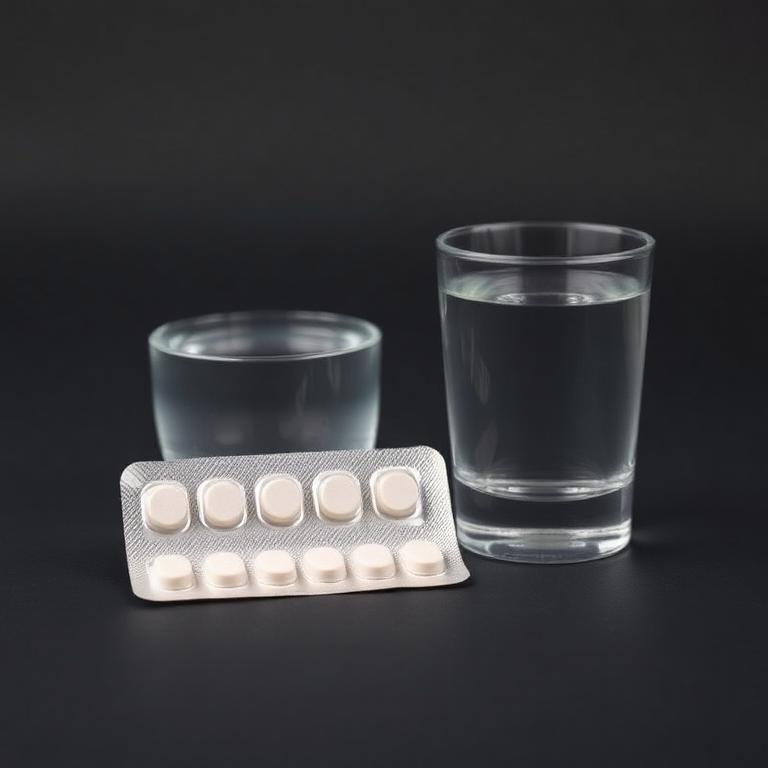
Aquatabs Purification Tablets
Aquatabs
Known-dose purification for water of uncertain quality.
Kills what a DIY filter cannot. Cheap, tiny, and the correct backup to any homemade setup.
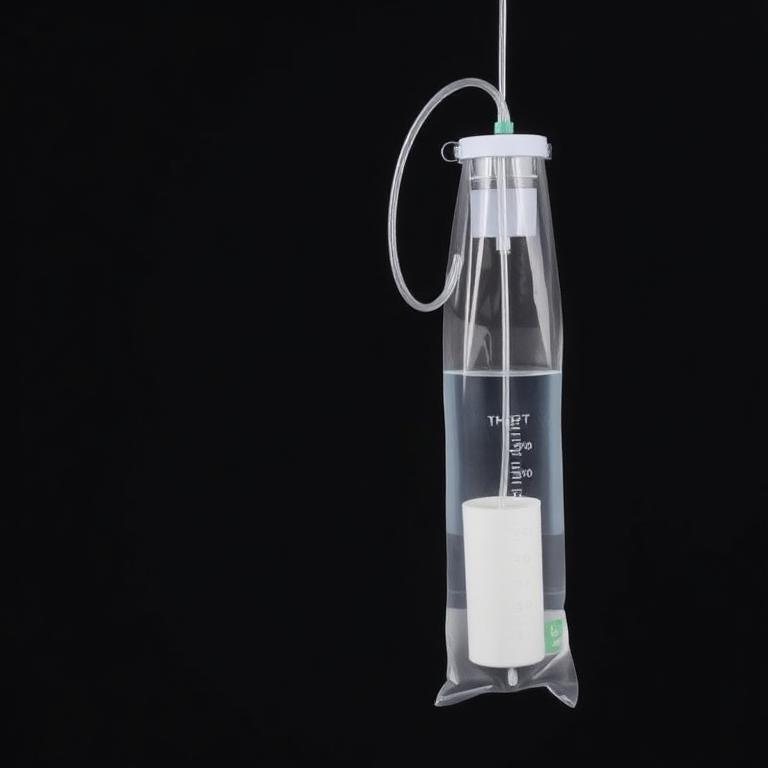
LifeStraw Gravity Bag Filter
LifeStraw
Filters larger volumes without pumping when your stored water runs out.
Hang-and-forget gravity filtration for a camp or family. No pumping.
Some links are affiliate links: if you buy through them we earn a small commission at no extra cost to you. We don't run product tests, and a commission never decides what a guide recommends.
Rate this hack
Be the first to rate this hack
Share your experience
Have you tried this hack? Share your experience, results, tips or suggestions with other readers.
Community experiences
Loading…
More City Hacks

The First Hour of a Blackout: A Room-by-Room Plan
A calm, room-by-room plan for the first hour of a power cut in an apartment: light, fridge discipline, water, heat and information — before the batteries run low.
8 min read
Cooking Indoors Safely When the Power Is Out
Which stoves are safe inside a flat, which will quietly poison you, and how to cook hot meals for days on a single gas canister.
7 min read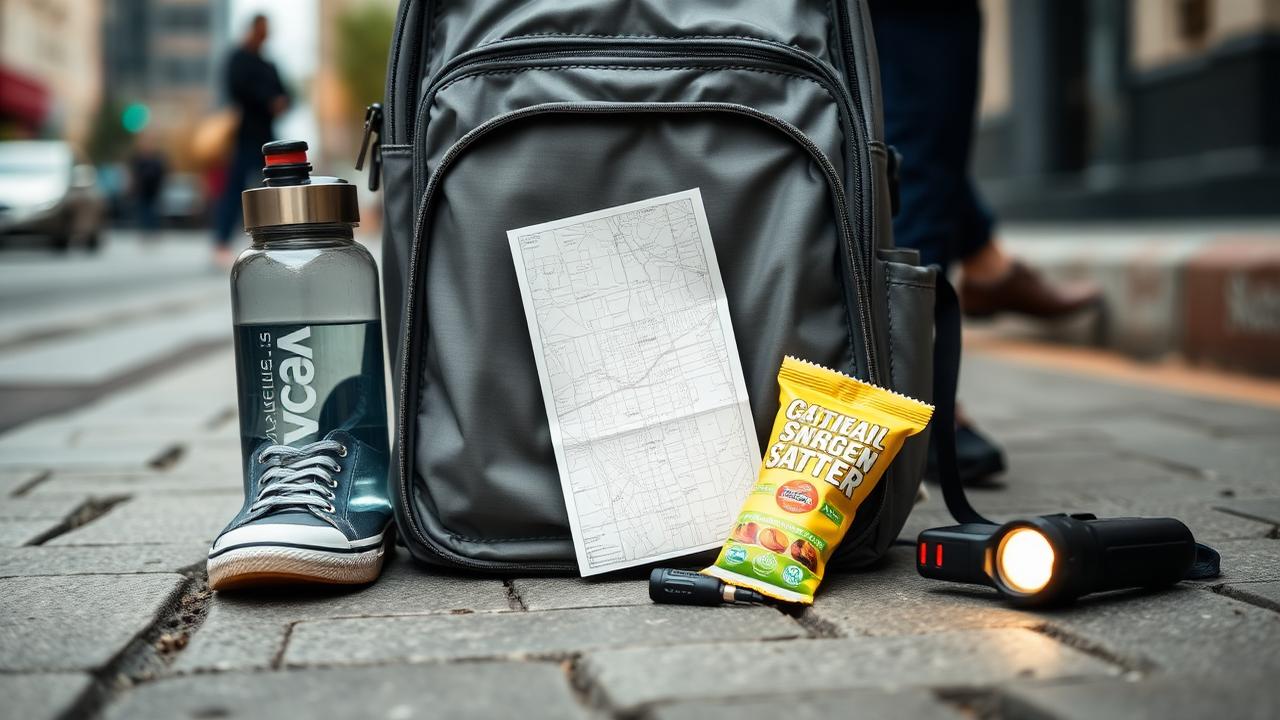
The Get-Home Bag for City Commuters
A small, unremarkable bag that gets you 15 to 20 km home on foot when transport stops — packed for pavement, not for the woods.
7 min read