
Ten Car-Camping Hacks That Pay for Themselves
Ten car-camping hacks that pay for themselves: sleep setup, power, water, organisation and the small vehicle changes that make camping faster and safer.
How it works, step by step
Small changes that make every future
Small changes that make every future trip smoother
Small changes that make every future trip smoother
Car camping rewards a handful of one-off changes far more than it rewards buying more gear. These ten habits and setups cost little or nothing beyond the first attempt, and each one saves either time, money or hassle on every trip after that.
Quick facts
The ten habits worth adopting
- 01
Build a permanent camp box that lives in the vehicle or garage. Pack it with the things you always forget — a lighter, a spork, a small tarp, a roll of tape — so packing for a trip becomes grabbing one box, not hunting through the house.
- 01
Fold the rear seats and test your actual sleeping length before you buy a mattress. Many people buy an inflatable mattress that doesn't fit their vehicle's specific dimensions; measuring first avoids an expensive mismatch.
- 01
Use a 12V cooler or a two-tier ice arrangement instead of one big cooler box. Keeping drinks separate from food that needs to stay cold longer means you're not digging through melted ice every time you want a drink.
- 01
Carry a dedicated water container, not just bottles. A 10-20 litre container with a tap saves repeated trips and makes washing hands or dishes far less fiddly; see apartment water storage for the same storage logic applied at home.
- 01
Pre-portion firewood or fuel into labelled bags before you leave. Damp, unsorted wood at the campsite wastes time; kindling, medium and large pieces bagged separately go straight to a fire, following the same prep logic as one-match fire in wet weather.
- 01
Fit a cheap power inverter or use a dedicated 12V powerbank rather than running devices off the car battery directly for long periods. Running accessories straight off the battery with the engine off can flatten it faster than expected; a separate battery pack avoids being stranded.
Organisation beats more gear
A labelled bin system — cooking, sleeping, tools, "leave in car" — turns a 20-minute unpacking scramble into a 5-minute job, and more importantly means you actually notice when something's missing before you leave, not after you arrive.
Power and lighting without draining the car
A small solar panel or powerbank handles phone charging and lighting for a weekend without touching the vehicle's electrics at all. If you're sizing one up, the arithmetic in sizing a 100W solar panel and battery applies just as well to a weekend trip as to emergency power. Never run a generator inside or near a tent, awning or vehicle interior — carbon monoxide from small generators has killed campers even in seemingly well-ventilated setups, and it produces no smell to warn you.
Water and washing-up that doesn't attract wildlife
Wash dishes away from the sleeping area and strain grey water before disposing of it well clear of any natural water source. Food smells and dishwater left near tents are one of the most common reasons campsites get unwanted animal visits overnight.
What actually pays for itself versus what doesn't
A decent cooler, a dedicated water container and a permanent camp box tend to earn their cost back in saved time and reduced last-minute purchases within two or three trips. Novelty gadgets — specialised gear that does one narrow job — rarely get used enough to justify the spend, and none of the hacks above require buying anything to start benefiting from better organisation alone.
Common mistakes
Packing fresh the night before every single trip is the single biggest time sink; a permanent camp box removes 80% of that repeated effort. The second is treating the car battery as a spare power source without a way to monitor it — a flat starter battery at a remote site is a genuinely bad start to a trip.
Common questions
Do I need a rooftop tent or drawer system to get these benefits? No — the camp box and bin system work in the boot of an ordinary car; roof tents and drawer systems are convenience upgrades, not requirements.
Is a 12V cooler worth it over ice? It depends on trip length — for weekend trips, ice in a good cooler is usually cheaper and simpler; for longer or repeated trips, a 12V cooler pays back its cost in convenience and not buying ice each time.
Gear you need for this hack
Everything below does the job in this guide. Improvise where you can — buy where it matters.
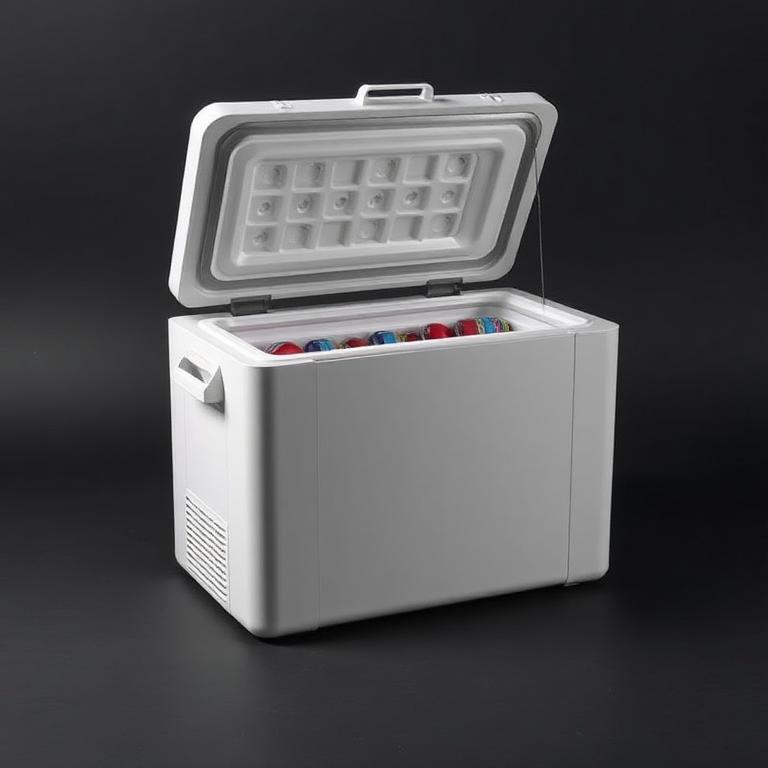
12V Portable Fridge/Freezer
Ends the ice run for good.
Ends the ice run. Runs off the car battery or your solar setup.
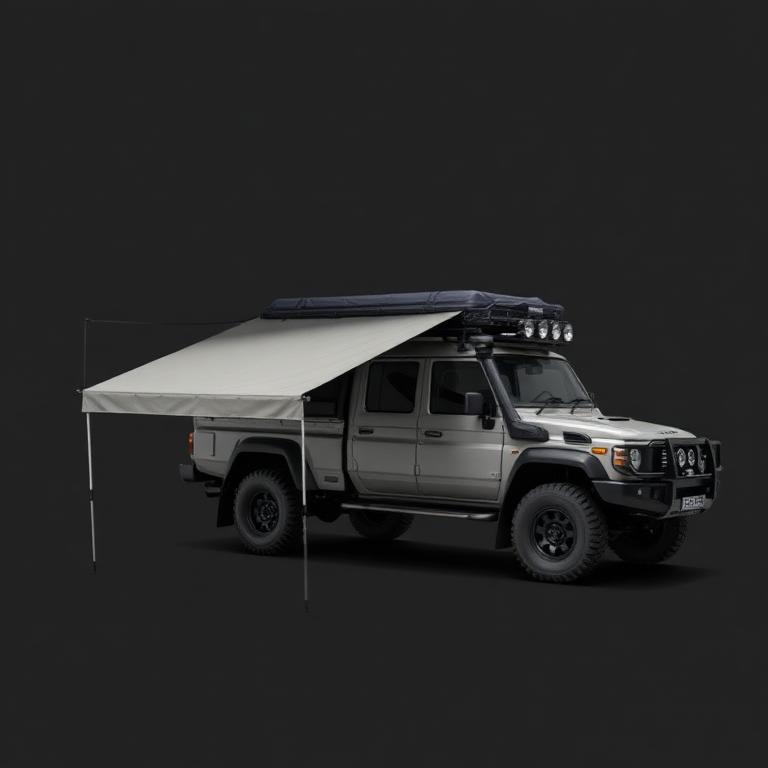
Vehicle Side Awning
Thirty seconds to a dry camp kitchen.
Thirty seconds of setup gives you a dry kitchen next to the car.
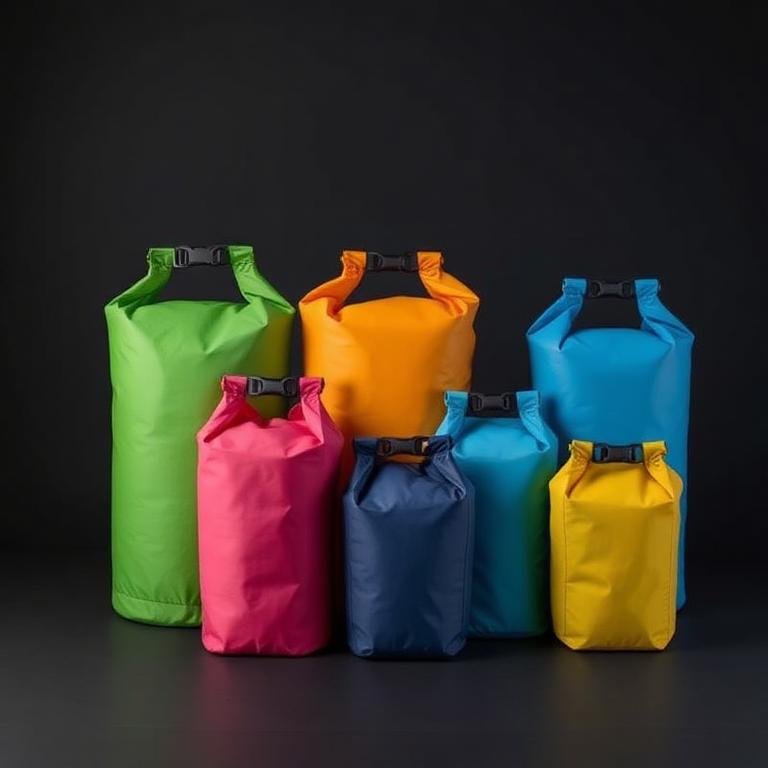
Dry Bag Set
Keeps kit sorted and dry in the boot.
Keeps sleeping bag, spare clothes and electronics dry when the pack is not.
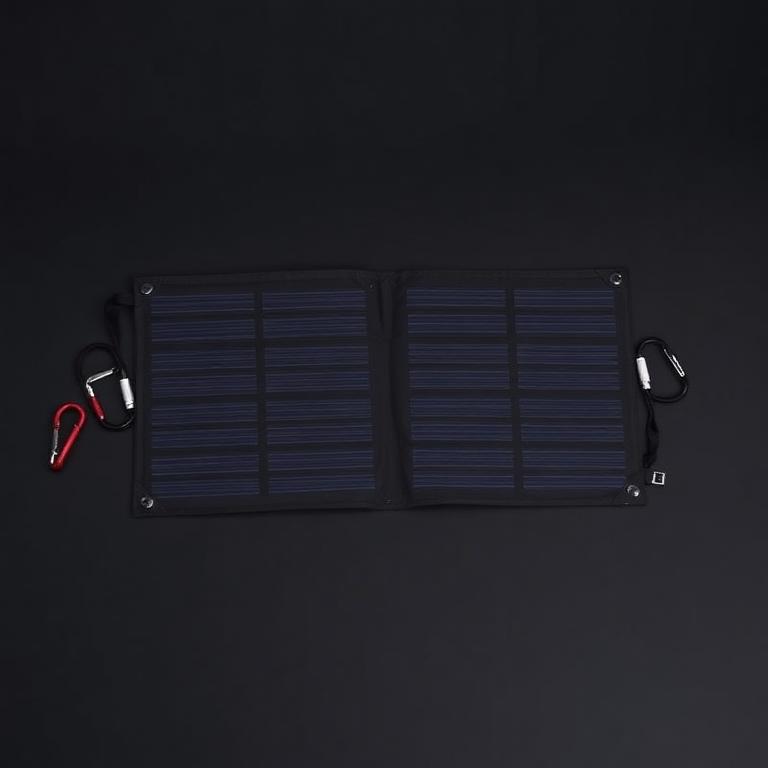
28W Folding Solar Charger
BigBlue
Keeps devices topped up away from the alternator.
Straps to a pack and refills a powerbank in a day of sun. USB only, no controller needed.
Some links are affiliate links: if you buy through them we earn a small commission at no extra cost to you. We don't run product tests, and a commission never decides what a guide recommends.
Rate this hack
Be the first to rate this hack
Share your experience
Have you tried this hack? Share your experience, results, tips or suggestions with other readers.
Community experiences
Loading…