One-Match Fire in Wet Weather
How to light a one-match fire in the rain: where to find dry wood after days of rain, how to build a feather-stick tinder bundle and keep the flame alive.
How it works, step by step
Find standing dead branches
Find standing dead branches, not ground wood. Anything lying on the forest floor has been soaking up moisture from the earth for days; dead branches still attached to a tree, especially on the underside of a dense canopy, are drier all the way through.
The problem wet weather actually creates
Rain doesn't just make wood wet on the outside — sustained rain soaks standing deadwood right through, and that's the wood most people reach for first. A one-match fire in those conditions depends less on the match and more on finding wood that was never as wet as it looked, and on building a structure that lets a small flame grow before it's smothered by its own smoke and steam.
Quick facts
Building it step by step
- 01
Find standing dead branches, not ground wood. Anything lying on the forest floor has been soaking up moisture from the earth for days; dead branches still attached to a tree, especially on the underside of a dense canopy, are drier all the way through.
- 02
Snap-test everything before you commit to it. Dry wood snaps with a clean crack; wet or rotten wood bends or crumbles. Do this before carrying it back, not after.
- 03
Make a feather stick from the driest piece. Shave thin curls down the length of a stick without cutting them off, leaving them attached in a cluster — this exposes dry inner wood in a shape that catches easily even when the stick's surface is damp.
- 04
Build a loose tinder bundle from the finest shavings and any dry tinder you're carrying. Dry tinder carried in a pocket or waterproof bag is worth more than anything you'll find in the rain, so use it if you have it.
- 05
Stack kindling in a small tepee over the tinder, driest and thinnest pieces closest in. Leave gaps for air rather than packing tightly — fire needs oxygen more than it needs fuel at this stage.
- 06
Shield the strike and the first flame from direct rain, then feed gradually. Use your body, a jacket or an overhang for the few seconds it takes to get the tinder bundle burning, then add kindling a little at a time rather than dumping wood on and smothering it.
Why standing deadwood works when ground wood doesn't
Wood on the ground sits in contact with damp soil and leaf litter, and capillary action pulls moisture up through it continuously. A dead branch still attached above ground level, especially under thick cover, sheds rainwater off its surface rather than absorbing it, so the surface might be wet but the core stays workable — which is exactly what a feather stick exposes.
Common mistakes
Batoning into wet ground wood and assuming the dry centre will be dry enough — often it isn't, because ground wood is wet through, not just on the surface. Building the kindling tepee too dense, which blocks the airflow a small flame needs. And piling on thick fuel too early, which cools the young flame faster than it can dry and ignite the new wood.
When this genuinely isn't worth attempting
In sustained heavy rain with no tree cover and no dry tinder carried in, a one-match fire is a real long shot, and time is often better spent on shelter and insulation instead — see emergency debris hut or a tarp shelter configuration that keeps you dry enough that fire becomes a comfort rather than a survival necessity.
Tom's Quick Take
Tom Woods is our fictional editorial guide — this is the editor's summary in character, not a real person's account.
Tom Woods' take: the difference between a struck match and a lit fire in the rain is almost entirely in the ten minutes of gathering beforehand — spend that time properly and the match itself barely matters.
Sources and further reading
Ready.gov cold weather and outdoor safety guidance (https://www.ready.gov/), NFPA fire safety resources (https://www.nfpa.org/).
Gear you need for this hack
Everything below does the job in this guide. Improvise where you can — buy where it matters.
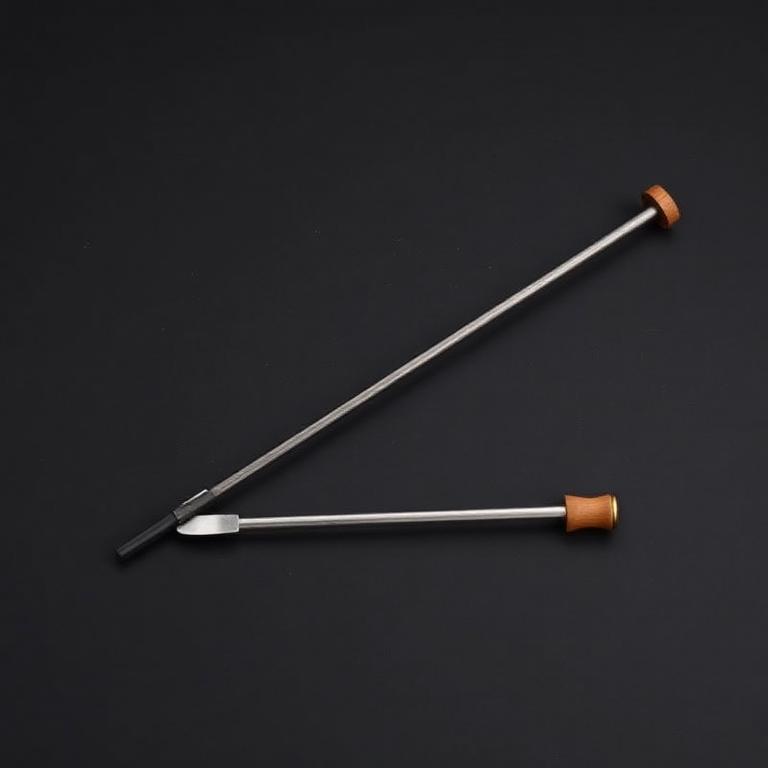
Ferrocerium Rod with Striker
Backup ignition when the last match is gone.
Works soaked, frozen and windy. The one fire tool that does not run out or leak.
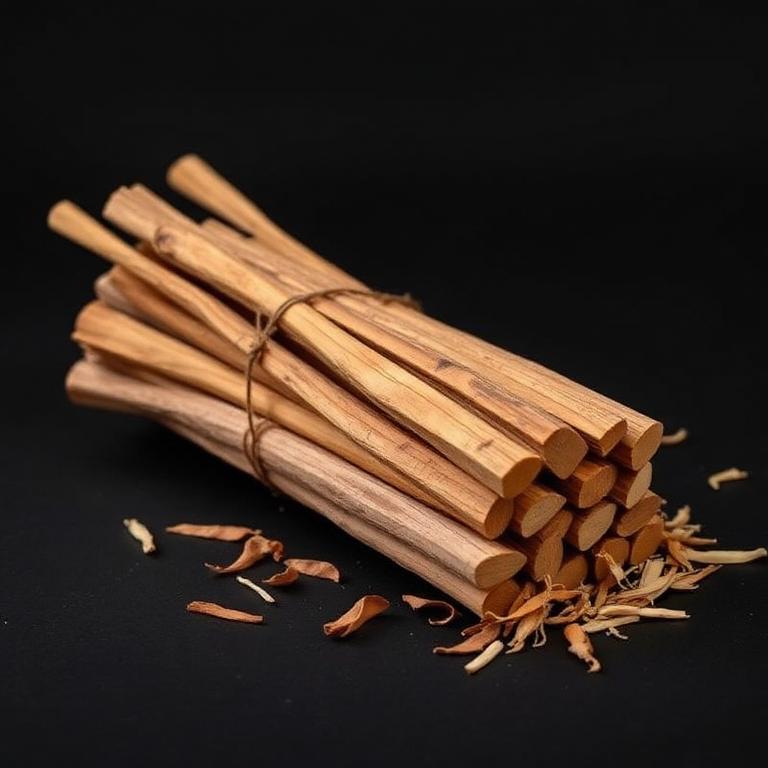
Fatwood Fire Starter Sticks
Lights soaked; this is what makes one match enough.
Resin-soaked pine that lights wet. Shave a pile and a single match becomes enough.
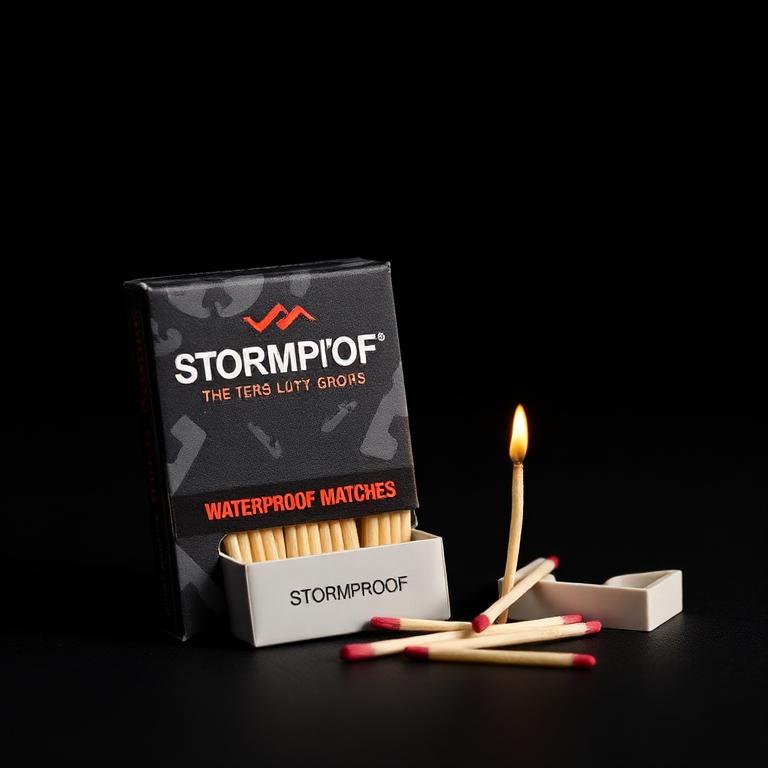
Stormproof Matches
UCO
The match that survives wind and rain.
Relight after being dunked and burn in wind. Carry them in the waterproof case.
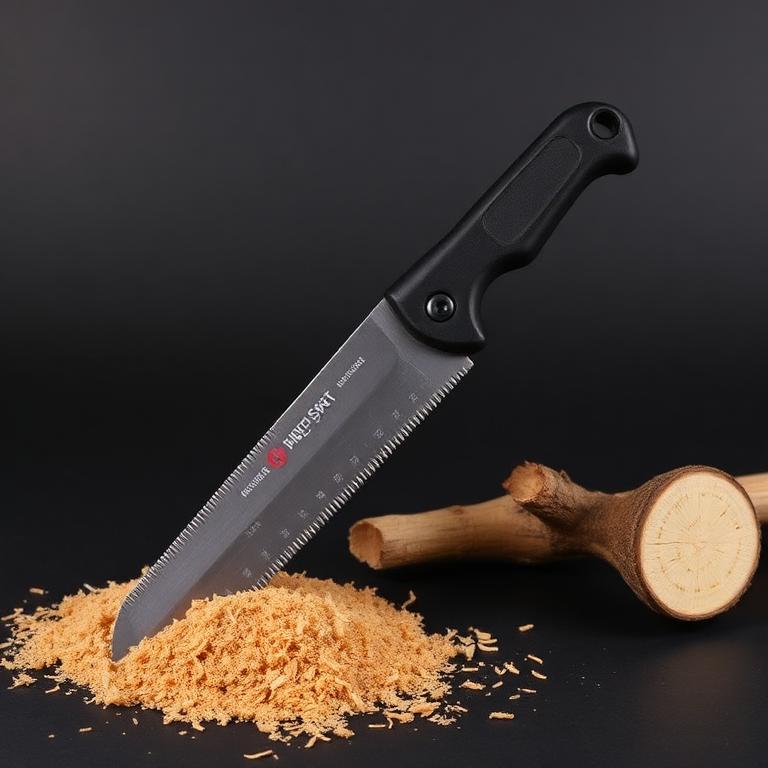
Silky PocketBoy Folding Saw
Silky
Gets you to dry inner wood fast.
Cuts firewood faster and safer than batoning. Pairs with any fixed-blade knife.
Some links are affiliate links: if you buy through them we earn a small commission at no extra cost to you. We don't run product tests, and a commission never decides what a guide recommends.
Rate this hack
Be the first to rate this hack
Share your experience
Have you tried this hack? Share your experience, results, tips or suggestions with other readers.
Community experiences
Loading…
More Fire & Cooking
Five Fast Wild Food Recipes You Can Cook Anywhere
Five fast wild food recipes for camp: nettle soup, pan trout, dandelion salad, wild mushroom fry and bannock — each under 20 minutes with one pot and one knife.
8 min read
Build a Tin-Can Rocket Stove in 20 Minutes
Build a tin-can rocket stove in 20 minutes: a fuel-efficient DIY camp stove that boils a litre of water on a handful of twigs, with cutting and airflow details.
7 min read