
A First-Aid Kit That Handles Real Injuries
Skip the box of plasters. What actually belongs in a kit for bleeding, burns, sprains and the days when a doctor is not coming.
How it works, step by step
This is not a substitute
This is not a substitute for training
This is not a substitute for training
Before anything else: a well-stocked first-aid kit is only as useful as the knowledge behind it. This article covers what to keep in a kit and roughly why, but it is not medical training, and reading it does not qualify anyone to treat serious injuries. A certified first-aid course — through the Red Cross or a national equivalent — teaches the judgement and hands-on skill that no article can. If you take one thing from this piece, take that.
Quick facts
Why the supermarket box falls short
Most off-the-shelf kits are built around minor cuts and grazes — small plasters, a few wipes, maybe a bandage. They rarely include what's needed for the injuries that actually matter in a genuine emergency: significant bleeding, burns, sprains and situations where professional help is delayed by hours rather than minutes. A kit built for "real injuries" looks different, and costs a bit more, than the £5 box from a chemist.
What belongs in a serious kit
- 01
Bleeding control first. A supply of gauze, a compression bandage, and ideally a commercial tourniquet if you've been trained to use one. Uncontrolled bleeding is one of the few things in first aid where minutes genuinely decide outcomes.
- 01
Burn care. Sterile non-stick dressings and cling film (genuinely useful as a clean, non-stick burn covering) rather than butter, ice or home remedies, which can worsen burns.
- 01
Sprain and fracture support. An elastic bandage, a splint or rigid material to improvise one, and tape — for support and immobilisation, not for setting anything.
- 01
Medication basics. Pain relief, antihistamines, any personal prescriptions, and oral rehydration salts, all clearly labelled with expiry dates checked regularly.
- 01
Protective and tool items. Nitrile gloves, a CPR face shield, fine tweezers, blunt-tip scissors, and a digital thermometer.
- 01
Documentation. A card with emergency contacts, any household allergies or conditions, and basic written first-aid steps as a memory aid — never a substitute for actual training.
Why proportion matters more than volume
A kit stuffed with forty plasters and nothing for serious bleeding gets the priorities backwards. In genuine emergencies — falls, cuts from tools, burns from cooking without power — the injuries that matter are usually bleeding, burns and sprains, not paper cuts. Build the kit around what's statistically likely to happen around your home and outdoor activities, not around what looks impressive in a photo.
Common mistakes
Buying a kit once and never checking expiry dates on medication and sterile dressings. Storing it somewhere hard to reach quickly, such as the back of a high cupboard. Assuming owning the kit is the same as knowing how to use it — the two are not related, and using unfamiliar equipment badly under stress can do real harm. Skipping training because "it's just plasters and bandages," when the kit is actually built around bleeding control and burns, which require real technique.
When professional help is genuinely delayed
In a power outage, storm or remote location, "the days when a doctor is not coming" means treating first aid as stabilisation, not cure. Clean the wound, control the bleeding, immobilise the injury, monitor for worsening signs, and get the person to proper care as soon as it's possible to travel — improvisation is a bridge, not a replacement for a hospital or clinic.
Alternatives when the kit is incomplete
Clean cloth can stand in for gauze in a genuine pinch, and a rolled magazine or straight stick can improvise a splint. These are stopgaps, not equivalents — replace improvised items with proper supplies as soon as you can.
What a kit cannot do
No kit, however well stocked, replaces trained judgement about when an injury needs professional care rather than home treatment, and none of this is a substitute for calling emergency services when the situation calls for it.
Common questions
How often should I check the kit? Every six months — check expiry dates, replace used items, and confirm nothing has degraded from heat or damp.
Is a course really necessary if I've read guides like this? Yes. Hands-on practice under supervision — feeling how much pressure a wound actually needs, practising bandaging on a real limb — cannot be replicated by reading.
Sources and further reading
Gear you need for this hack
Everything below does the job in this guide. Improvise where you can — buy where it matters.
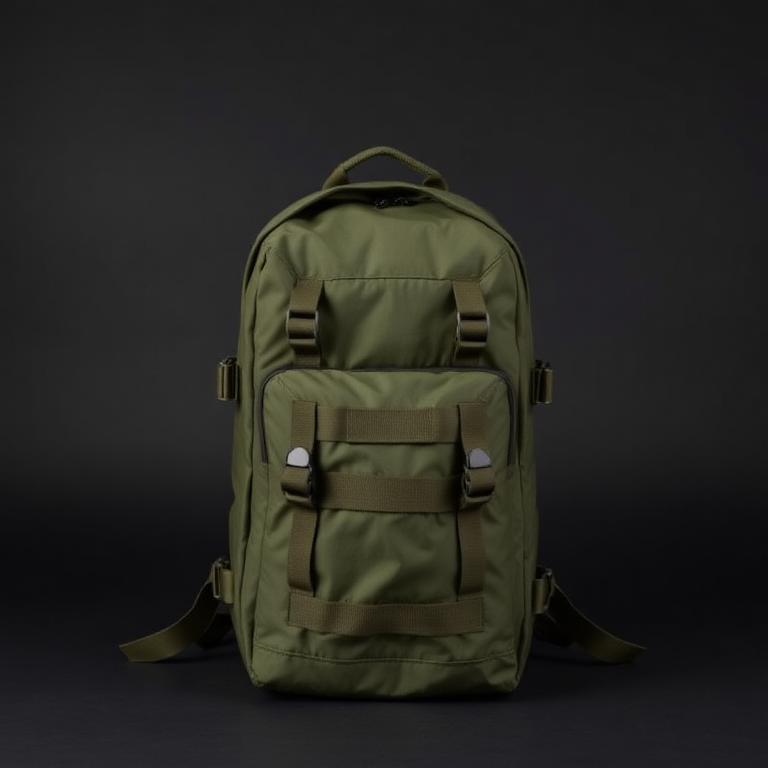
30L Bug-Out Daypack
Keeps a serious kit organised and grab-ready.
The right size for a 72-hour bag. Bigger packs just tempt you to overload.
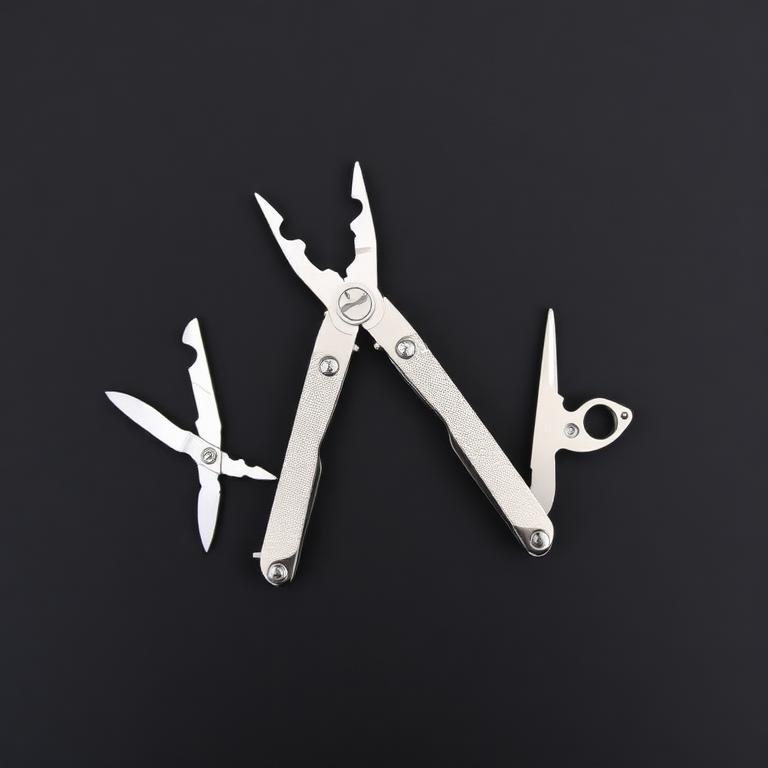
Leatherman Wave+ Multi-Tool
Leatherman
Scissors, tweezers and pliers when the kit's tools fall short.
Pliers, saw, drivers and scissors in a pocket. The camp repair kit that is always on you.
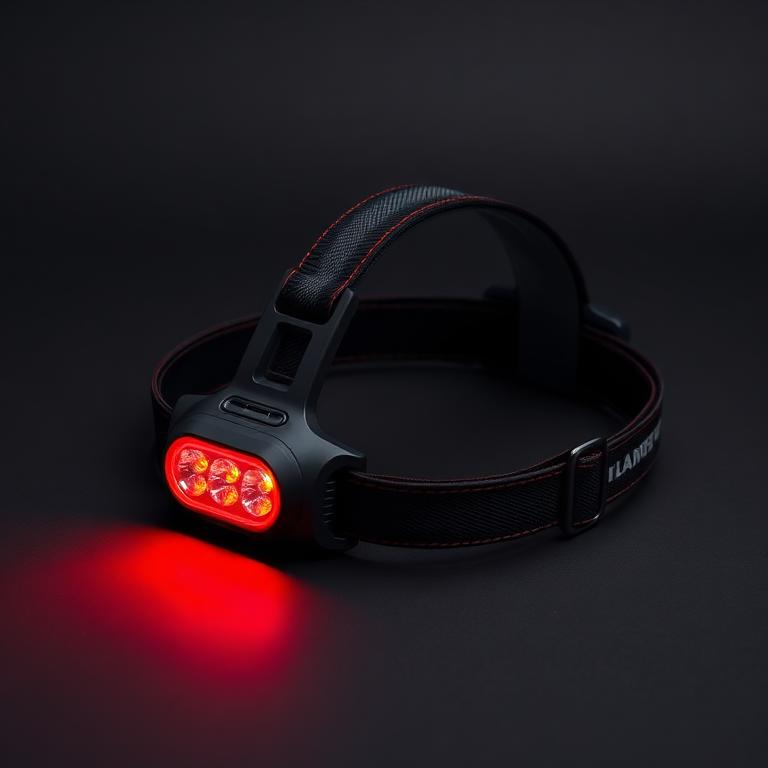
Rechargeable Headlamp
Petzl
Treating an injury needs light on the wound and both hands free.
Hands-free light with a red mode that keeps your night vision.
Some links are affiliate links: if you buy through them we earn a small commission at no extra cost to you. We don't run product tests, and a commission never decides what a guide recommends.
Rate this hack
Be the first to rate this hack
Share your experience
Have you tried this hack? Share your experience, results, tips or suggestions with other readers.
Community experiences
Loading…
More Emergency
Building a 72-Hour Emergency Plan Your Family Will Actually Use
A one-page plan covering meeting points, contacts, roles and supplies — the boring document that makes every other preparation work.
8 min read
Staying in Contact When Networks Fail
Radio, SMS, out-of-area contacts and low-tech signals — a layered plan for staying in touch when the mobile network is congested or gone.
7 min read
Evacuating in 15 Minutes: The Grab List
A printed, prioritised list that gets your family, documents, medication and pets out of the door without a single decision made in panic.
7 min read