
Evacuating in 15 Minutes: The Grab List
A printed, prioritised list that gets your family, documents, medication and pets out of the door without a single decision made in panic.
How it works, step by step
Fifteen minutes is a target
Fifteen minutes is a target, not a promise
Fifteen minutes is a target, not a promise
If you're told to leave now — wildfire, gas leak, flood, chemical spill — fifteen minutes is a realistic window for getting a household out with the essentials, but only if the decisions have already been made in advance. This is a grab list, built so that under real adrenaline nobody has to think, only act.
Quick facts
When you actually have fifteen minutes
This applies to fast-onset local emergencies — a gas leak, a fire nearby, a flash flood warning, a chemical incident. It does not apply to a slower evacuation with hours of notice (a forecast hurricane, a rising river over days), where you have time to do more, or to a no-notice event where you may have seconds rather than minutes and the priority is simply leaving the building.
Priority order for the fifteen minutes
- 01
Get people and pets moving first. Nobody searches for anything until every person and animal is accounted for and heading to the exit.
- 01
Grab the documents folder. ID, insurance papers, a card with emergency contacts and medical information — kept pre-packed in one folder near the door, never assembled from scratch during the emergency.
- 01
Take medication and essential medical equipment. Anything that can't be replaced same-day: prescriptions, inhalers, glasses, mobility aids.
- 01
Grab phones and chargers. Already near the door if possible, not upstairs or in another room.
- 01
Take the pre-packed evacuation bag. One bag per person or per household, already containing water, a torch, a change of clothes and basic supplies, so nobody is choosing items under pressure.
- 01
Leave by the agreed route, to the agreed meeting point. Don't improvise a new route or destination in the moment — use what the household already agreed on.
Why this order, not another
People and animals come first because they're irreplaceable and time-sensitive in a way possessions never are. Documents come next because replacing lost ID and insurance paperwork afterward is a genuine, lasting hardship, not just an inconvenience. Everything after that is about reducing suffering in the following hours and days, which is exactly what the bag is for — see what belongs in a 72-hour bag for what should already be packed inside it.
Common mistakes
Trying to decide what to pack during the emergency itself — every minute spent thinking is a minute not spent leaving. Storing the documents folder somewhere that also needs power or a working computer to access, such as only as scanned files on a desktop. Forgetting car keys, house keys or a phone charger because they weren't part of a fixed "by the door" spot. Going back inside once you're out — this is the leading cause of injury and death in fast-moving fire and flood evacuations, and no possession is worth that risk.
Preparing so the list actually works
Put the documents folder, evacuation bags, keys and chargers in one place — a shelf by the main exit — and never move them elsewhere for convenience. Print the checklist itself and stick it near that shelf, since a mental list degrades fast under stress but a laminated card doesn't. Practice the walk-through once, at a calm moment, timing how long it genuinely takes with your household.
Alternatives when the pre-packed bag isn't ready
If you haven't built a full evacuation bag yet, the fifteen-minute priority still holds: people, documents, medication, phone, then whatever practical items are closest to hand — shoes, a coat, a bottle of water. An incomplete grab beats a complete list you never had time to gather.
What this checklist cannot do
It can't replace an actual evacuation route plan for your specific hazard (check local flood, fire or chemical incident guidance for your area), and it assumes the bags and folder were prepared beforehand — an unpacked bag turns fifteen minutes into an hour. Pair it with your 72-hour emergency plan for the meeting-point and contact side of things.
Common questions
Should the bag include cash? A small amount is sensible — card payment systems can fail during power outages or network congestion.
What about pets that hide when stressed? Practice getting them into a carrier calmly beforehand; trying to catch a frightened cat for the first time during an actual evacuation costs minutes you don't have.
Sources and further reading
Ready.gov evacuation guidance NFPA emergency evacuation planning
Gear you need for this hack
Everything below does the job in this guide. Improvise where you can — buy where it matters.
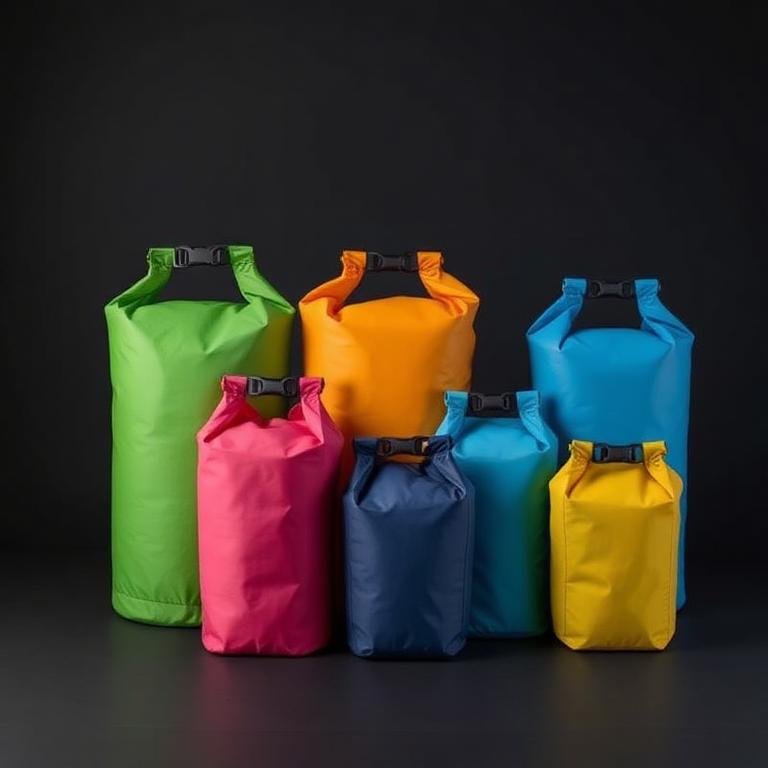
Dry Bag Set
Keeps documents, electronics and spare clothes dry in a hurried exit.
Keeps sleeping bag, spare clothes and electronics dry when the pack is not.
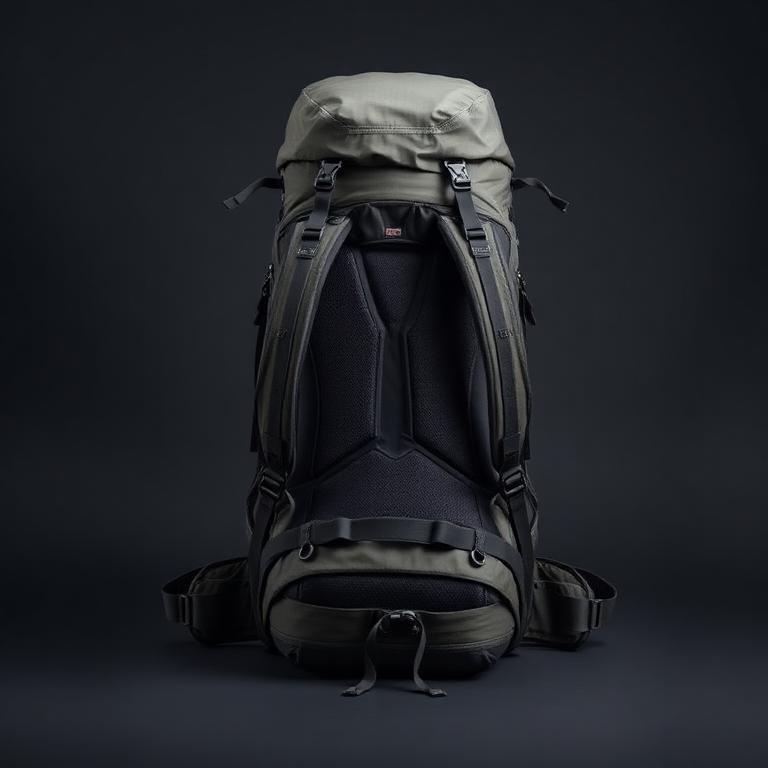
65L Trekking Backpack
Osprey
One packed bag per person, stored by the door.
Load-carrying hip belt and a frame that transfers weight to your legs, not your shoulders.
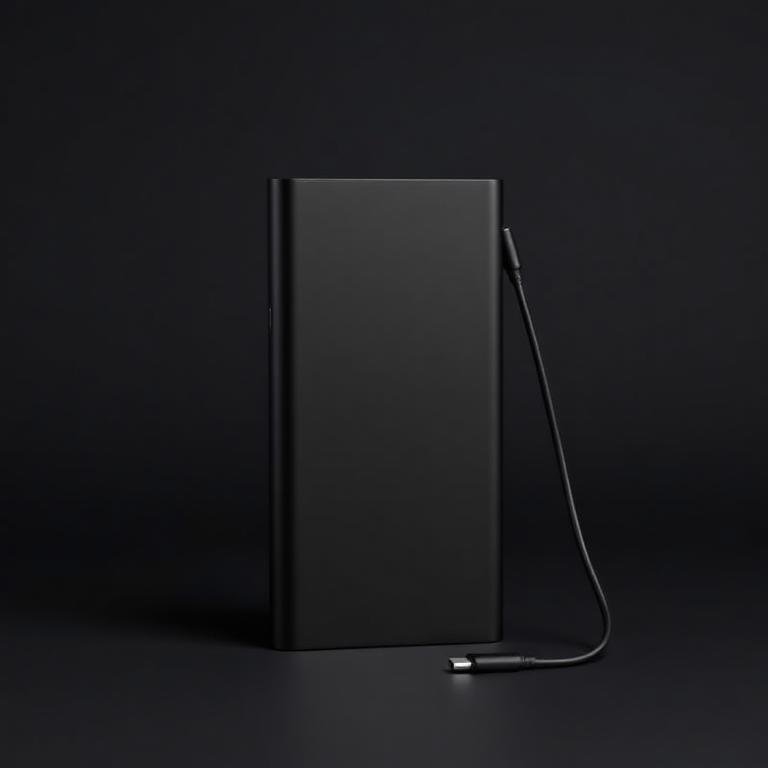
Anker 20,000mAh Powerbank
Anker
Living out of a bag means no wall socket for a while.
Enough for a week of phone and headlamp charging. Keep it warm in winter.
Some links are affiliate links: if you buy through them we earn a small commission at no extra cost to you. We don't run product tests, and a commission never decides what a guide recommends.
Rate this hack
Be the first to rate this hack
Share your experience
Have you tried this hack? Share your experience, results, tips or suggestions with other readers.
Community experiences
Loading…
More Emergency
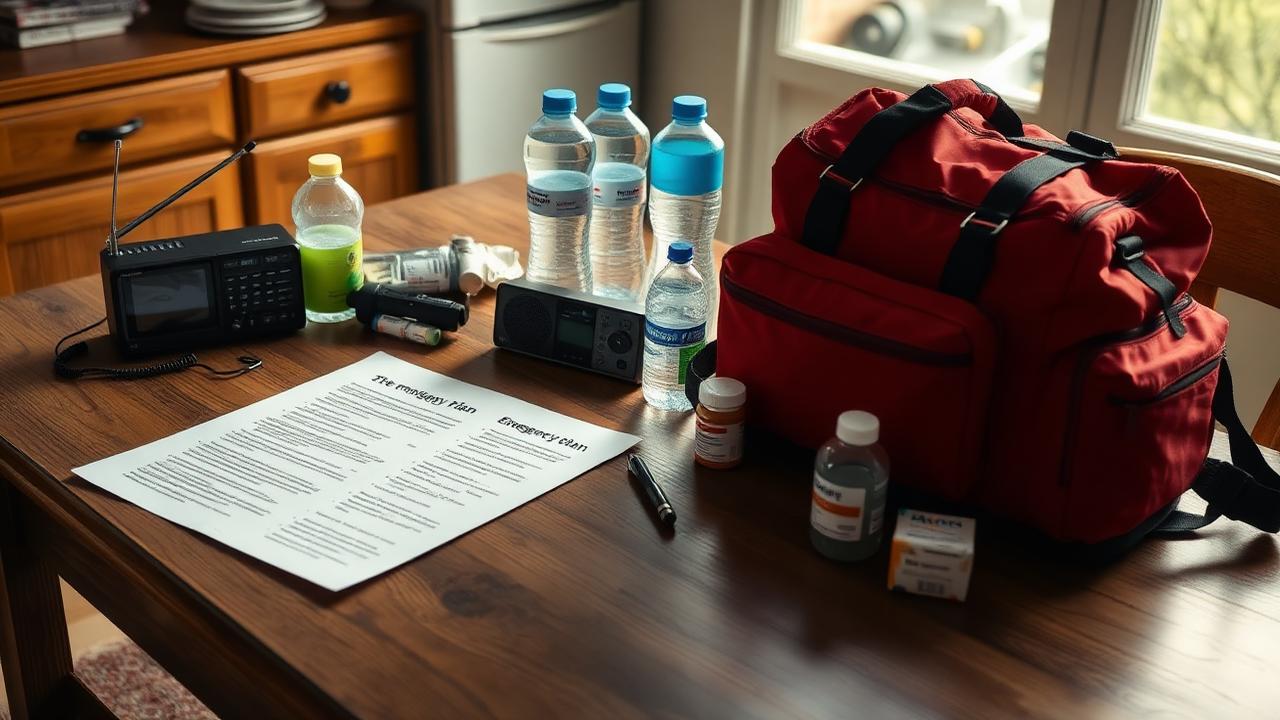
Building a 72-Hour Emergency Plan Your Family Will Actually Use
A one-page plan covering meeting points, contacts, roles and supplies — the boring document that makes every other preparation work.
8 min read
Staying in Contact When Networks Fail
Radio, SMS, out-of-area contacts and low-tech signals — a layered plan for staying in touch when the mobile network is congested or gone.
7 min read
A First-Aid Kit That Handles Real Injuries
Skip the box of plasters. What actually belongs in a kit for bleeding, burns, sprains and the days when a doctor is not coming.
8 min read