Staying in Contact When Networks Fail
Radio, SMS, out-of-area contacts and low-tech signals — a layered plan for staying in touch when the mobile network is congested or gone.
How it works, step by step
The mobile network is the first
The mobile network is the first thing to fail
The mobile network is the first thing to fail
During floods, storms, wildfires and major power cuts, the mobile network is often the first piece of infrastructure to go — not because masts are destroyed, but because everyone in the area tries to call at once and the system congests. Landlines and internet-based calling can fail for the same reason, or because backup batteries at local exchanges run flat after a day or two without mains power. A comms plan means having more than one way to reach people, and knowing which method to try first.
Quick facts
Layer one: text before voice
SMS and messaging apps use far less network capacity than voice calls and often get through when calls won't connect. If you can't reach someone by phone, send a short text stating your status and location rather than repeatedly redialling, which only adds to congestion. This is the simplest habit to adopt and needs no equipment beyond a phone that still has charge — see keeping your phone alive during a blackout for that part.
Layer two: the out-of-area contact
Pick one relative or friend outside your immediate region as a relay point. Local calls can jam while long-distance ones go through on a different route, so everyone in the family calling one distant number is often more reliable than trying to call each other directly. Everyone should know this number from memory, not just from a saved contact.
Layer three: radio
A basic two-way radio (PMR446 in the UK/EU, FRS/GMRS in the US) works without any network at all, over a range of roughly a few hundred metres to a couple of kilometres depending on terrain. It's useful for keeping a household or small group in contact across a building, campsite or neighbourhood when phones are down entirely. Learning to use one properly, including which channels are legal to use without a licence, takes some study — pairing a radio with a solar radio with flashlight unit covers both information and contact needs from one battery source.
Building the layered plan
- 01
Write down three ways to reach each key contact. Phone, text, and one alternative such as a neighbour, workplace landline or radio channel.
- 01
Agree an out-of-area relay contact. Confirm they're willing, and give them a short list of who might call and why.
- 01
Set a check-in schedule. Agree that if contact is lost, everyone tries to reach the relay contact at a fixed time (e.g. 6pm) rather than constantly redialling.
- 01
Learn your area's official alert channels. Local radio stations and official emergency alert systems often keep broadcasting after mobile networks fail, since they run on separate infrastructure.
- 01
Test the plan without warning. Once every few months, send the "I'm fine, at X" test text to see if everyone remembers what to do.
Why congestion happens and why texts work better
A voice call holds a dedicated channel open for its whole duration; a text is a short burst of data that can slot into small gaps in network capacity. That's why, in the first hour of a major regional event, texts frequently succeed when calls fail outright. This isn't a guarantee — if the network truly goes down rather than just congesting, nothing gets through and you're relying on radio or physical relay.
Common mistakes
Assuming a fully charged phone means a working network — the two are unrelated. Relying only on one contact method rather than a layered one. Buying a radio and never learning the local channel etiquette or range limits, then finding it useless when needed. Skipping the out-of-area contact because "everyone's on the same network" — that's exactly the situation it's meant to solve.
What this cannot do
No comms plan fixes a genuinely destroyed network, and radio range drops sharply through buildings, hills and bad weather. Treat these layers as improving your odds, not guaranteeing contact — pair the plan with agreed physical meeting points from your 72-hour emergency plan so a failed message doesn't mean a failed reunion.
Common questions
Do I need a licence for a two-way radio? Short-range consumer radios like PMR446 in Europe generally don't need one; longer-range or higher-power radio use usually does. Check your national regulator before buying anything more powerful than basic consumer sets.
Will texts always get through when calls fail? No — they're more likely to, not guaranteed to. In a true outage, nothing gets through and you fall back to radio or in-person relay.
Sources and further reading
Ready.gov communication plans UK Ofcom on licence-free radio use
Gear you need for this hack
Everything below does the job in this guide. Improvise where you can — buy where it matters.
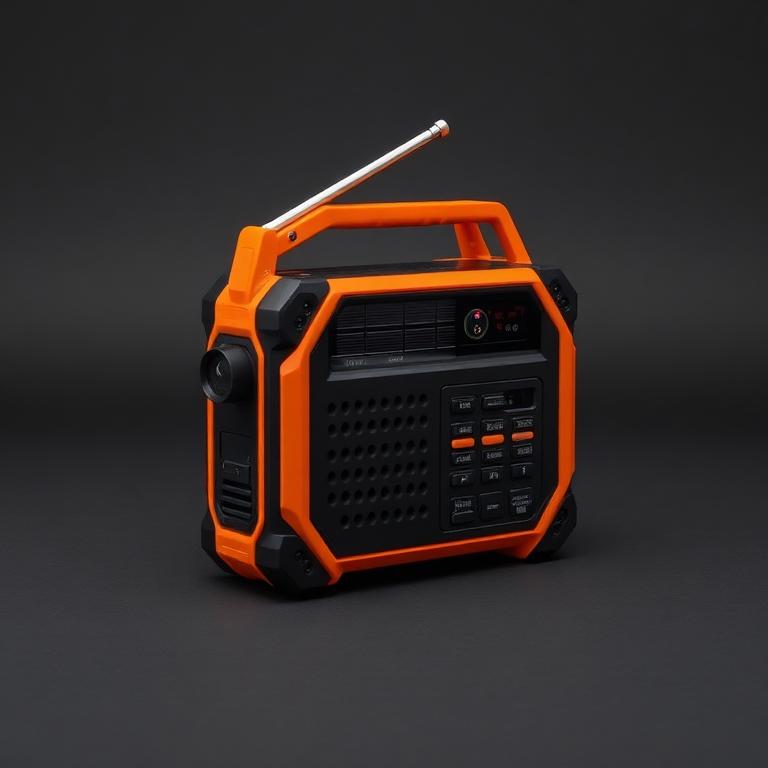
Solar & Hand-Crank Emergency Radio
Midland
Receives official information with no batteries or grid required.
AM/FM/NOAA weather radio with solar panel, hand crank, built-in flashlight and USB output for topping up a phone.

Anker 20,000mAh Powerbank
Anker
Keeps a phone and router alive long enough for texts to send.
Enough for a week of phone and headlamp charging. Keep it warm in winter.
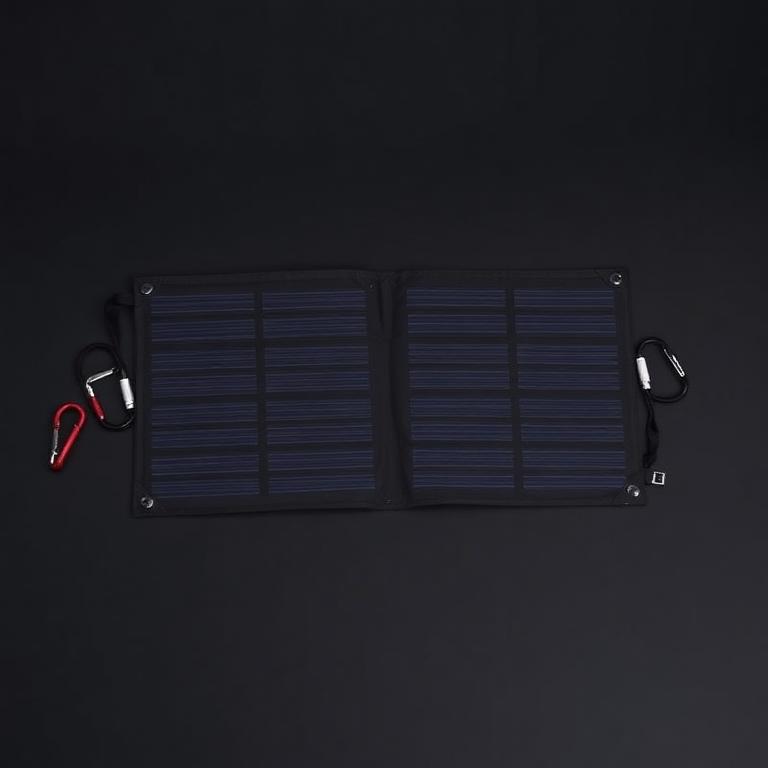
28W Folding Solar Charger
BigBlue
Recharges comms gear over a multi-day outage.
Straps to a pack and refills a powerbank in a day of sun. USB only, no controller needed.
Some links are affiliate links: if you buy through them we earn a small commission at no extra cost to you. We don't run product tests, and a commission never decides what a guide recommends.
Rate this hack
Be the first to rate this hack
Share your experience
Have you tried this hack? Share your experience, results, tips or suggestions with other readers.
Community experiences
Loading…
More Emergency
Building a 72-Hour Emergency Plan Your Family Will Actually Use
A one-page plan covering meeting points, contacts, roles and supplies — the boring document that makes every other preparation work.
8 min read
Evacuating in 15 Minutes: The Grab List
A printed, prioritised list that gets your family, documents, medication and pets out of the door without a single decision made in panic.
7 min read
A First-Aid Kit That Handles Real Injuries
Skip the box of plasters. What actually belongs in a kit for bleeding, burns, sprains and the days when a doctor is not coming.
8 min read