Five Knots That Do 90 Percent of Camp Work
The five camp knots worth learning: bowline, taut-line hitch, clove hitch, sheet bend and trucker's hitch — what each one is for and how to tie it reliably.
Watch a video tip
Video tipA related video tip that shows the technique in motion. It won't match this guide step for step — use it for the hand positions and timing, and follow the 5 steps below for the actual build.
Quick facts
Why these five and not more
Camp work keeps coming back to the same handful of jobs - tying a loop that won't slip, adjusting tension on a line, joining two ropes, or lashing something down hard. These five knots cover nearly all of it, and knowing five well beats knowing twenty half-remembered ones.
Learning the five
- 01
Tie the bowline for a fixed loop that won't tighten under load. Form a small loop in the standing part, bring the working end up through it, around the standing line, and back down through the loop - it holds firm under load and unties easily afterward even after being weighted.
- 02
Tie the taut-line hitch for an adjustable tensioning loop. Wrap the working end around the standing line twice inside the loop, then once more outside it, and it will grip under tension but slide to re-tension by hand - the standard knot for guying out a tarp or tent.
- 03
Tie the clove hitch for a quick, adjustable anchor to a post or pole. Wrap the rope around the post, cross over itself, and wrap again, tucking the end under the second wrap - fast to tie and untie, but it can slip if the pull isn't roughly perpendicular to the post.
- 04
Tie the sheet bend for joining two ropes of different thickness. Form a bight in the thicker rope, pass the thinner rope up through it, around the back of the bight, and tuck it under itself - far more reliable than a square knot for mismatched cord.
- 05
Tie the trucker's hitch for hauling serious tension on a line. Make a loop partway along the rope, run the working end around your anchor point and back through that loop, then pull - the loop acts as a pulley, giving you real mechanical advantage to cinch a load down tight.
When each one earns its place
Reach for the bowline whenever you need a loop you can trust and want to untie later - rescue lines, securing a tarp corner, a makeshift handle. The taut-line hitch is the one you'll use most often around any tarp shelter pitch, because overnight temperature swings stretch and slacken cordage and you need to retension without retying. The clove hitch suits quick, temporary lashings where you'll be adjusting or removing it soon. The sheet bend solves the common annoyance of two different diameters of cord that a reef knot won't hold. The trucker's hitch is for genuinely tensioning a load - a tarp ridgeline, securing gear to a roof rack, lashing a bundle for a car camping trip.
Common mistakes
Confusing the bowline with a similar-looking loop that slips under load is the classic error - if the loop tightens down on itself when you pull, it isn't a proper bowline. Tying a taut-line hitch with too few wraps means it slides instead of gripping; three wraps total is the minimum that reliably bites. Using a reef knot instead of a sheet bend on two different rope thicknesses is a near-universal beginner mistake, and it can fail without warning under load.
Knife and load-limit safety
None of these knots, however well tied, are rated for climbing, abseiling, or lifting a person - camp cordage and knots are for shelter, gear and general hauling, not life-support rigging. If a job involves a fall risk or a human load, that's a job for rated climbing equipment and proper technique, not a bowline in paracord. Keep a sharp knife within reach when working with cordage so a jammed or overloaded knot can be cut free quickly rather than fought with, and always cut away from your other hand.
Gear you need for this hack
Everything below does the job in this guide. Improvise where you can — buy where it matters.
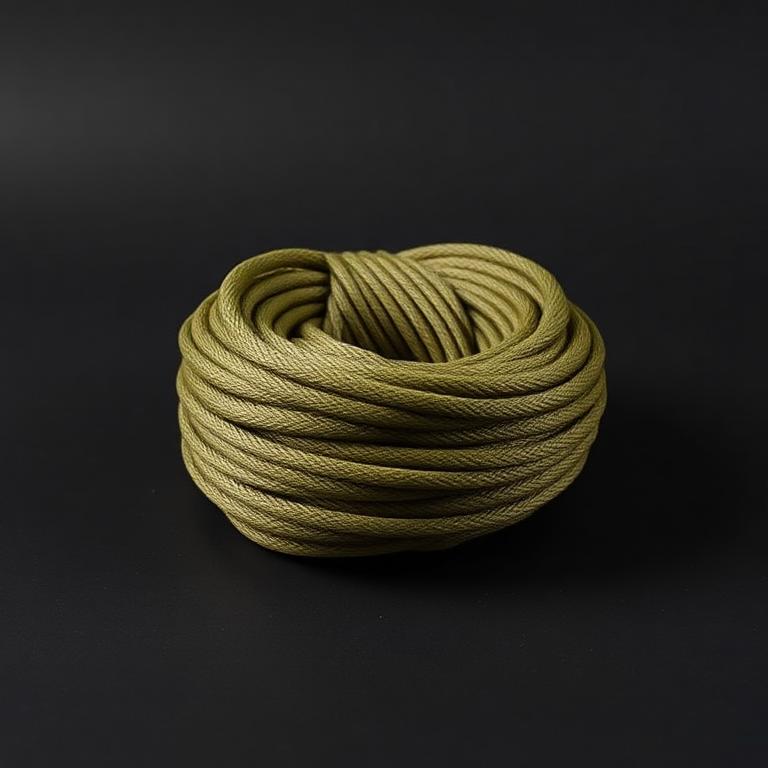
550 Paracord, 30m
Practise on real 7-strand cord.
Ridgelines, guylines, lashings and repairs. Buy real 7-strand cord.
The Ashley Book of Knots
Clifford Ashley
Everything you will ever need to tie.
Overkill in the best way. Everything you will ever tie is in here.
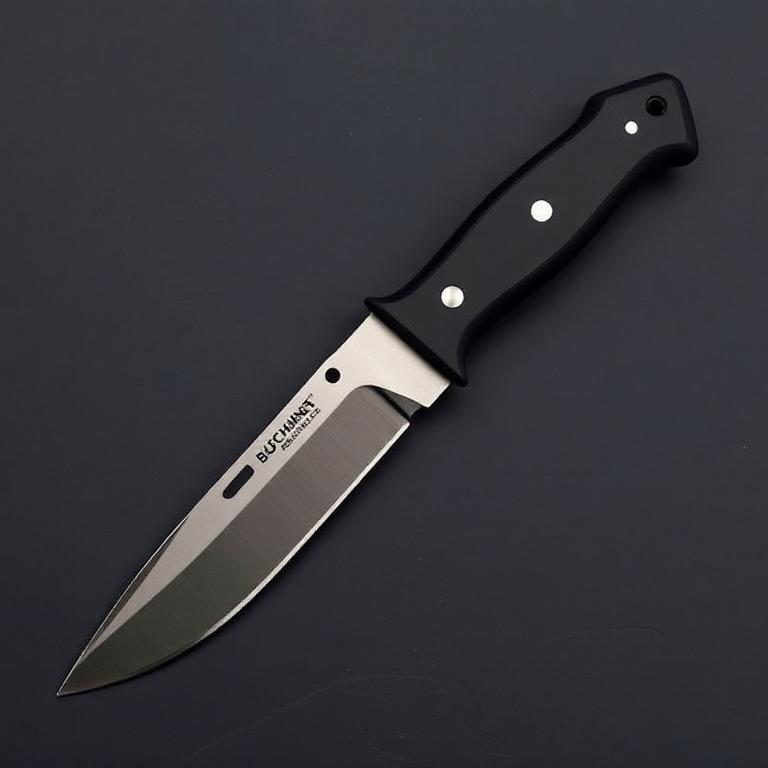
Morakniv Companion Heavy Duty
Morakniv
For cutting and whipping cord ends.
The default bushcraft knife: Scandi grind, carbon steel, honest price. Check your local knife laws.
Some links are affiliate links: if you buy through them we earn a small commission at no extra cost to you. We don't run product tests, and a commission never decides what a guide recommends.
Rate this hack
Be the first to rate this hack
Share your experience
Have you tried this hack? Share your experience, results, tips or suggestions with other readers.
Community experiences
Loading…