The First Hour of a Blackout: A Room-by-Room Plan
A calm, room-by-room plan for the first hour of a power cut in an apartment: light, fridge discipline, water, heat and information — before the batteries run low.
How it works, step by step
What's actually on a clock
What's actually on a clock
Everyone imagines a blackout as darkness and boredom. What it actually is, for the first sixty minutes, is a small window where several resources are still available but draining fast, and most households waste that window looking for a torch. Treat it as a checklist, not a crisis, and the rest of the outage gets much easier.
What's actually on a clock
Three things start counting down the moment power goes: your fridge and freezer's safe holding time, your building's water pressure if it depends on electric pumps, and your phone battery, which is about to become your only source of outside information. None of these are dangerous on their own. All three get worse the longer you delay dealing with them.
The first sixty minutes
- 01
Light hands-free, not screen-lit. Hand out headlamps or torches immediately and leave phone torches off; a phone burns battery fast when its screen and flash are both running, and you'll want that charge later for actual information.
- 01
Shut the fridge and decide dinner in one go. Open it once, pull out what you need for the next meal, then close it and leave it alone. A full fridge holds safe temperatures for roughly four hours unopened; a full freezer considerably longer.
- 01
Fill containers while there's still pressure. If your building relies on electric pumps — common above the first few floors — taps can run dry within minutes, not hours. Fill the bath, sink and any spare containers straight away.
- 01
Get one source of real information running. A battery or hand-crank radio, or a single phone on aeroplane mode for text updates, beats everyone constantly refreshing apps on full brightness.
- 01
Pick one room to keep warm or cool. Close doors to the rest of the flat and concentrate people, blankets or fans in whichever single room makes most sense for the weather.
- 01
Check on anyone vulnerable nearby. A knock on a neighbour's door matters more in the first hour than the next morning, especially for older residents or anyone relying on powered medical equipment.
Why this order works
Water and cold food both degrade on a timer you can't restart, so they come before comfort tasks. Information comes next because it tells you whether this is a five-minute breaker trip or a genuine winter storm outage that will run for days — and that changes everything downstream, from whether you start rationing food to whether you need your get-home bag contents at all.
Mistakes that turn a minor outage into a bad night
- Repeatedly opening the fridge "just to check", which resets none of the clock and wastes the cold air you have
- Lighting candles for light and then leaving them unattended near curtains or bedding
- Draining a phone on torch duty before setting up a proper light source
- Waiting to fill water containers until pressure has already dropped
Details most people get wrong
Tom's Quick Take
Tom Woods is our fictional editorial guide — this is the editor's summary in character, not a real person's account.
If there's one habit worth building, it's this: treat the first ten minutes of any outage as information-gathering and water-filling, not torch-hunting. Everything else in the hour follows from getting those two things sorted early.
Sources and further reading
- Ready.gov, power outages (https://www.ready.gov/)
- US CDC, food safety during power outages (https://www.cdc.gov/healthywater/emergency/making-water-safe.html)
Gear you need for this hack
Everything below does the job in this guide. Improvise where you can — buy where it matters.
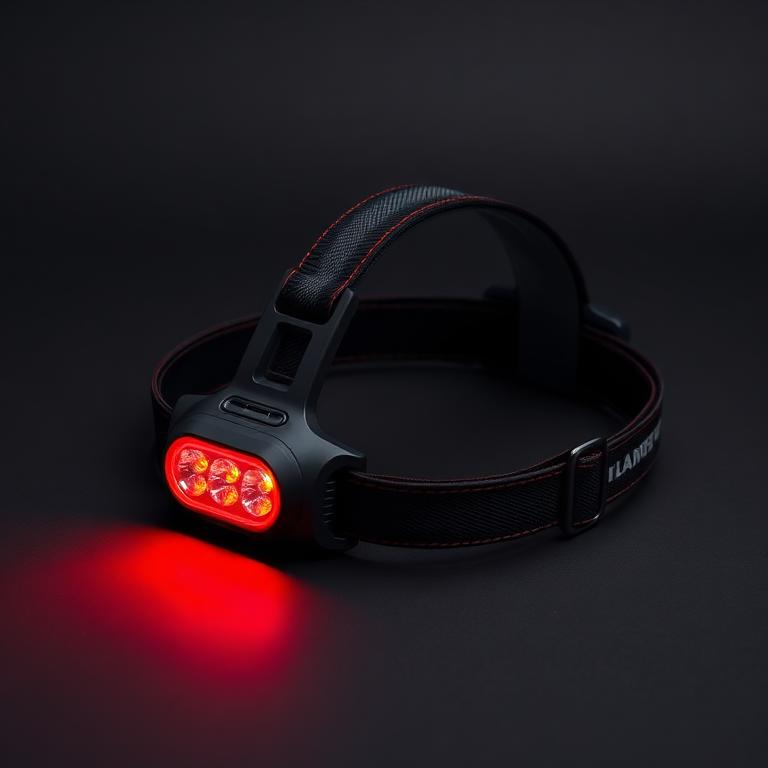
Rechargeable Headlamp
Petzl
Hands-free light beats a phone torch and saves the battery you need.
Hands-free light with a red mode that keeps your night vision.
Anker 20,000mAh Powerbank
Anker
One full powerbank keeps a phone alive for two to three days of careful use.
Enough for a week of phone and headlamp charging. Keep it warm in winter.
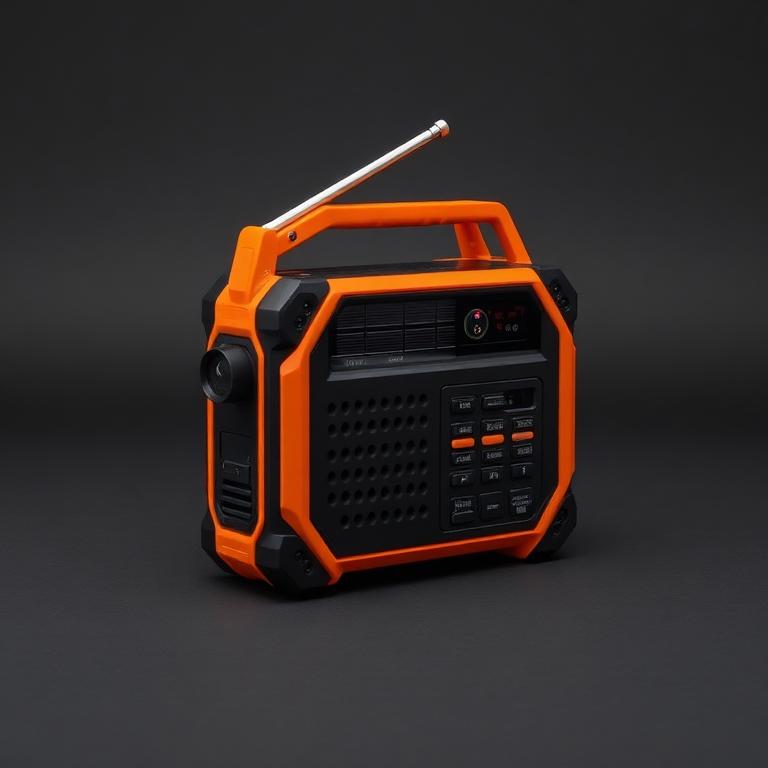
Solar & Hand-Crank Emergency Radio
Midland
Radio updates when mobile data is congested or down.
AM/FM/NOAA weather radio with solar panel, hand crank, built-in flashlight and USB output for topping up a phone.
Some links are affiliate links: if you buy through them we earn a small commission at no extra cost to you. We don't run product tests, and a commission never decides what a guide recommends.
Rate this hack
Be the first to rate this hack
Share your experience
Have you tried this hack? Share your experience, results, tips or suggestions with other readers.
Community experiences
Loading…
More City Hacks
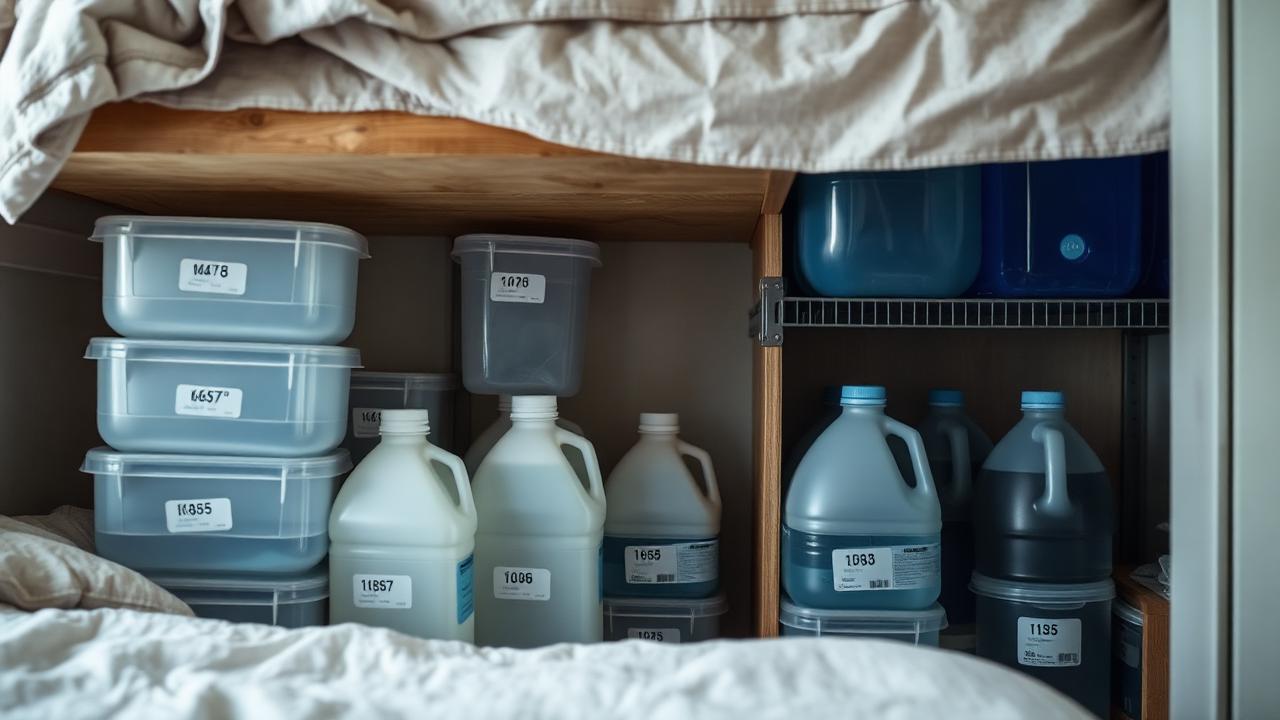
Storing Two Weeks of Water in a Small Apartment
How much water you actually need, where to fit it in a flat, how long it keeps and how to rotate it without turning your hallway into a warehouse.
7 min read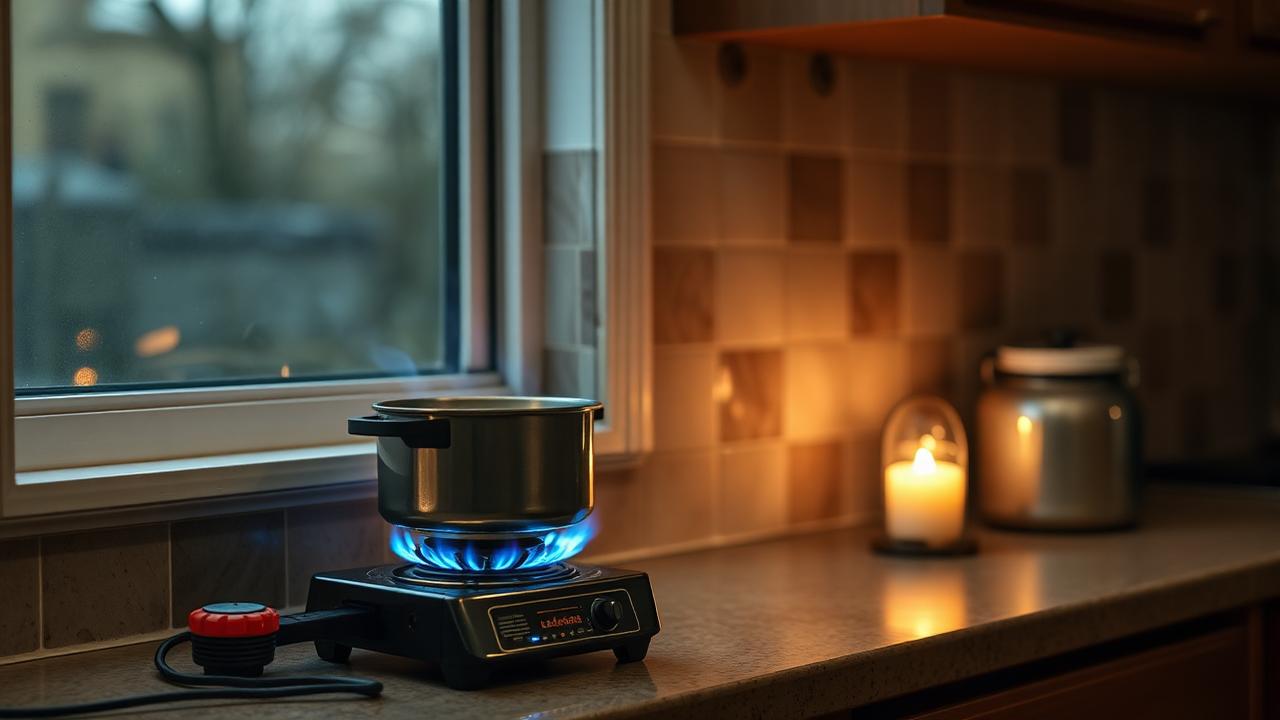
Cooking Indoors Safely When the Power Is Out
Which stoves are safe inside a flat, which will quietly poison you, and how to cook hot meals for days on a single gas canister.
7 min read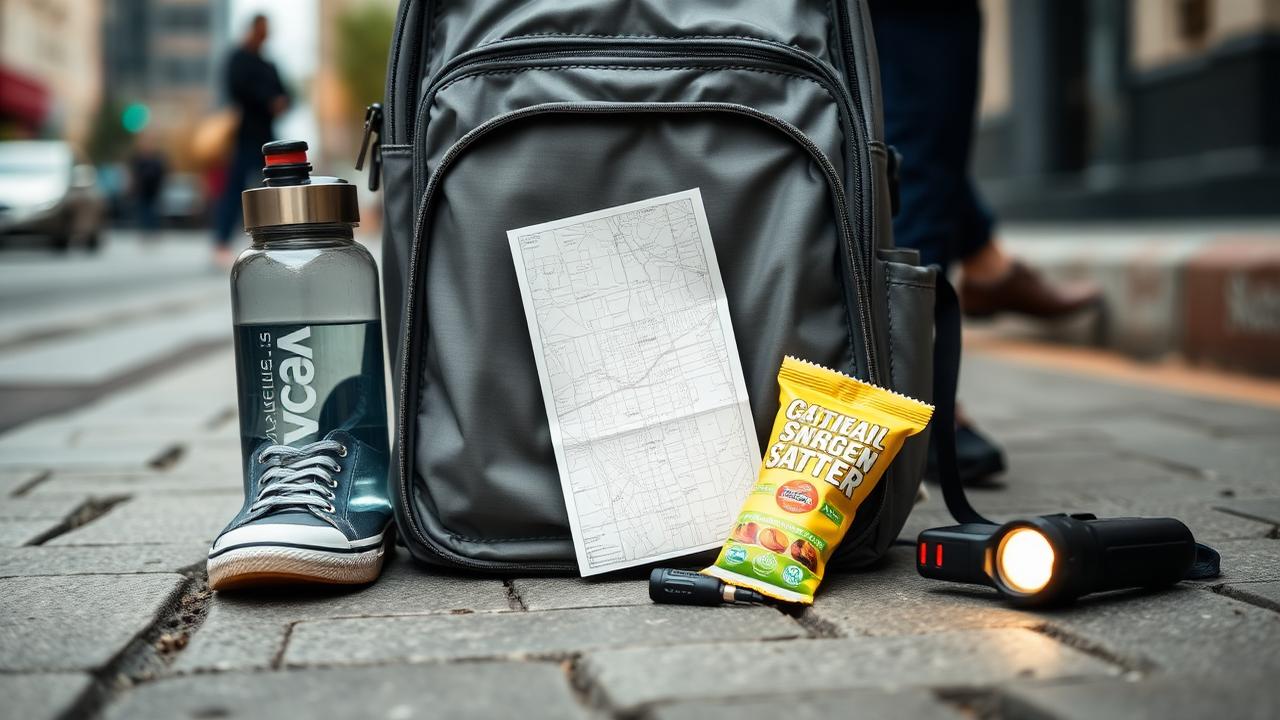
The Get-Home Bag for City Commuters
A small, unremarkable bag that gets you 15 to 20 km home on foot when transport stops — packed for pavement, not for the woods.
7 min read