Cooking Indoors Safely When the Power Is Out
Which stoves are safe inside a flat, which will quietly poison you, and how to cook hot meals for days on a single gas canister.
How it works, step by step
Quick facts
Quick facts
There is one fact that has to sit above everything else in this article: burning fuel indoors without proper ventilation and flueing can kill you with carbon monoxide, a gas you cannot see or smell. Every option below is ranked by how safely it can be used indoors, and some of the things people search for — camping stoves, barbecues, charcoal — are included here specifically to tell you not to use them inside.
Quick facts
What "no power" actually rules out
Most kitchen cooking depends on mains electricity or, in some homes, mains gas that still needs an electric ignition or extraction fan. When power fails, your options are: food that needs no cooking at all, a cooking method genuinely designed and rated for indoor use, or accepting that some meals wait until you can cook outside safely. There is no clever hack that makes an outdoor stove, a barbecue, or a charcoal burner safe to run inside a closed room — the carbon monoxide risk doesn't scale down with a cracked window, it just gets slower and still fatal.
Safer options in order of preference
- 01
Start with food that needs no heat. Tinned beans, fish, fruit, bread, peanut butter and pre-cooked pouches keep a household fed for days without any flame at all, and this should be your default plan, not a last resort.
- 01
Use a genuinely indoor-rated appliance if you have one. A tested indoor gas hob already fitted and vented as part of the building is fine to keep using in a power cut if its ignition is manual or battery-powered; check the model, don't assume.
- 01
Consider a small, properly certified indoor gas or catalytic heater-stove only if it is explicitly rated for indoor use and you keep a window cracked and a working CO alarm running. Many popular camping stoves are explicitly labelled outdoor-use-only for this exact reason — read the label, not the marketing photo.
- 01
Never bring a barbecue, charcoal burner, petrol generator or unflued gas heater indoors, into a garage, tent or porch, even briefly. These produce carbon monoxide fast enough to be dangerous within minutes in an enclosed space, and deaths from exactly this mistake happen every year during power cuts and storms.
- 01
If you must cook with an outdoor-rated stove, do it fully outside or in a genuinely open doorway with cross-ventilation, watching the weather. This isn't a compromise position — it's the actual safe use case for that equipment.
- 01
Keep a battery or wind-up carbon monoxide alarm as part of your outage kit, separate from mains-powered smoke alarms. A mains alarm that fails when the power does is no alarm at all during the exact scenario you're planning for.
Recognising carbon monoxide poisoning
Early symptoms — headache, dizziness, nausea, confusion — are easy to mistake for tiredness or a cold, which is part of what makes CO so dangerous. If more than one person in a room feels unwell at the same time, or symptoms ease when you leave the room and return when you go back in, treat it as a carbon monoxide emergency: get everyone into fresh air immediately and call emergency services.
What actually works well without power
A basic camping gas stove used strictly outdoors, or a tin can rocket stove built and run entirely in the open, both turn tinned or dried food into a hot meal without touching mains power at all — the key word in both cases is outdoors. For genuinely indoor meals, lean on no-cook food and, if you have one, a properly vented indoor hob.
Sources and further reading
- US CDC, carbon monoxide poisoning prevention (https://www.cdc.gov/carbon-monoxide/about/index.html)
- NFPA, home fire and CO safety (https://www.nfpa.org/)
- Ready.gov, power outages (https://www.ready.gov/)
Gear you need for this hack
Everything below does the job in this guide. Improvise where you can — buy where it matters.
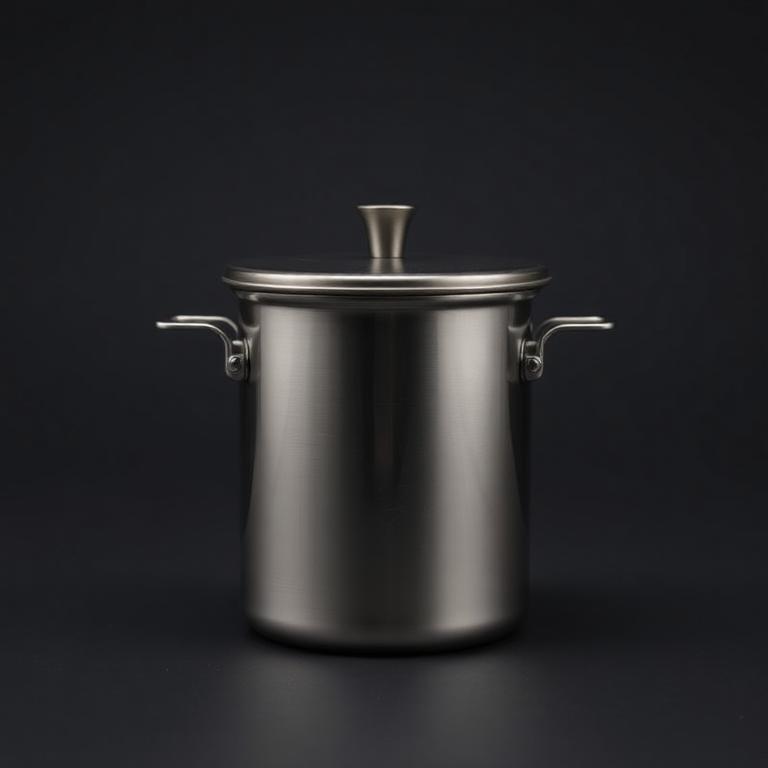
Titanium 750ml Pot
Light pot with a lid that keeps fuel use down.
Light enough to always carry, tough enough to sit straight in the coals.
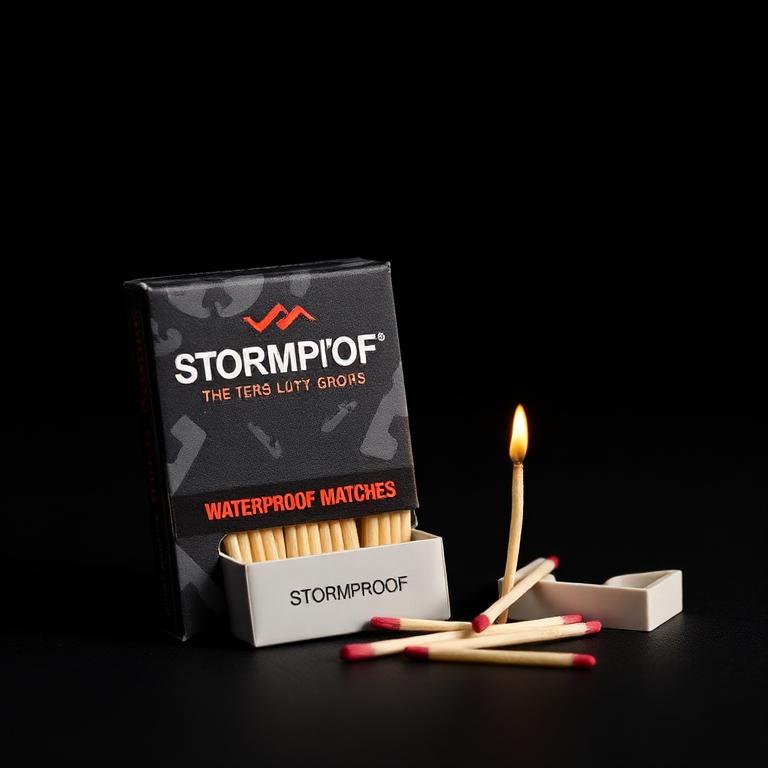
Stormproof Matches
UCO
Reliable ignition when a piezo lighter fails in the cold.
Relight after being dunked and burn in wind. Carry them in the waterproof case.
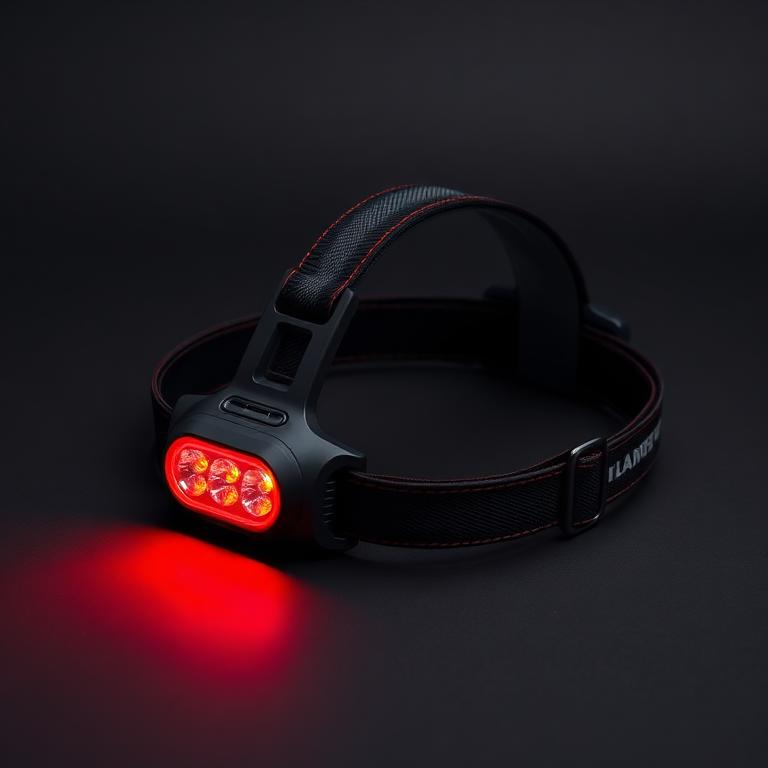
Rechargeable Headlamp
Petzl
Cooking in the dark needs both hands free.
Hands-free light with a red mode that keeps your night vision.
Some links are affiliate links: if you buy through them we earn a small commission at no extra cost to you. We don't run product tests, and a commission never decides what a guide recommends.
Rate this hack
Be the first to rate this hack
Share your experience
Have you tried this hack? Share your experience, results, tips or suggestions with other readers.
Community experiences
Loading…
More City Hacks
Storing Two Weeks of Water in a Small Apartment
How much water you actually need, where to fit it in a flat, how long it keeps and how to rotate it without turning your hallway into a warehouse.
7 min read
The First Hour of a Blackout: A Room-by-Room Plan
A calm, room-by-room plan for the first hour of a power cut in an apartment: light, fridge discipline, water, heat and information — before the batteries run low.
8 min read
The Get-Home Bag for City Commuters
A small, unremarkable bag that gets you 15 to 20 km home on foot when transport stops — packed for pavement, not for the woods.
7 min read