
The Get-Home Bag for City Commuters
A small, unremarkable bag that gets you 15 to 20 km home on foot when transport stops — packed for pavement, not for the woods.
How it works, step by step
Quick facts
Quick facts
A get-home bag has one job: getting you from wherever you are back to somewhere safe, on foot, through a city, without relying on transport, phone networks or shops working as normal. It is not a survival kit for the wilderness and not the same as a full bug-out bag — it's smaller, lighter, and built around the specific failure modes of urban travel: crowded transit stopping, phone masts overloading, and pavements that don't care whether it's raining.
Quick facts
What problem this actually solves
Most urban emergencies that maroon people away from home aren't dramatic disasters — they're a transit strike, a substation fire, a flooded underpass, or a mobile network so overloaded nobody can call a taxi. In all of those, the practical answer is walking home, sometimes for several hours, in whatever clothes and shoes you happened to wear that day. A get-home bag exists to make that walk survivable and not miserable, kept in a car boot, desk drawer or locker rather than sat unused at home.
Building the bag
- 01
Start with footwear, not gadgets. If you commute in shoes you couldn't walk 10 miles in, keep a spare pair of proper walking or trainers at your desk or in the car — this single item prevents more get-home failures than anything else on this list.
- 01
Add water and a way to refill it. A refillable bottle plus a couple of purification tablets covers you for public fountains or taps you wouldn't otherwise trust; see emergency water purification for when tablets are and aren't enough.
- 01
Pack calorie-dense food that needs no prep. Cereal bars, nuts, dried fruit — nothing that needs water added or heating, since you'll be moving, not camping.
- 01
Include a way to see and be seen. A small headlamp or torch, plus a hi-vis strip or bright item, matters more in a city than people expect, especially if street lighting itself has failed.
- 01
Carry a basic first aid kit sized for blisters and minor injuries. Plasters, blister pads, a bandage and antiseptic wipes cover most of what an unplanned long walk actually causes; see a first aid kit that works for a fuller list if you want more coverage.
- 01
Add a paper map or offline map download and a portable charger. Phone networks are often the first thing to fail or clog in a city emergency, so don't plan a route that depends entirely on live data; a powerbank keeps the phone alive for calls once networks recover, and pairs with the habits in keeping a phone alive in a blackout.
Why walking routes need thinking about in advance
Rivers, motorways and rail lines are the obstacles that turn a two-hour walk into a five-hour one if you hit them without a plan. Spend twenty minutes once, sober and unhurried, working out your actual walking route home and where the bridges and crossings are — this costs nothing and matters more than most items in the bag.
What this bag is not for
It won't get you through days of sheltering in place — that's a home emergency kit and a 72-hour plan. It also isn't designed for genuine wilderness travel; if your commute crosses open countryside rather than streets, you need heavier kit and different clothing layers than described here.
Mistakes worth avoiding
- Packing camping-grade survival gear that adds weight without matching the actual scenario
- Leaving the bag at home because "I'll grab it on the way out" — the whole point is that you're not home when it's needed
- Never having actually worn or walked in the shoes you're relying on
- Assuming your phone's live maps and signal will work when everyone else is trying to do the same thing at once
Common questions
How heavy should this bag be? Light enough to walk several hours in comfortably — most people find 3-5kg about right. If it's heavier than a school bag, you've probably packed for the wrong scenario.
Do I need this if I mostly work from home? Less urgently, but consider a smaller version for any bag you take when travelling into a city, since the risk is tied to being away from home, not to your job.
Sources and further reading
- Ready.gov, evacuation and getting home (https://www.ready.gov/)
- Red Cross, first aid basics (https://www.redcross.org/take-classes/first-aid)
Gear you need for this hack
Everything below does the job in this guide. Improvise where you can — buy where it matters.
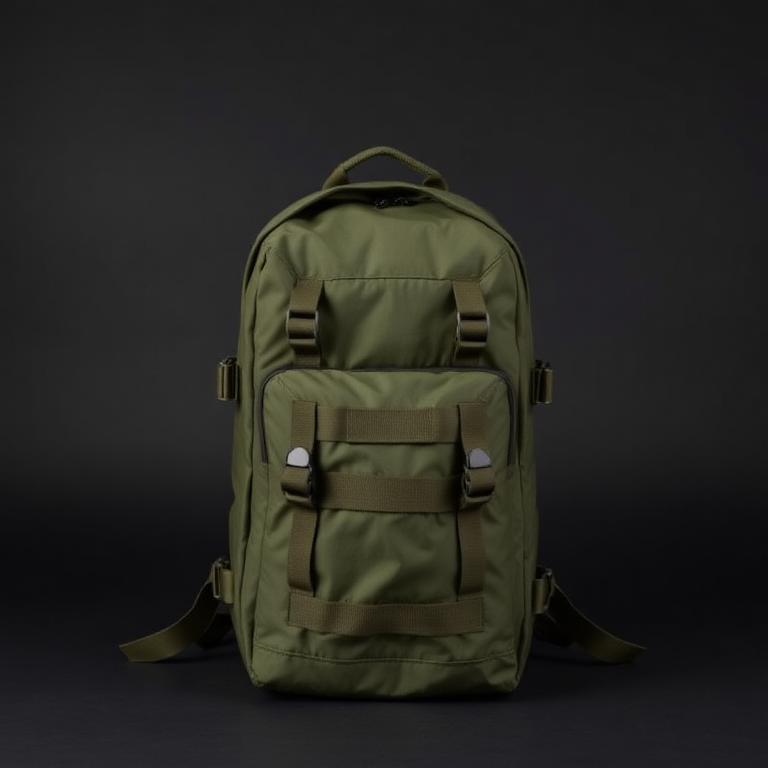
30L Bug-Out Daypack
Plain, light and comfortable enough to carry every day.
The right size for a 72-hour bag. Bigger packs just tempt you to overload.
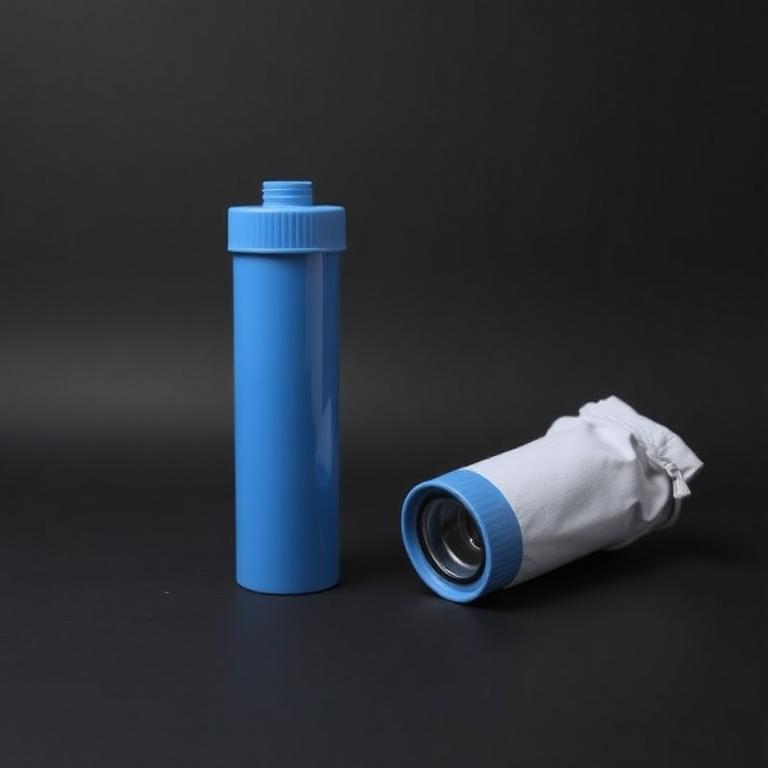
Sawyer Squeeze Water Filter
Sawyer
Turns every tap and fountain on the route into a refill.
0.1 micron hollow-fibre filter rated for 100,000 litres. Backflush it and it lasts for years.
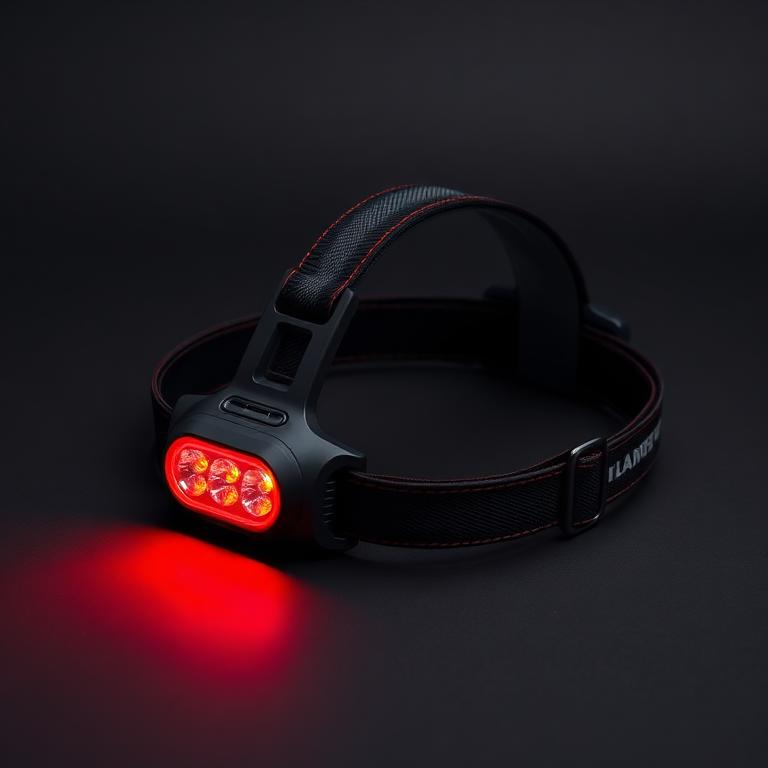
Rechargeable Headlamp
Petzl
A city without power is darker than you expect.
Hands-free light with a red mode that keeps your night vision.
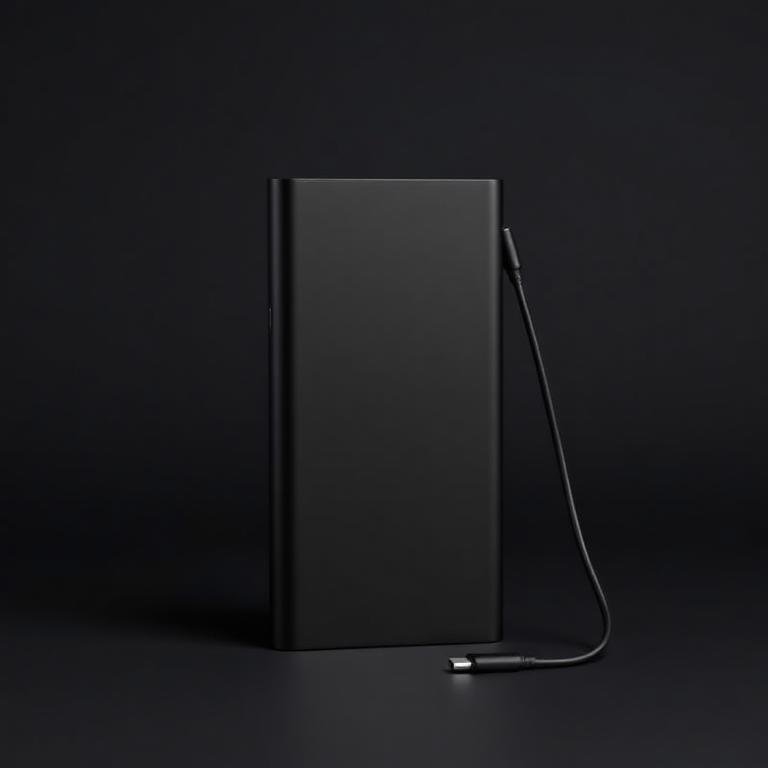
Anker 20,000mAh Powerbank
Anker
Keeps navigation and contact alive across a long walk.
Enough for a week of phone and headlamp charging. Keep it warm in winter.
Some links are affiliate links: if you buy through them we earn a small commission at no extra cost to you. We don't run product tests, and a commission never decides what a guide recommends.
Rate this hack
Be the first to rate this hack
Share your experience
Have you tried this hack? Share your experience, results, tips or suggestions with other readers.
Community experiences
Loading…
More City Hacks
Storing Two Weeks of Water in a Small Apartment
How much water you actually need, where to fit it in a flat, how long it keeps and how to rotate it without turning your hallway into a warehouse.
7 min read
The First Hour of a Blackout: A Room-by-Room Plan
A calm, room-by-room plan for the first hour of a power cut in an apartment: light, fridge discipline, water, heat and information — before the batteries run low.
8 min read
Cooking Indoors Safely When the Power Is Out
Which stoves are safe inside a flat, which will quietly poison you, and how to cook hot meals for days on a single gas canister.
7 min read