Surviving a Winter Storm Power Outage at Home
Pipes, heat, food, carbon monoxide and light — a full winter outage playbook for a house that just went cold and dark.
How it works, step by step
Cold
Cold, dark and quiet is the pattern to plan for
Cold, dark and quiet is the pattern to plan for
A winter storm power outage usually arrives with three problems stacked together: falling indoor temperature, no working heat source, and roads too bad to easily get help or supplies. None of these individually is unmanageable, but together, over several days, they get dangerous fast — especially for very young, elderly or unwell household members. The plan is about managing heat loss, avoiding carbon monoxide, keeping food safe and staying informed, roughly in that order.
Quick facts
The first actions when the power goes
- 01
Check for immediate hazards before anything else. Downed lines, gas smells, or damage from whatever caused the outage — these take priority over comfort.
- 01
Close off and insulate one room. Shut doors, hang blankets over doorways and windows, and concentrate the household there rather than trying to heat the whole house.
- 01
Protect pipes from freezing. Open cabinet doors under sinks near exterior walls, and let taps drip slightly if a hard freeze is expected, since moving water freezes slower than still water.
- 01
Layer clothing before reaching for heat sources. Wool or synthetic layers, hats and blankets do more for comfort per unit of effort than most people expect, and buy time before any heat source is needed at all.
- 01
Set up safe heat and light only with carbon monoxide in mind. Never run a generator, camping stove or charcoal indoors, even in a garage with the door open — see the safety section below.
- 01
Check on medically vulnerable household members and neighbours. Cold homes are genuinely dangerous for infants, the elderly and anyone with certain health conditions, faster than most people assume.
Heat without power, safely
Any combustion heater, generator or stove that burns fuel produces carbon monoxide, an odourless gas that can kill without warning signs the way smoke does. It must only run outdoors, or in the specific location and ventilation a device is rated for — never in a room, garage, tent or vehicle without dedicated, code-compliant venting. A battery-powered carbon monoxide alarm is worth having in any home that might use backup heating or cooking. For genuinely powerless heating of a single room, see heating one room without power for layering and insulation techniques that don't involve combustion at all.
Food and water during the outage
A full freezer stays safe for roughly 48 hours unopened, a fridge for around 4 hours — keep both closed as much as possible to preserve that window. Favour foods that need no cooking or minimal heating over the first day, since cooking indoors without power has its own carbon monoxide considerations covered in cooking indoors without power. Keep a few days of stored water on hand regardless of outage length, since water systems can also fail during severe winter weather.
Common mistakes
Trying to heat the whole house rather than one room, which wastes both fuel and body heat. Running a generator in a garage "for ventilation" — attached garages still allow carbon monoxide into the house. Opening the fridge or freezer repeatedly to check on food, which shortens the safe window. Waiting until the storm is imminent to check on elderly or vulnerable neighbours, rather than checking early and often.
Keeping informed without mains power
A battery or hand-crank radio keeps you connected to official warnings when mobile networks and home internet may both be down — solar radio with flashlight covers a device that does both jobs from one battery. Weather and road-condition warnings for your specific area are worth checking before the storm arrives, not just during it.
What to do if things get genuinely bad
If indoor temperature drops close to outdoor levels despite these measures, or a vulnerable household member shows signs of hypothermia (confusion, slurred speech, shivering that stops), treat it as a medical emergency and get to a warm shelter or call for help rather than continuing to improvise. No amount of layering substitutes for evacuating a home that has become genuinely unsafe.
What this plan cannot do
It can't fix a genuinely failed heating system or a multi-day regional outage on its own, and none of these measures replace a real backup heat source if you live somewhere with severe, prolonged winters — that's a bigger investment decision, not a same-day fix.
Common questions
Is it safe to burn candles for warmth? Candles produce negligible heat relative to fire risk, especially left unattended overnight — they're a light source, not a heat source.
Should I keep taps running to prevent frozen pipes? A slow drip on vulnerable pipes is usually enough; running taps fully wastes stored water without meaningfully improving protection.
Sources and further reading
CDC carbon monoxide safety Ready.gov winter weather Met Office weather warnings
Gear you need for this hack
Everything below does the job in this guide. Improvise where you can — buy where it matters.
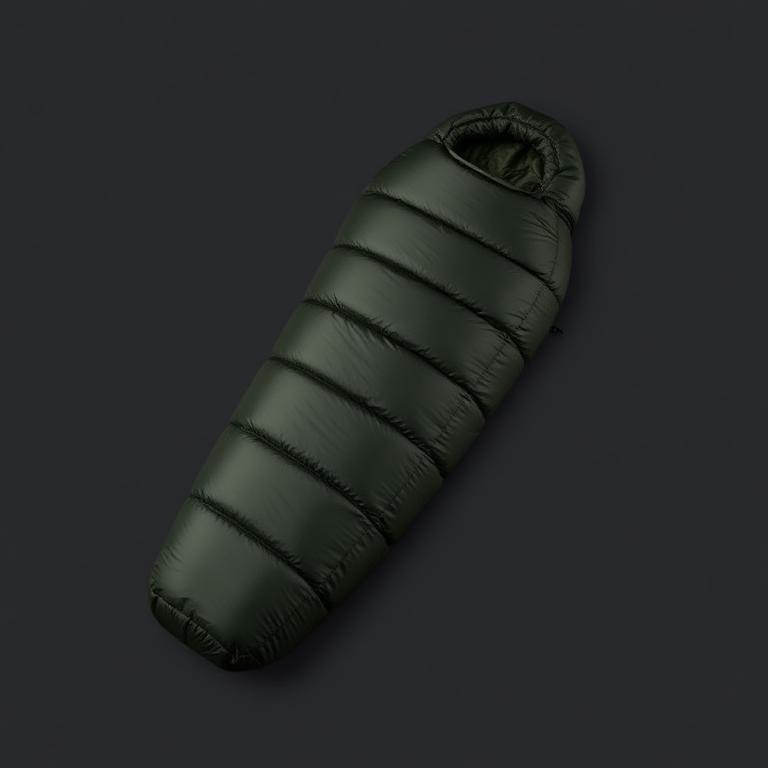
Down Sleeping Bag, -7C Comfort
Real cold ratings keep an unheated house liveable.
Comfort rating, not survival rating, is the number that matters. Keep it dry.
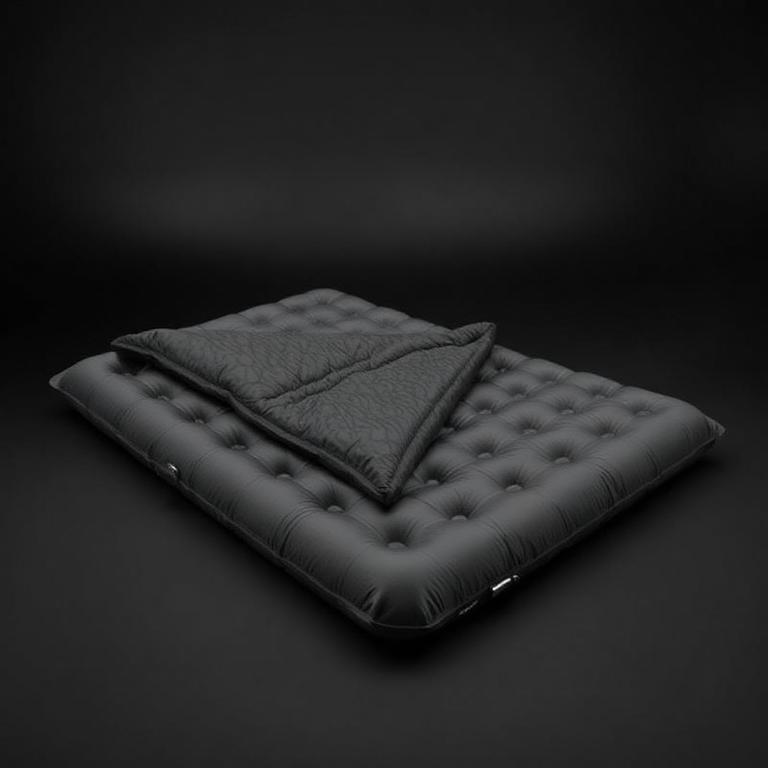
Insulated Sleeping Pad (R-value 4+)
Insulation from a cold floor matters more than air temperature.
Ground steals more heat than air. R-value 4 or higher for cold nights.
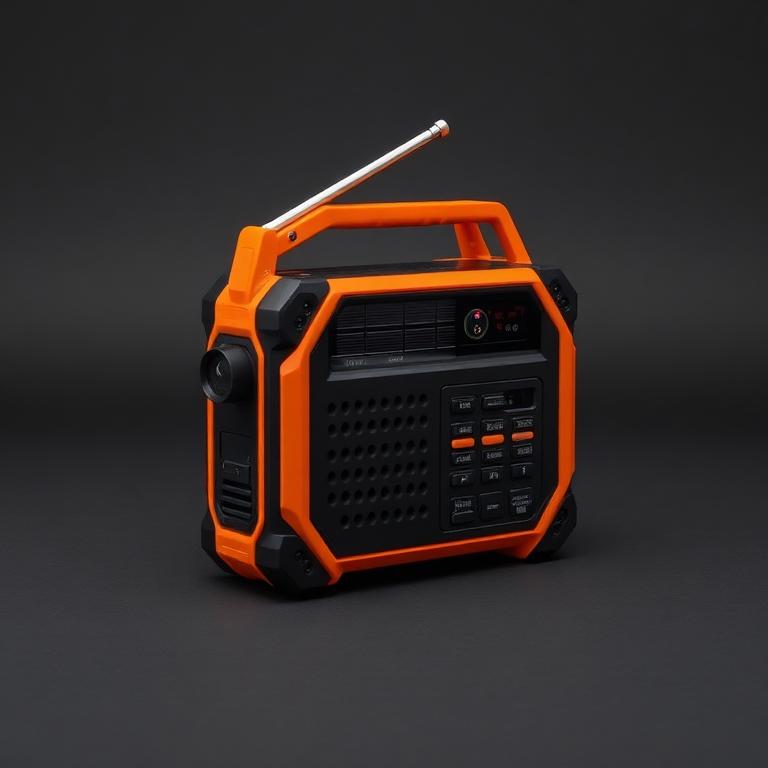
Solar & Hand-Crank Emergency Radio
Midland
Storm updates and a torch with no batteries to die.
AM/FM/NOAA weather radio with solar panel, hand crank, built-in flashlight and USB output for topping up a phone.

Rechargeable Headlamp
Petzl
Safe, hands-free light instead of candles.
Hands-free light with a red mode that keeps your night vision.
Some links are affiliate links: if you buy through them we earn a small commission at no extra cost to you. We don't run product tests, and a commission never decides what a guide recommends.
Rate this hack
Be the first to rate this hack
Share your experience
Have you tried this hack? Share your experience, results, tips or suggestions with other readers.
Community experiences
Loading…
More Emergency
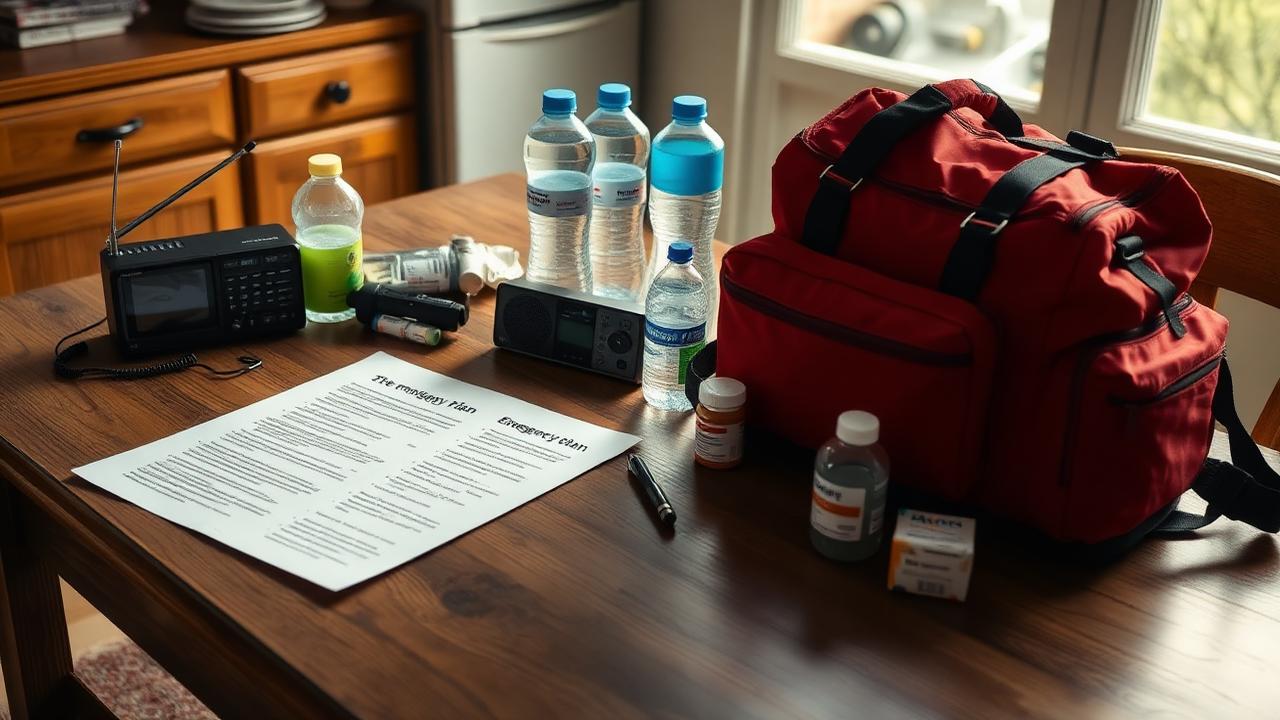
Building a 72-Hour Emergency Plan Your Family Will Actually Use
A one-page plan covering meeting points, contacts, roles and supplies — the boring document that makes every other preparation work.
8 min read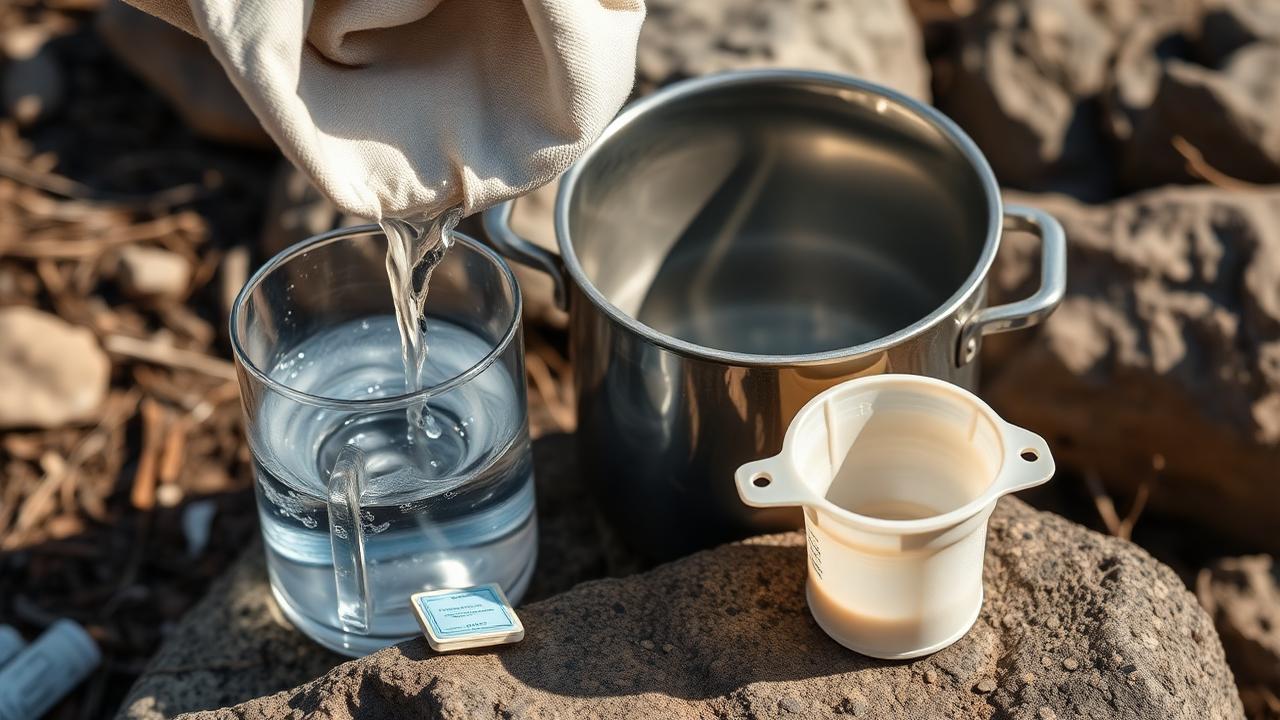
Emergency Water Purification: Boiling, Chemicals and Filters
What each method actually kills, how long it takes, and how to combine them so water of unknown origin becomes genuinely safe to drink.
8 min read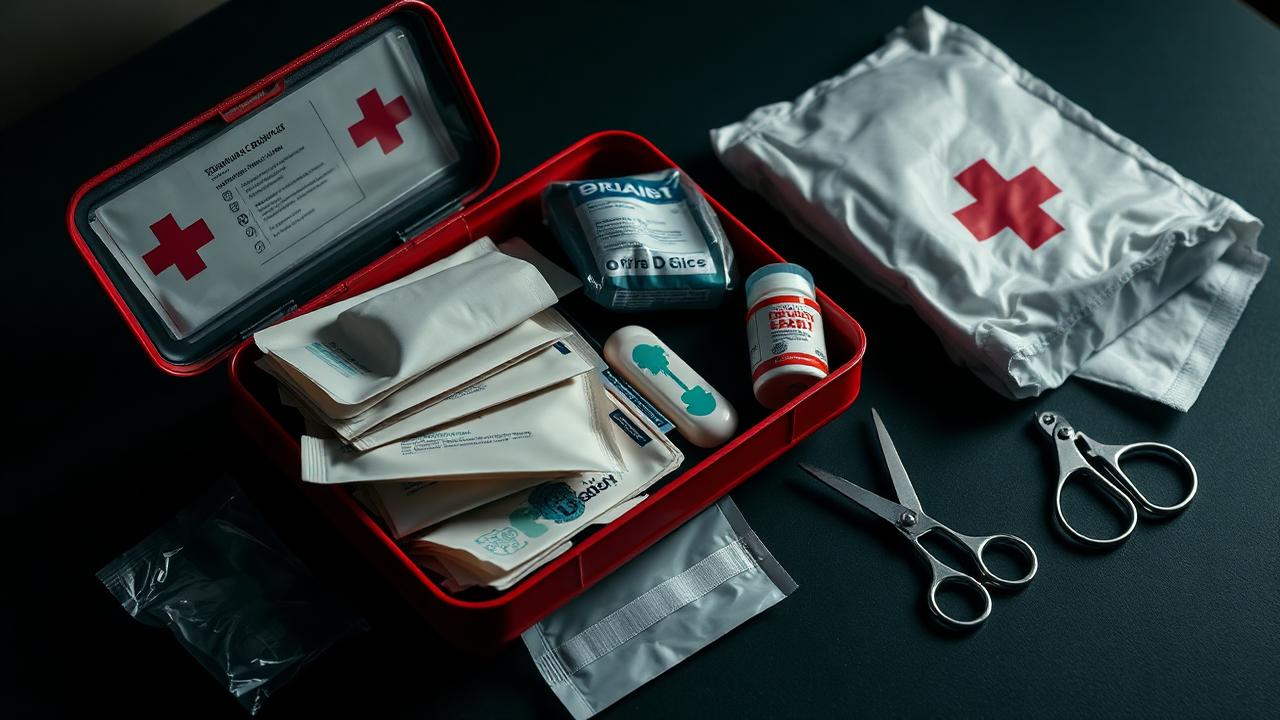
A First-Aid Kit That Handles Real Injuries
Skip the box of plasters. What actually belongs in a kit for bleeding, burns, sprains and the days when a doctor is not coming.
8 min read