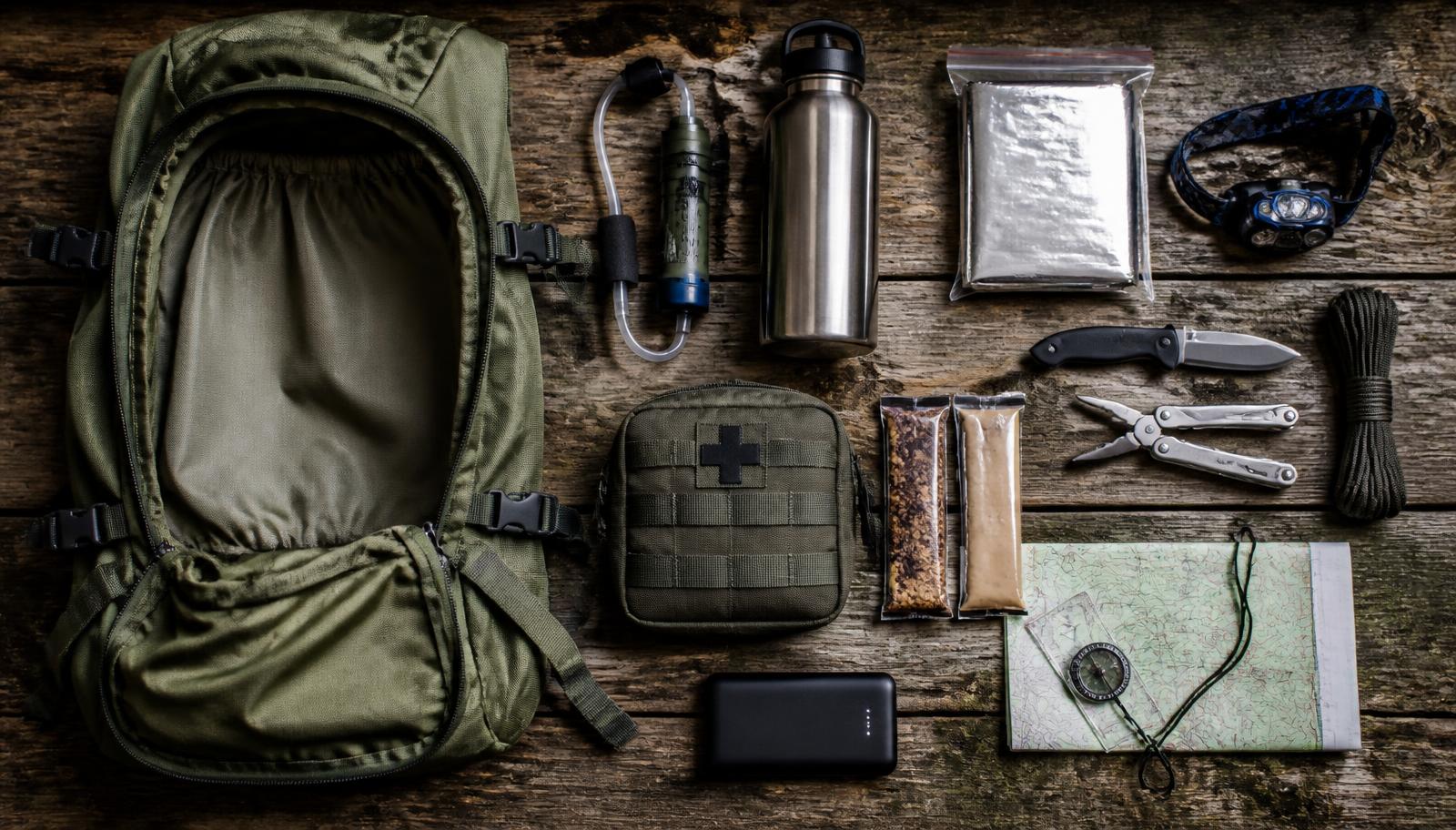
What Actually Belongs in a 72-Hour Bag
What actually belongs in a 72-hour bag: an honest packing list by weight, covering water, shelter, warmth, light, medical, documents and navigation.
How it works, step by step
The question isn't what to pack
The question isn't what to pack, it's what you'll need to have already done
The question isn't what to pack, it's what you'll need to have already done
A 72-hour bag is built on the assumption that help, power or normal supply chains might be disrupted for three days, not three weeks. That framing changes what's actually worth carrying — it's less about long-term survival gear and more about bridging a short, uncomfortable gap safely and calmly.
Quick facts
Water: the item you cannot substitute
Plan for roughly 1 litre per person per day as an absolute minimum, more in heat or if physically active. That's 3 litres minimum for 72 hours per person, which is already heavy — pairing a smaller carried amount with a reliable purification method, as covered in emergency water purification, is usually more practical than trying to carry it all.
Shelter and warmth for three nights, not three months
A single warm layer, a compact sleeping bag or blanket rated to conditions you're likely to face, and a lightweight tarp or bivvy. Wet, cold conditions kill faster than dry cold ones, so waterproofing matters as much as insulation — see five tarp shelter configurations for options that pack small.
The steps to actually assembling one
- 01
Start with water and medication before anything else. These are the two categories where running out has immediate, serious consequences.
- 01
Add one complete change of weather-appropriate clothing per person. Include a warm layer even in summer bags — nights and unexpected exposure can both drop temperatures fast.
- 01
Pack a basic first aid kit sized to your household. Follow the reasoning in a first aid kit that works rather than buying the first pre-made kit you see.
- 01
Include copies of key documents in a waterproof pouch. ID, insurance policy numbers, emergency contacts and a small list of medical conditions per family member.
- 01
Add lighting, a way to charge a phone, and a whistle. A headlamp beats a phone torch for battery life; see keeping your phone alive during a blackout for realistic power planning.
- 01
Store the finished bag somewhere reachable in under two minutes. If it's in a loft behind boxes, it won't get grabbed under stress — the same logic behind evacuation checklist: the first 15 minutes.
Food that needs no preparation
Calorie-dense, shelf-stable food that requires no cooking or water to prepare covers the basic need without extra equipment: nut butter, dried fruit, crackers, tinned food with a ring-pull lid. If you do bring a stove, it is strictly for outdoor use — burning fuel indoors, including in a tent or vehicle, produces carbon monoxide that can be fatal without warning.
Documents, cash and the things easy to forget
Spare house and car keys, a small amount of cash, and a paper map of your local area in case digital navigation and networks are both down. These cost almost nothing to include and solve real problems that gear alone doesn't.
Where people get this wrong
The most common mistake is building a bag once for a magazine-cover scenario and then never adjusting it as family needs change — a baby's bag needs completely different contents to an adult's, and both need revisiting as children grow. The second is over-packing tools and under-packing water and medication, which are the two things that actually run out fastest.
What a 72-hour bag can't cover
It isn't a substitute for a home emergency plan, evacuation routes, or knowing your area's specific risks — pair it with the wider planning in the 72-hour emergency plan. It also isn't designed for indefinite survival; if a disruption runs past three days, you need resupply, not a heavier bag.
Sources and further reading
Official household emergency planning: ready.gov and drinking water safety: WHO drinking water.
Gear you need for this hack
Everything below does the job in this guide. Improvise where you can — buy where it matters.
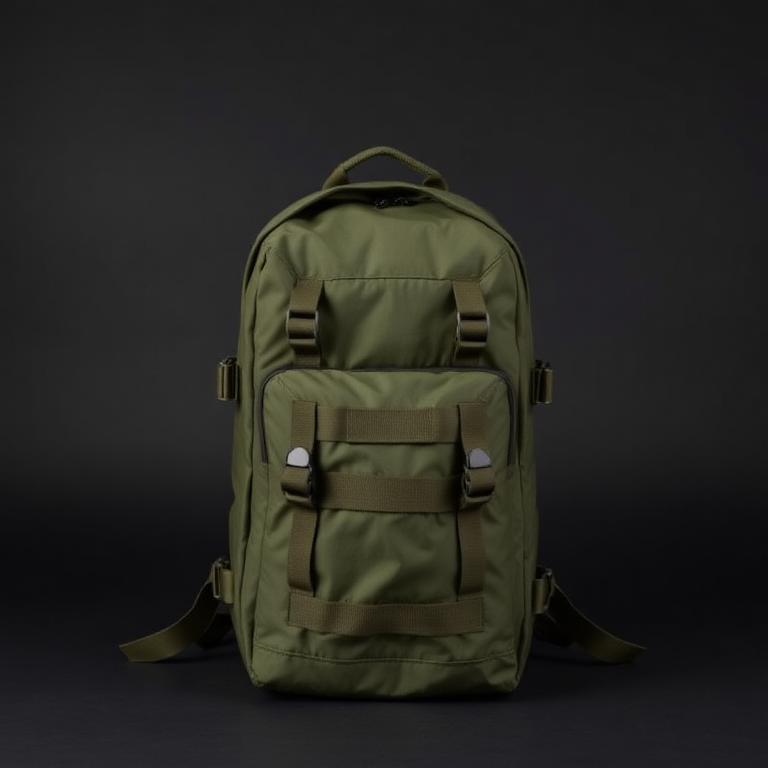
30L Bug-Out Daypack
The right size; bigger packs tempt overloading.
The right size for a 72-hour bag. Bigger packs just tempt you to overload.
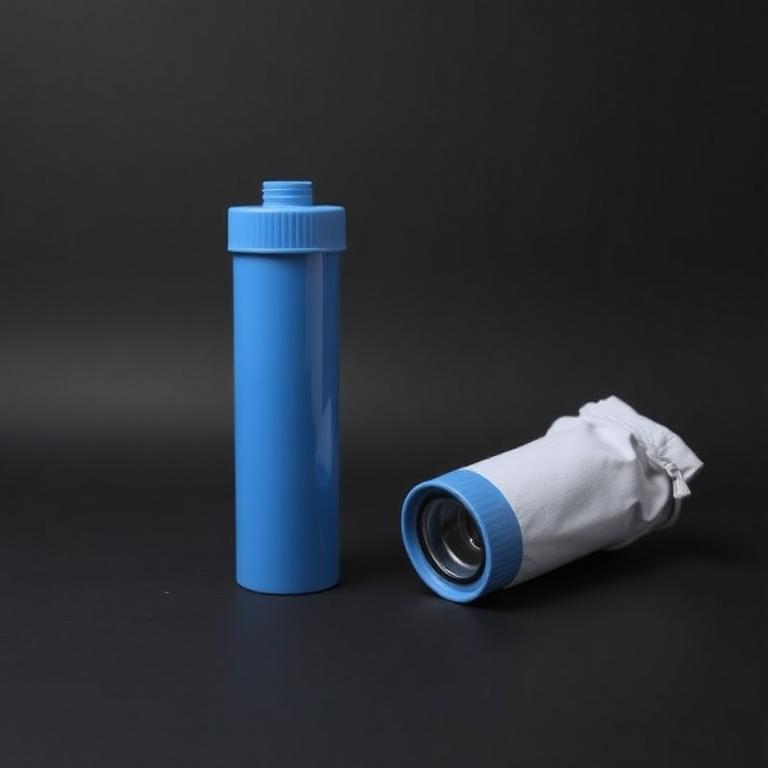
Sawyer Squeeze Water Filter
Sawyer
Water is the heaviest thing you can avoid carrying.
0.1 micron hollow-fibre filter rated for 100,000 litres. Backflush it and it lasts for years.
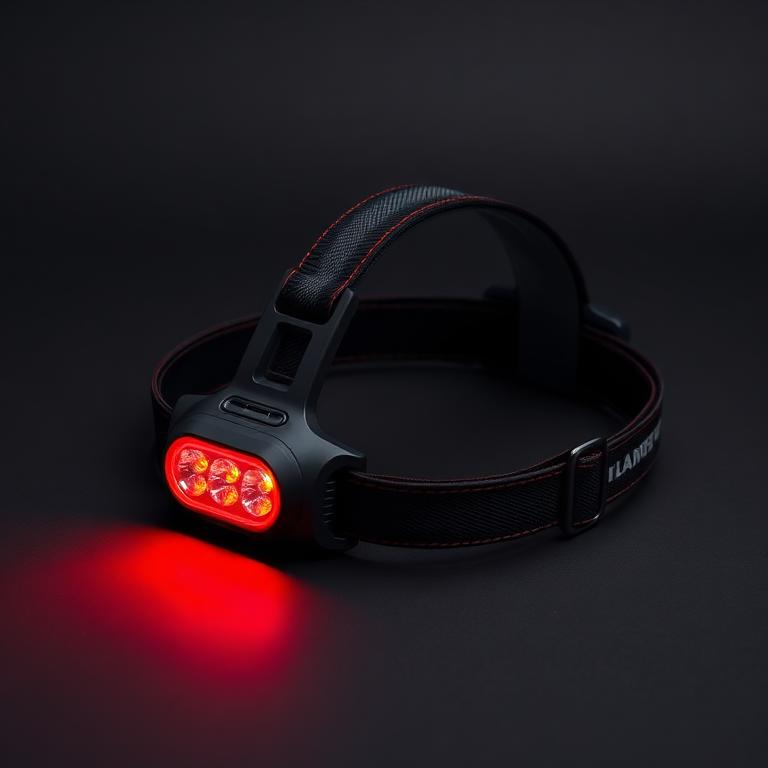
Rechargeable Headlamp
Petzl
Hands-free light with a red mode.
Hands-free light with a red mode that keeps your night vision.
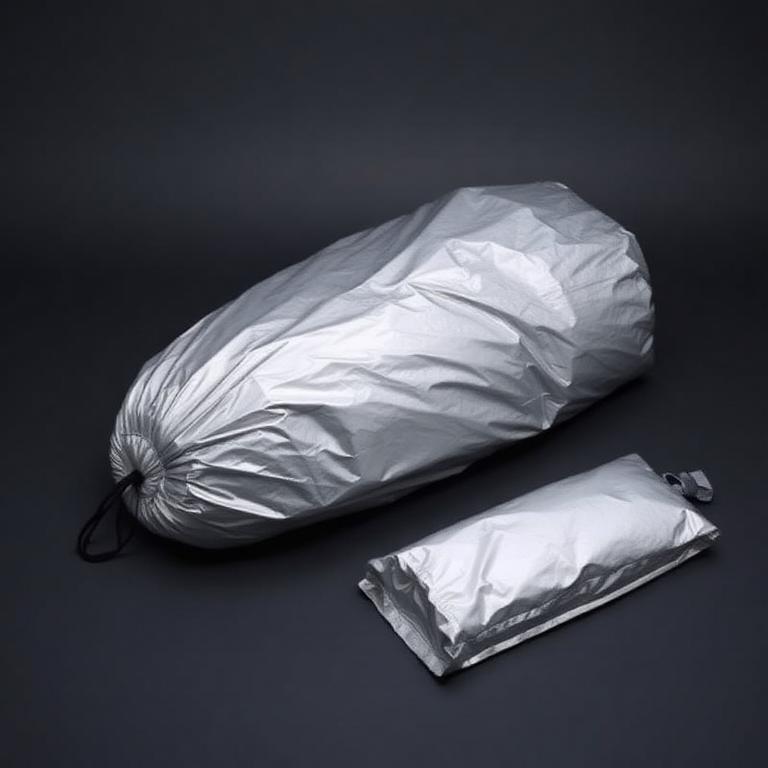
Reflective Emergency Bivvy
SOL
Shelter weight you will not notice.
200g of insurance in the debris hut, the car and the day pack.
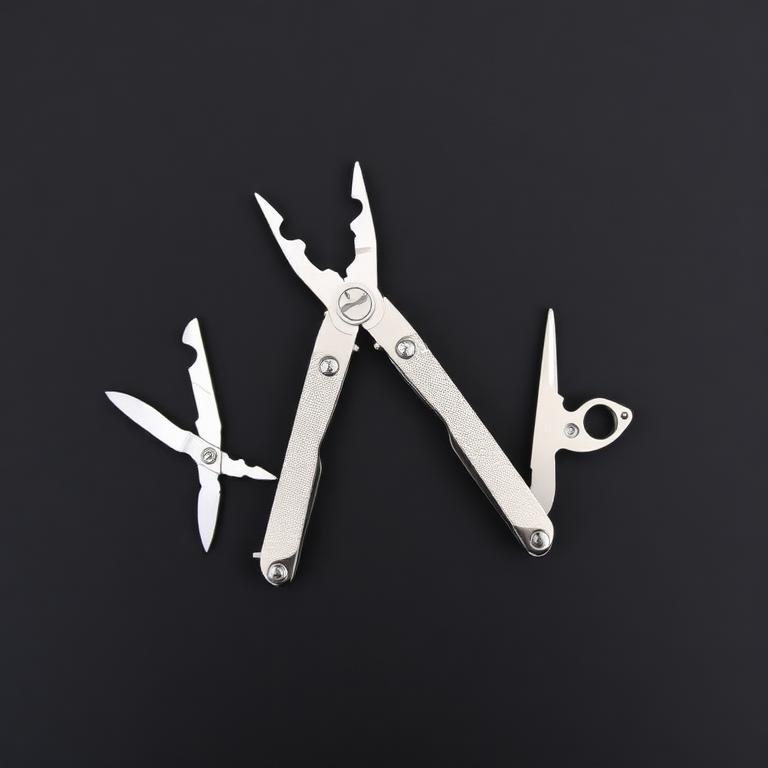
Leatherman Wave+ Multi-Tool
Leatherman
Repairs, not fantasy tools.
Pliers, saw, drivers and scissors in a pocket. The camp repair kit that is always on you.
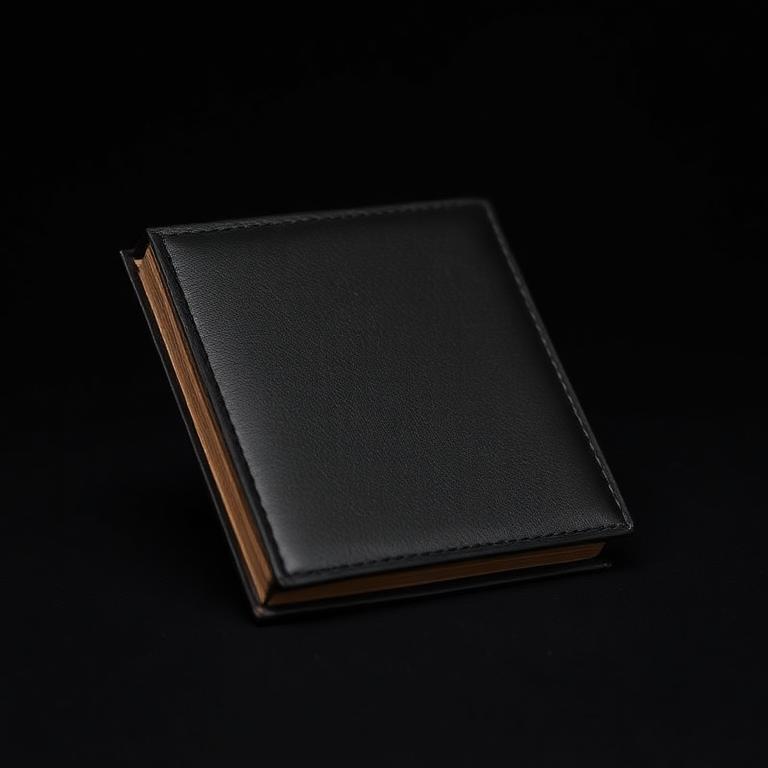
SAS Survival Handbook
John Wiseman
Pocketable reference for the bag.
Dense, pocketable and still the reference for improvised survival.
Some links are affiliate links: if you buy through them we earn a small commission at no extra cost to you. We don't run product tests, and a commission never decides what a guide recommends.
Rate this hack
Be the first to rate this hack
Share your experience
Have you tried this hack? Share your experience, results, tips or suggestions with other readers.
Community experiences
Loading…