
Heating One Room When the Heating Dies
Shrink the space, seal the losses, insulate the people. How to hold a liveable temperature in a flat with no heating and no open flame.
How it works, step by step
Quick facts
Quick facts
Heating an entire home during a power cut is usually the wrong goal. Heating one room properly, and accepting the rest of the house will be cold, is both more achievable and far safer — because most of the genuinely dangerous "solutions" people reach for come from trying to heat too much space with the wrong tools.
Quick facts
Choosing the room before doing anything else
Pick the smallest room with the fewest exterior walls and windows, ideally one without a chimney draught pulling heat out. A small interior bathroom or box room often beats a large bedroom even though it feels like a downgrade — less air volume to warm and fewer surfaces losing heat to the outside.
Sealing and layering the room
- 01
Close every door and vent you don't need. Shut the room off from the rest of the house, including internal doors, to stop your body heat and any extra warmth escaping into cold hallways.
- 01
Block draughts at the floor and window. Rolled towels or blankets along the bottom of doors and windows stop cold air creeping in; this alone raises perceived warmth noticeably.
- 01
Layer clothing before adding blankets. Thermal or wool layers next to skin, then loose layers on top, trap far more warmth than one thick jumper — add blankets over the top rather than instead of layering.
- 01
Use body heat deliberately. Sitting together under one large blanket or duvet, rather than everyone under separate ones, keeps the air between bodies warmer with no extra equipment.
- 01
Add safe, low-power warmth sources if you have them. Battery or USB-powered heated blankets and hot water bottles filled from a kettle boiled elsewhere are both genuinely safe additions; hand and foot warmers help extremities specifically.
- 01
Only consider any kind of flame heater if it is a properly certified indoor heater, used exactly as instructed, with a working carbon monoxide alarm and some ventilation. If you don't already own one rated for indoor use, don't buy or improvise one during the emergency itself — this is not the moment to experiment.
Why carbon monoxide is the real danger here, not cold
Cold is uncomfortable and, in extreme or prolonged cases, genuinely dangerous, but it's slow and visible — you notice you're cold. Carbon monoxide from an unflued gas heater, a barbecue, a camping stove, or a generator brought indoors or into a garage is invisible, odourless, and can incapacitate people before they realise anything is wrong. Every winter, deaths are recorded from exactly this mistake: bringing an outdoor heat source inside during a power cut because a room felt unbearably cold. It is never worth the trade.
What one warm room cannot do
It won't protect pipes elsewhere in the house from freezing — for that you need to know where your stopcock is and consider letting a trickle run, or draining vulnerable pipes. It also isn't a substitute for checking on anyone in the household who is very young, very old, or has a medical condition that makes them vulnerable to cold; they may need more than one warm room can provide, and a winter storm outage that runs for days is a different, more serious situation than one cold evening.
Mistakes that make a cold room worse
- Heating a large open-plan space instead of retreating to one small room
- Using a barbecue, patio heater or generator indoors "just for an hour"
- Skipping clothing layers and relying on blankets alone
- Forgetting extremities — cold hands and feet drive most of the discomfort people blame on room temperature
Sources and further reading
- US CDC, carbon monoxide poisoning prevention (https://www.cdc.gov/carbon-monoxide/about/index.html)
- Met Office, cold weather warnings and advice (https://www.metoffice.gov.uk/weather/warnings-and-advice)
- NHS, keeping warm in winter (https://www.nhs.uk/conditions/first-aid/)
Gear you need for this hack
Everything below does the job in this guide. Improvise where you can — buy where it matters.
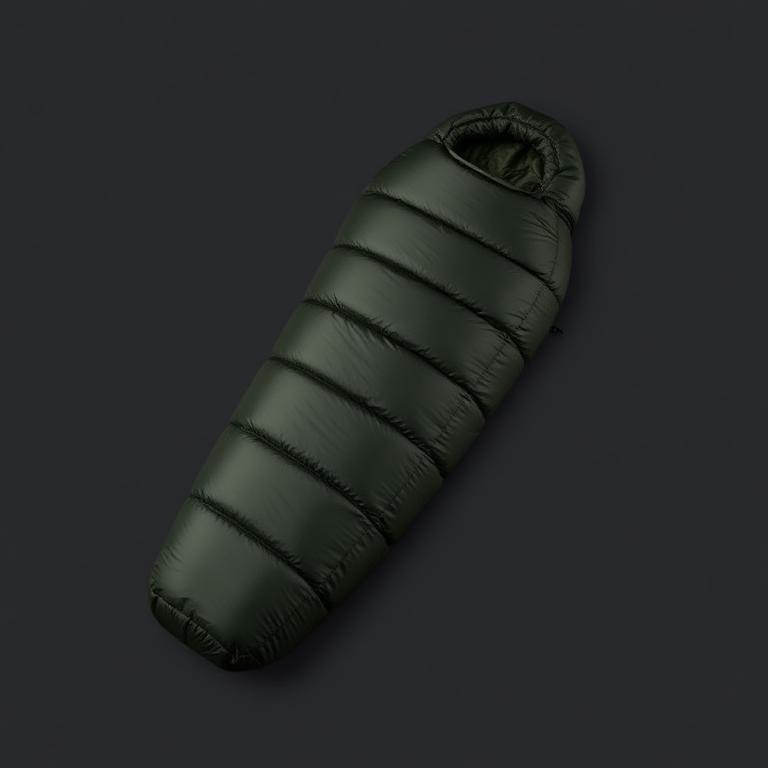
Down Sleeping Bag, -7C Comfort
A real cold rating turns an unheated room into an ordinary night.
Comfort rating, not survival rating, is the number that matters. Keep it dry.
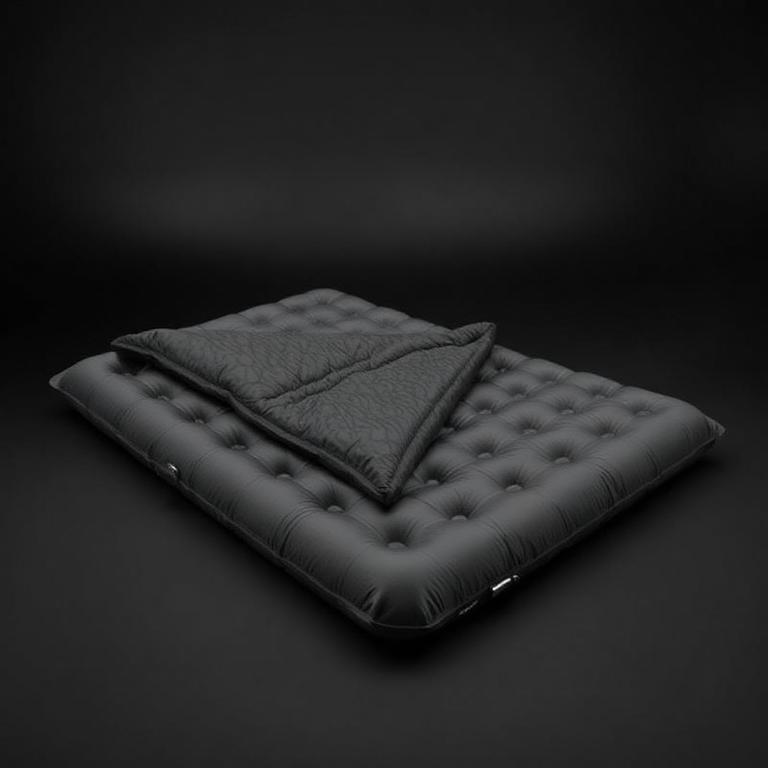
Insulated Sleeping Pad (R-value 4+)
Floor insulation matters more than air temperature.
Ground steals more heat than air. R-value 4 or higher for cold nights.
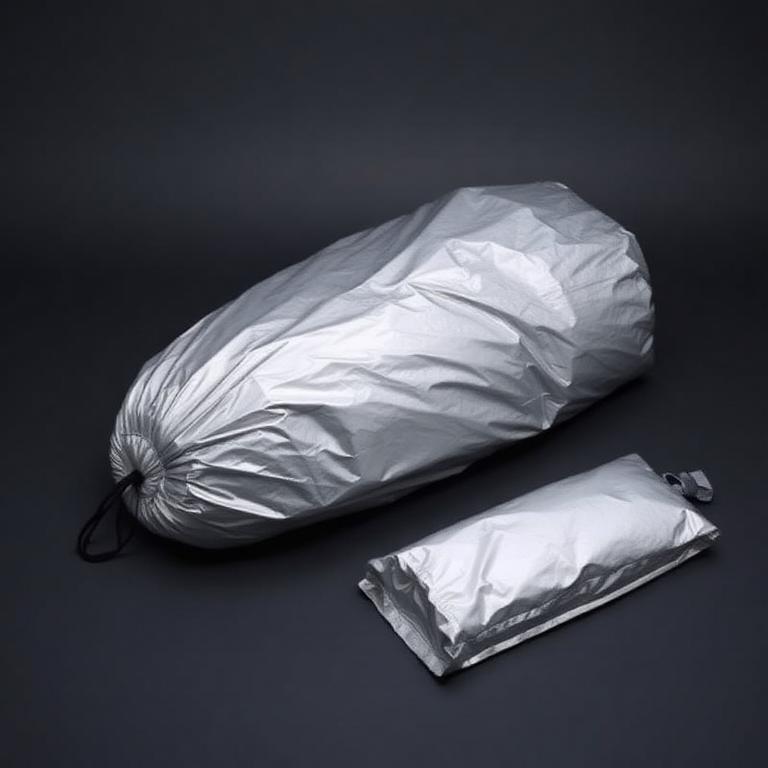
Reflective Emergency Bivvy
SOL
Reflective backup layer that packs down to nothing.
200g of insurance in the debris hut, the car and the day pack.
Some links are affiliate links: if you buy through them we earn a small commission at no extra cost to you. We don't run product tests, and a commission never decides what a guide recommends.
Rate this hack
Be the first to rate this hack
Share your experience
Have you tried this hack? Share your experience, results, tips or suggestions with other readers.
Community experiences
Loading…
More City Hacks
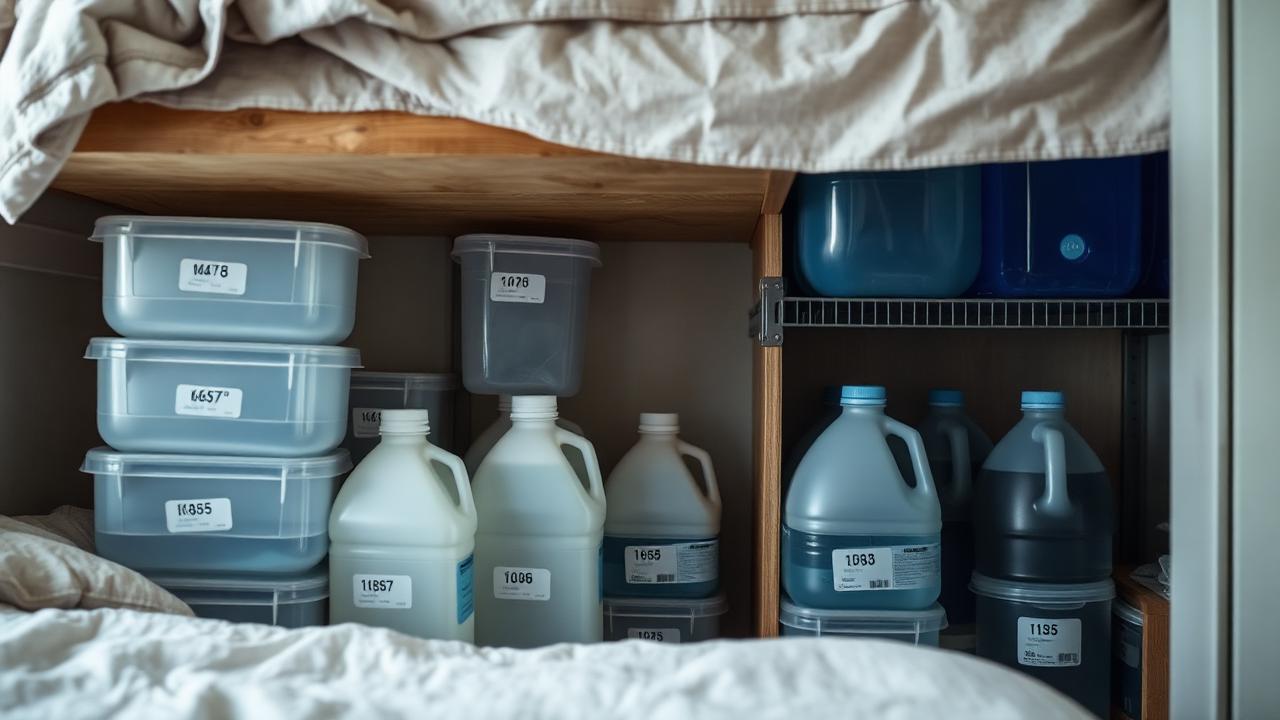
Storing Two Weeks of Water in a Small Apartment
How much water you actually need, where to fit it in a flat, how long it keeps and how to rotate it without turning your hallway into a warehouse.
7 min read
The First Hour of a Blackout: A Room-by-Room Plan
A calm, room-by-room plan for the first hour of a power cut in an apartment: light, fridge discipline, water, heat and information — before the batteries run low.
8 min read
Cooking Indoors Safely When the Power Is Out
Which stoves are safe inside a flat, which will quietly poison you, and how to cook hot meals for days on a single gas canister.
7 min read