Why a Solar Radio With a Flashlight Beats Your Phone in a Blackout
Why a solar hand-crank emergency radio beats your phone in a blackout: NOAA and longwave broadcasts, infinite power, built-in light and how to set one up.
How it works, step by step
The case for a radio
The case for a radio that never needs mains power
The case for a radio that never needs mains power
Phones are brilliant until the cell network goes down or the battery dies, and both tend to happen in the same emergencies that make a radio useful. A solar and hand-crank emergency radio sidesteps both problems: it doesn't need a signal tower to receive a broadcast, and it can generate its own power indefinitely from sunlight or a few minutes of cranking.
Quick facts
Why broadcast radio survives when networks don't
Mobile networks depend on cell towers, backup power at those towers, and internet backhaul — all of which can fail together in a storm or grid outage. AM, FM and NOAA weather radio broadcasts come from a smaller number of high-power transmitters, often with independent backup generators, and a simple radio receiver needs nothing but batteries or a crank to pick them up. This is one reason radio remains part of official guidance for emergency communications when networks fail.
Setting one up so it's actually ready
- 01
Fully charge it once via USB or mains before storing it. A dead-flat internal battery makes the first crank session longer than it needs to be; start from full.
- 01
Find and note your local NOAA weather or civil defence frequency. These broadcast continuous weather and emergency information; write the frequency on a card taped to the radio so you're not hunting for it under stress.
- 01
Test the hand crank for a full minute and check the runtime it gives you. Most radios yield several minutes of listening per minute of steady cranking — get a feel for the ratio on your own unit before you need it.
- 01
Position the solar panel in direct light whenever it's not in use. Even indirect daylight through a window trickle-charges it; direct sun charges faster.
- 01
Check the built-in flashlight and any USB-out charging function. Many units double as a basic torch and can trickle-charge a phone in short bursts — useful, but don't expect it to fully charge a modern phone.
- 01
Store it somewhere you'll actually grab it, not in a box in the loft. A radio that takes ten minutes to locate in a blackout has already failed at its job.
Why "infinite power" is true but has limits
A hand crank and solar panel genuinely never run out of fuel, but they produce a small amount of power. Cranking for a minute might power a radio for several minutes of listening, not hours, and the solar panel needs real daylight — it will not usefully charge from a lamp or on a heavily overcast day. Treat it as reliably available, not effortlessly generous.
Common mistakes
Assuming the USB output can fully charge a smartphone is a frequent disappointment — most hand-crank radios are built to prioritise the radio and light, with phone charging as a slow bonus feature at best. Leaving the radio in permanent storage without ever testing it is the other common failure; batteries and cranks both benefit from occasional use.
When a radio isn't enough on its own
A radio only receives — it can't call for help or tell rescuers where you are. Pair it with a way to actually reach people, such as the approaches covered in emergency communications when networks fail, and with basic phone battery habits like those in keeping your phone alive during a blackout.
Common questions
Will it pick up international shortwave broadcasts? Basic hand-crank radios usually cover AM, FM and NOAA/weather bands only; shortwave capability needs a dedicated shortwave receiver, which is a different and pricier category.
Does the crank wear out? Mechanically, hand-crank generators are simple and reasonably durable, but like any mechanism they can fail with heavy use over years — treat an emergency radio as gear worth checking occasionally, not something to store and forget for a decade.
Sources and further reading
General emergency preparedness guidance including communications: ready.gov.
Gear you need for this hack
Everything below does the job in this guide. Improvise where you can — buy where it matters.
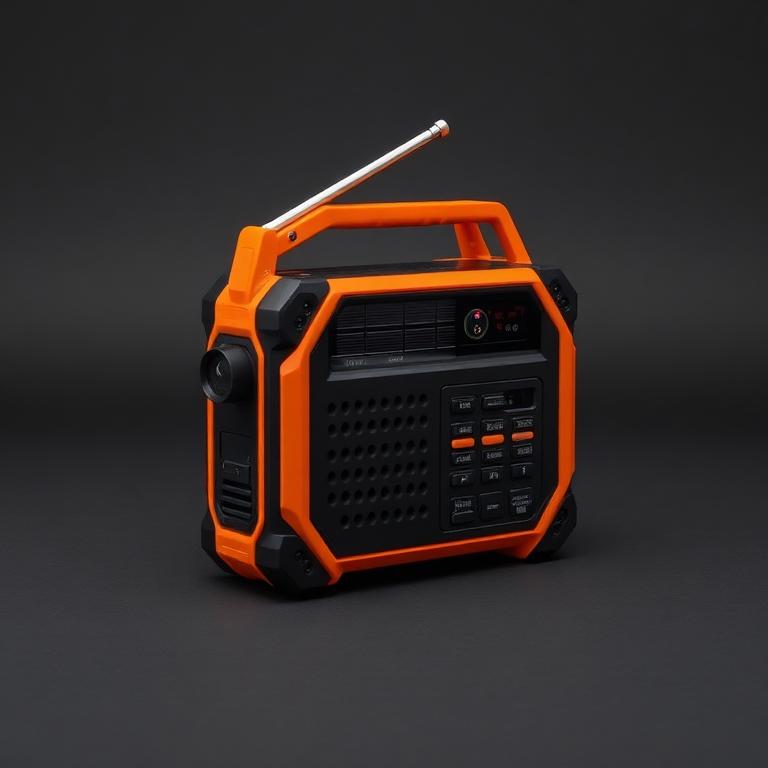
Solar & Hand-Crank Emergency Radio
Midland
Solar, crank and USB in one — the core of this hack.
AM/FM/NOAA weather radio with solar panel, hand crank, built-in flashlight and USB output for topping up a phone.
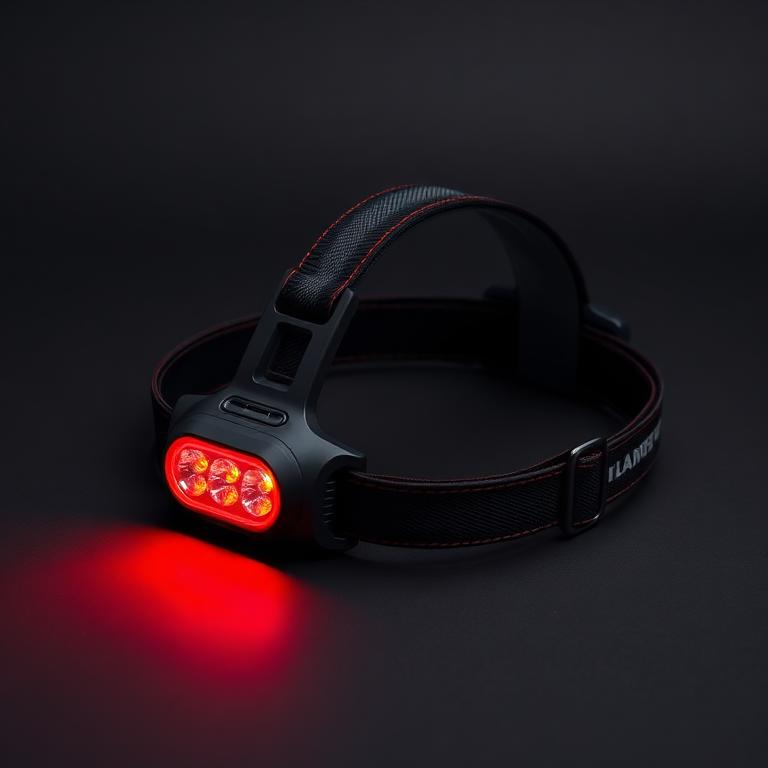
Rechargeable Headlamp
Petzl
Your main hands-free light; the radio torch is the backup.
Hands-free light with a red mode that keeps your night vision.
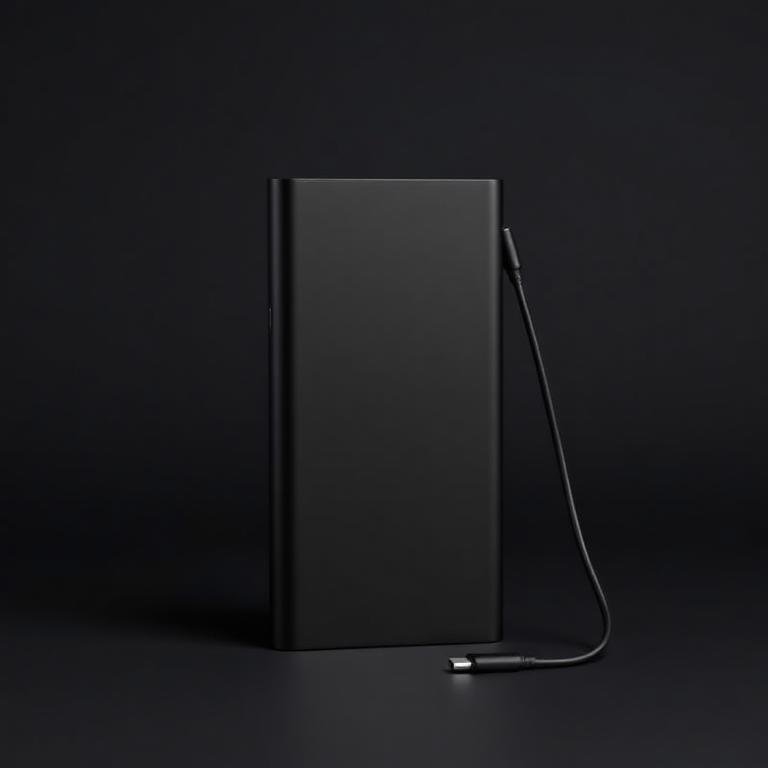
Anker 20,000mAh Powerbank
Anker
Tops the radio up fast when there has been no sun for days.
Enough for a week of phone and headlamp charging. Keep it warm in winter.
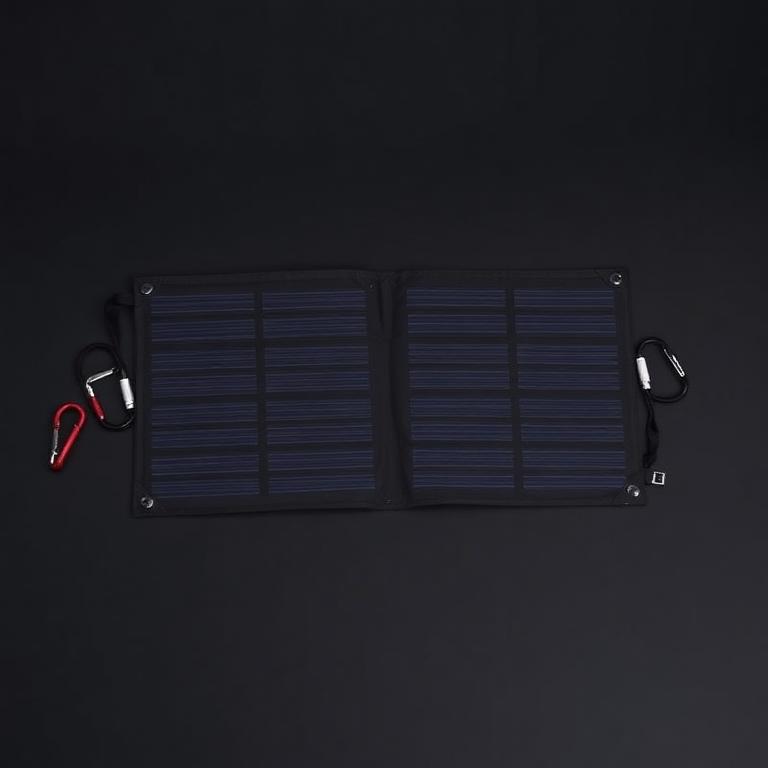
28W Folding Solar Charger
BigBlue
Recharges the powerbank so the whole chain stays independent.
Straps to a pack and refills a powerbank in a day of sun. USB only, no controller needed.
Some links are affiliate links: if you buy through them we earn a small commission at no extra cost to you. We don't run product tests, and a commission never decides what a guide recommends.
Rate this hack
Be the first to rate this hack
Share your experience
Have you tried this hack? Share your experience, results, tips or suggestions with other readers.
Community experiences
Loading…
More Solar & Power
Sizing a 100W Solar Panel and Battery Properly
How to size a 100W solar panel and battery correctly: real daily watt-hours, sun-hour maths, depth of discharge and why most small solar setups fail.
8 min read
Keeping Powerbanks Alive in the Cold
Why powerbanks fail in the cold and how to fix it: lithium chemistry below freezing, body-heat storage, charging rules and choosing cells that cope.
7 min read