
Emergency Water Purification: Boiling, Chemicals and Filters
What each method actually kills, how long it takes, and how to combine them so water of unknown origin becomes genuinely safe to drink.
How it works, step by step
Three different jobs
Three different jobs, not three versions of the same job
Three different jobs, not three versions of the same job
The three common purification methods — boiling, chemical treatment and filtering — don't do the same thing. Confusing them is one of the most common and genuinely dangerous mistakes in emergency water prep, because a method that handles biological risk perfectly well can leave chemical or heavy-metal contamination completely untouched, and vice versa. Understanding what each one actually removes matters more than owning all three.
Quick facts
What boiling does and does not do
Boiling water at a rolling boil for about one minute (three minutes above roughly 2,000m altitude, where water boils at a lower temperature) kills essentially all bacteria, viruses and parasites. It is the single most reliable method against biological contamination and needs no special equipment. It does nothing whatsoever about chemical pollutants, heavy metals, salts or most toxins — boiling water contaminated with fuel, agricultural runoff or heavy metals concentrates those contaminants as the water evaporates rather than removing them.
What chemical treatment does and does not do
Chlorine or iodine tablets, and household unscented bleach at the correct low dilution, are effective against most bacteria and viruses given enough contact time — often 30 minutes, longer in cold or cloudy water. They are notably weak against certain parasites, particularly Cryptosporidium, which has a hard outer shell that resists standard chemical doses. Chemical treatment also does nothing for chemical pollution, sediment, or bad taste and smell, and iodine is not recommended for pregnant people or anyone with thyroid conditions.
What filtering does and does not do
A mechanical filter with a pore size around 0.2 microns or smaller removes bacteria and protozoa (including Cryptosporidium) very effectively, and removes sediment and some improve taste. Most portable filters do not reliably remove viruses, which are smaller than the filter pore size — this matters more in areas with contaminated sewage runoff than in most wilderness surface water. Filters also don't remove dissolved chemicals or salts unless they specifically include activated carbon or reverse osmosis stages, and even then, removal is partial, not absolute.
Combining methods for water of unknown origin
- 01
Assess the water source first. Cloudy, stagnant or obviously polluted water (near agriculture, industry or sewage) needs more caution than clear running water from an upland source.
- 01
Pre-filter for sediment. Pour through cloth or a coffee filter, or let it settle, to remove visible particles before treating — this improves the effectiveness of every method that follows.
- 01
Filter for protozoa and bacteria. Use a filter rated 0.2 microns or finer if you have one; this is your main defence against Cryptosporidium and Giardia.
- 01
Boil or chemically treat for viruses and remaining bacteria. Boiling is more thorough where you can build a fire or use a stove; chemical treatment is the fallback where heat sources aren't available.
- 01
Consider activated carbon for taste and some chemicals. This step is a refinement, not a safety step on its own.
- 01
When in real doubt, use two methods, not one. Filter then boil, or filter then chemically treat, covers the gaps either method leaves alone.
Why layering works
Each method targets a different size or class of contaminant — filters remove particles by physical size, heat destroys organisms by denaturing them, chemicals disrupt cell function over time. None of the three overlaps completely with another, which is exactly why relying on just one leaves a known gap rather than an unknown one.
Common mistakes
Assuming any single method is "complete" purification. Not giving chemical treatment enough contact time, especially in cold water where reactions slow down. Boiling contaminated-looking water and assuming it's now safe from everything, including chemical pollution it never removed. Using a filter with too large a pore rating and believing it protects against viruses when it doesn't.
Improvising without dedicated kit
Without tablets or a filter, a rolling boil is the most defensible fallback for biological safety, alongside letting cloudy water settle first through cloth. Unscented household bleach at the standard emergency dilution (check current CDC or WHO guidance for the exact ratio, since it varies by bleach concentration) is a reasonable stand-in for tablets. None of this substitutes for a proper filter or lab test where genuine chemical contamination is suspected — see apartment water storage and tarp rainwater catchment for reducing how often you need to purify unknown-source water at all, and a three-stage gravity filter for a more complete home setup.
What none of these methods can do
None of these remove dissolved salts (seawater needs desalination, not filtering or boiling), heavy metals, or most industrial chemical contamination. If you suspect chemical or fuel contamination, treat the water as unusable rather than trying to purify it with any of these methods.
Common questions
Is bottled water automatically safer than treated tap water? Not necessarily — it's simply sealed and known-source, which matters in a contamination event, but it isn't purified to a higher standard than well-treated water.
Can I just smell or look at water to judge if it's safe? No. Many dangerous contaminants, including most pathogens, are undetectable by sight or smell.
Sources and further reading
Gear you need for this hack
Everything below does the job in this guide. Improvise where you can — buy where it matters.
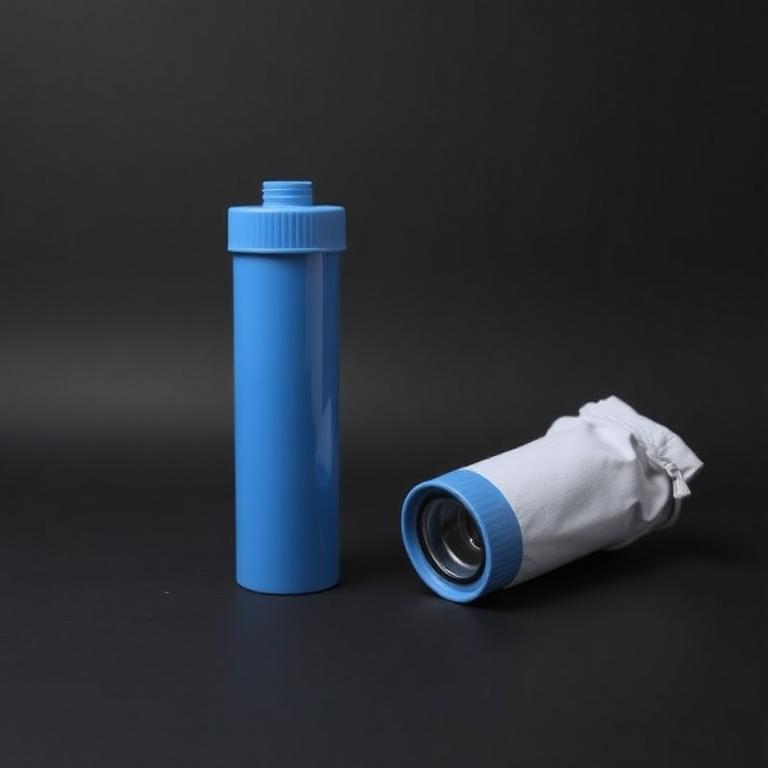
Sawyer Squeeze Water Filter
Sawyer
0.1 micron filtration for bacteria and protozoa, field-proven.
0.1 micron hollow-fibre filter rated for 100,000 litres. Backflush it and it lasts for years.
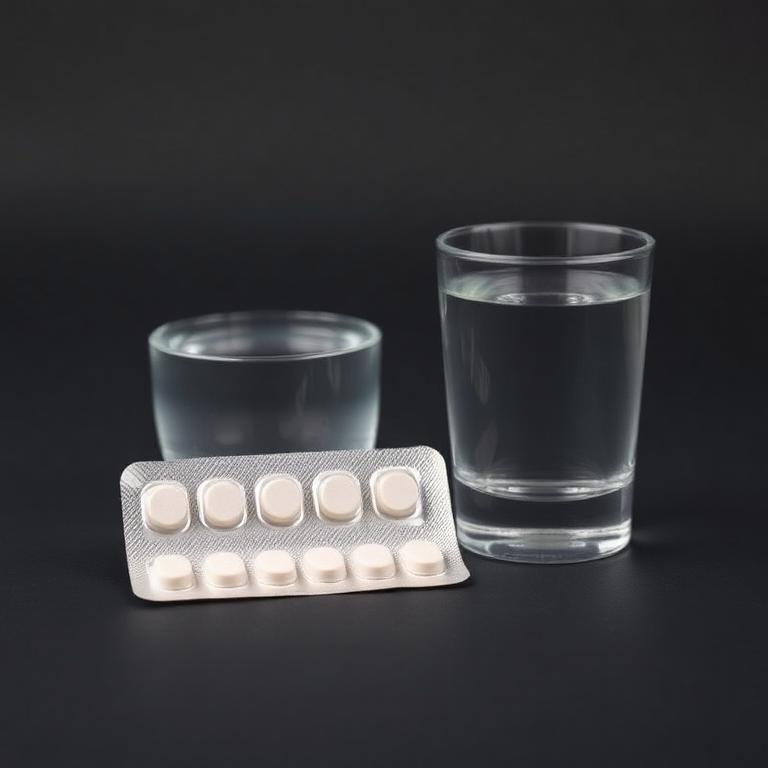
Aquatabs Purification Tablets
Aquatabs
Chemical treatment covering viruses that filters miss.
Kills what a DIY filter cannot. Cheap, tiny, and the correct backup to any homemade setup.
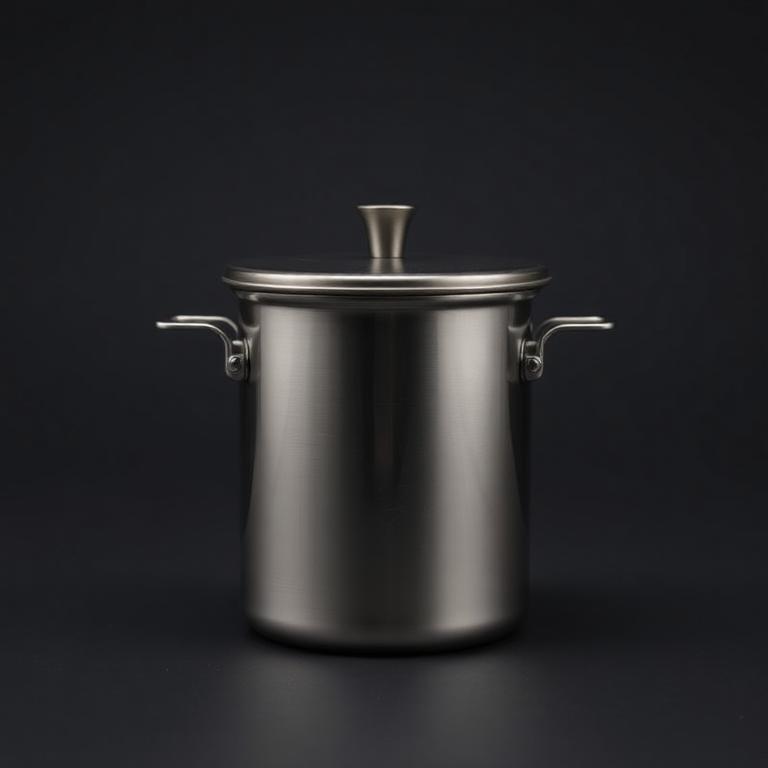
Titanium 750ml Pot
Boiling remains the most reliable method when you have heat.
Light enough to always carry, tough enough to sit straight in the coals.
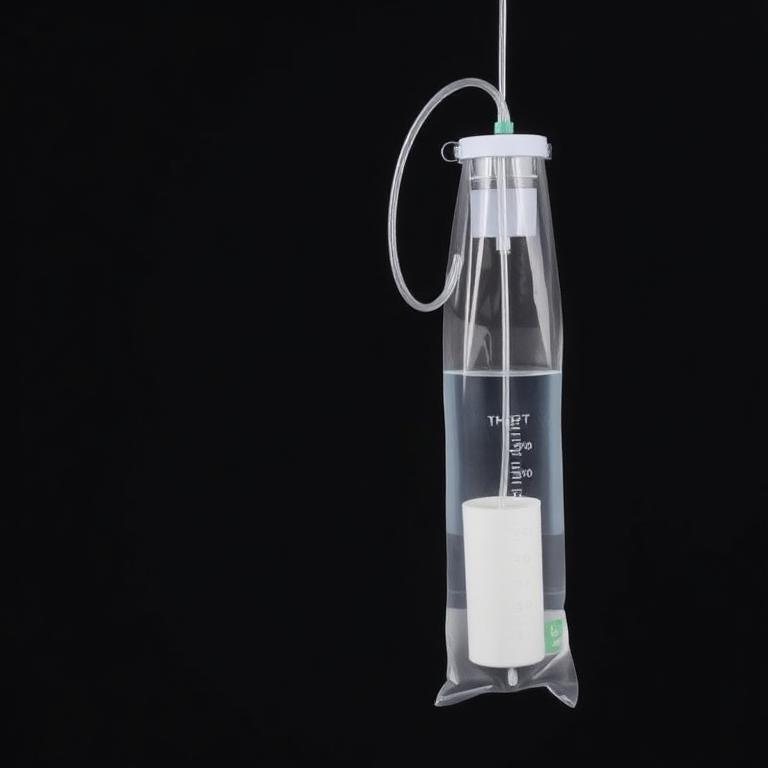
LifeStraw Gravity Bag Filter
LifeStraw
Treats larger volumes for a household without pumping.
Hang-and-forget gravity filtration for a camp or family. No pumping.
Some links are affiliate links: if you buy through them we earn a small commission at no extra cost to you. We don't run product tests, and a commission never decides what a guide recommends.
Rate this hack
Be the first to rate this hack
Share your experience
Have you tried this hack? Share your experience, results, tips or suggestions with other readers.
Community experiences
Loading…
More Emergency
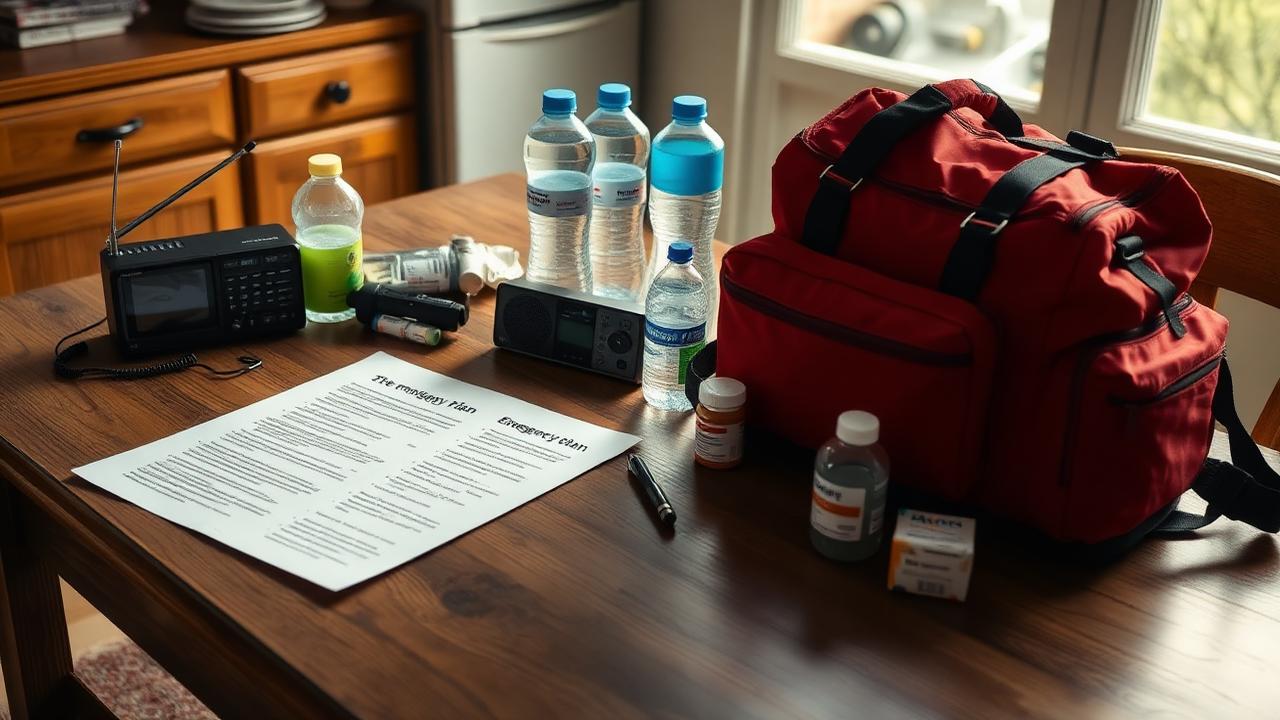
Building a 72-Hour Emergency Plan Your Family Will Actually Use
A one-page plan covering meeting points, contacts, roles and supplies — the boring document that makes every other preparation work.
8 min read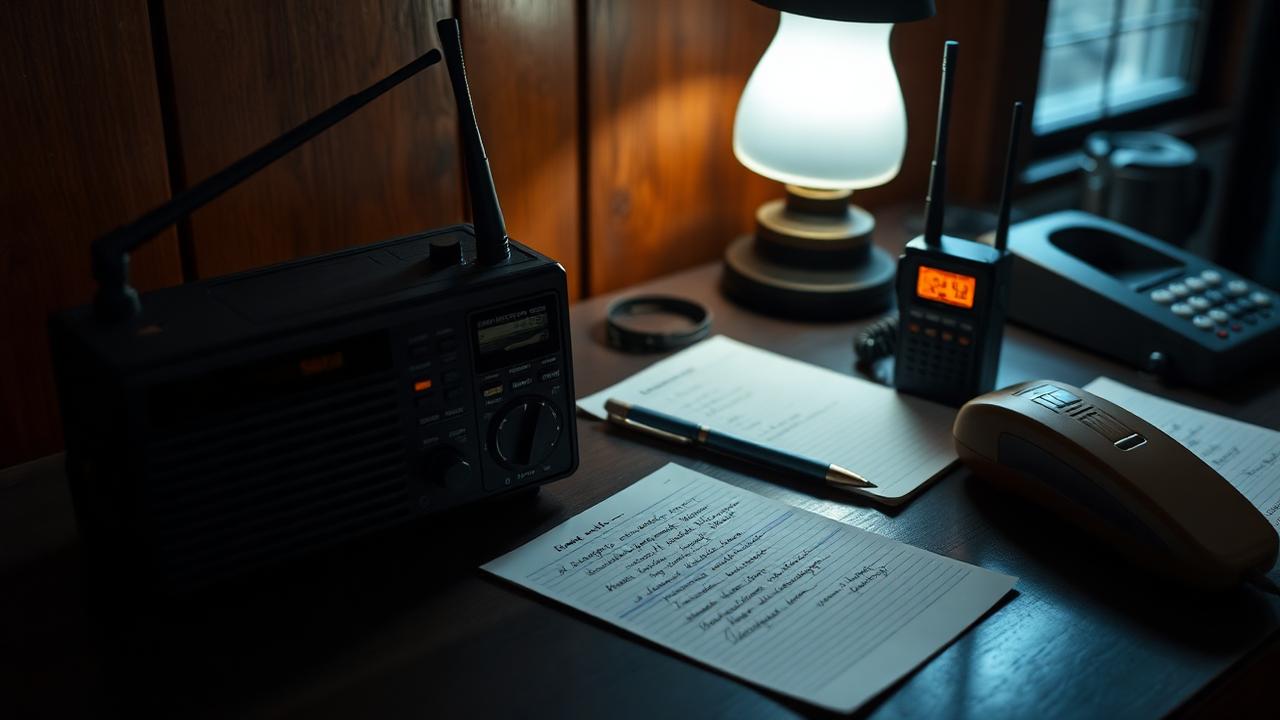
Staying in Contact When Networks Fail
Radio, SMS, out-of-area contacts and low-tech signals — a layered plan for staying in touch when the mobile network is congested or gone.
7 min read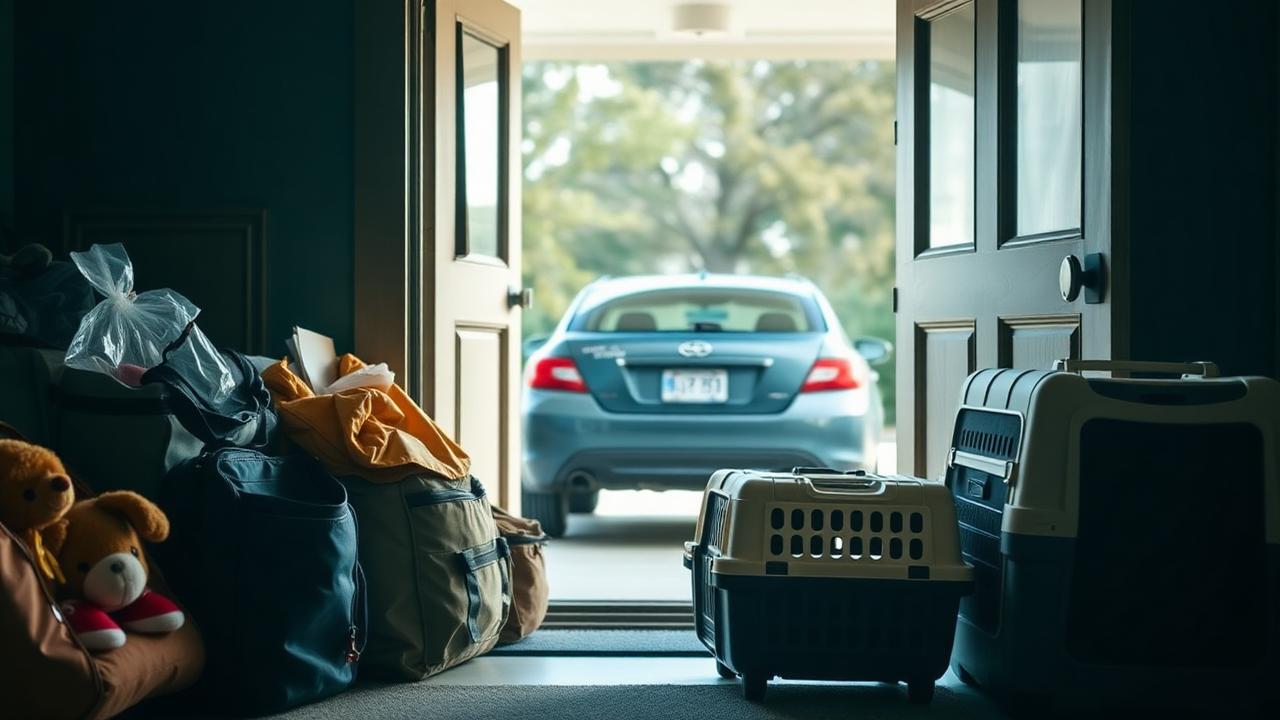
Evacuating in 15 Minutes: The Grab List
A printed, prioritised list that gets your family, documents, medication and pets out of the door without a single decision made in panic.
7 min read