Bug Out Bag Checklist: Every Item, By Priority
A complete bug out bag checklist covering water, fire, shelter, first aid, light, food, tools and documents — with weights, quantities and what to leave out.
How it works, step by step
A checklist is only useful if
A checklist is only useful if you'd actually grab it
A checklist is only useful if you'd actually grab it
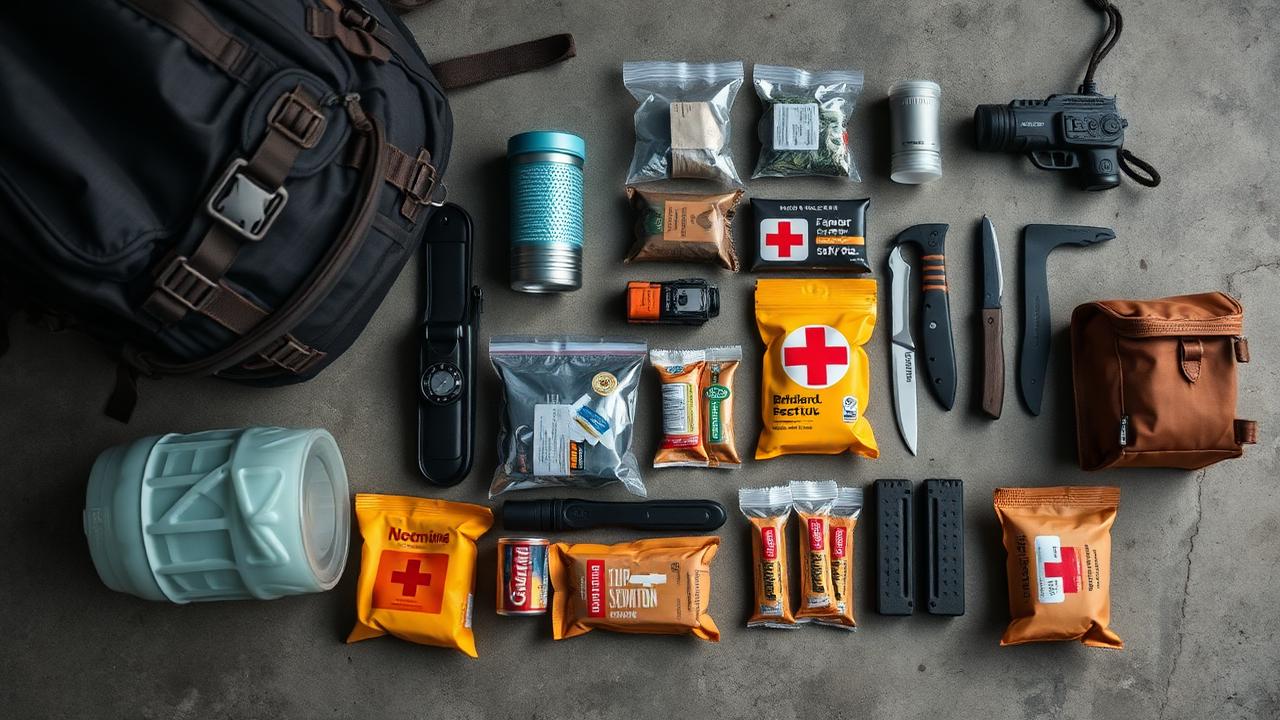
The internet is full of bug out bag lists with sixty items and no sense of priority. This one is ordered by what actually keeps you alive and functioning in the first 72 hours, so if you can't carry everything, you know what to cut last. Nothing here requires buying premium gear — most items can be improvised or bought cheaply, and the list works whether you spend nothing or a fair amount.
Quick facts
Priority 1: water and the means to get more
Water beats everything else in urgency. Carry at least 1-2 litres per person as a start, plus a way to purify more — a bottle with an integrated filter, purification tablets, or the knowledge covered in emergency water purification. Untreated water from an unknown source carries a real risk of illness that can be far more dangerous during a disaster when medical care is harder to reach.
Priority 2: shelter and warmth
A lightweight tarp or emergency bivvy, a warm layer appropriate to your climate, and a way to start a fire. Hypothermia can set in faster than most people expect, even in temperatures well above freezing if you're wet. See five tarp shelter configurations and one-match fire in wet weather for the actual techniques.
Priority 3: first aid and medication
- 01
Pack a first aid kit that covers real injuries, not just plasters. Include wound dressings, a triangular bandage, antiseptic wipes and any tape, following the reasoning in a first aid kit that works.
- 01
Add a 3-7 day supply of any regular prescription medication. This is the item people forget most often and the one hardest to replace mid-disruption.
- 01
Include basic pain relief and any known allergy medication. Keep these clearly labelled and easy to find without digging.
- 01
Add a card noting medical conditions, allergies and emergency contacts. If you're unconscious or unable to speak, this does the talking for you.
- 01
Check expiry dates every six months. Medication and some dressings degrade; a rotation reminder in your calendar keeps the kit genuinely usable.
- 01
Keep the kit accessible, not buried at the bottom of the bag. Seconds matter with bleeding injuries.
Priority 4: light, power and communication
A headlamp with spare batteries, a powerbank kept charged (see keeping your phone alive during a blackout), and a whistle for signalling. A wind-up or solar radio is a reasonable addition if you have room — why a solar radio beats your phone in a blackout explains the reasoning.
Priority 5: food and cooking
Calorie-dense food that needs no cooking (nuts, dried fruit, energy bars) covers the first day cheaply. If you're carrying a stove, remember it's for outdoor use only — never run a fuel-burning stove inside a tent, vehicle or building. See cooking indoors without power for what is actually safe indoors.
Priority 6: documents and cash
Copies of ID, insurance details and a small amount of cash in a waterproof pouch. Card payment systems and ATMs can go down in a wider outage; cash doesn't need a network.
What to genuinely leave out
Heavy multi-tools with features you'll never use, cotton clothing (it stays wet and steals heat), and duplicate items across every category — one good knife beats three mediocre ones. Weight adds up fast, and a bag you can't comfortably carry for an hour is a bag you'll abandon.
Common mistakes
Packing for a wilderness expedition rather than 72 hours of disruption is the classic overreach — most bug out scenarios involve getting to safety or waiting out a short disruption, not living off-grid for weeks. The other common mistake is assembling the bag once and never checking it again; batteries drain, food expires, and kids' clothing sizes change.
Sources and further reading
General 72-hour and emergency kit guidance: ready.gov and Red Cross first aid basics: Red Cross first aid.
Gear you need for this hack
Everything below does the job in this guide. Improvise where you can — buy where it matters.
30L Bug-Out Daypack
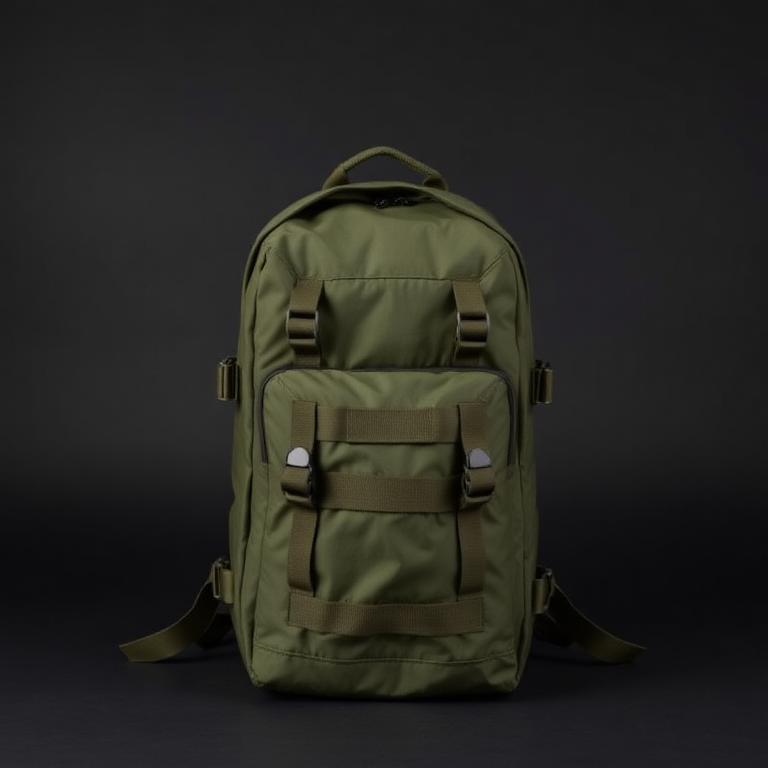
The right volume — big enough for 72 hours, small enough to stop overpacking.
The right size for a 72-hour bag. Bigger packs just tempt you to overload.
Sawyer Squeeze Water Filter
Sawyer
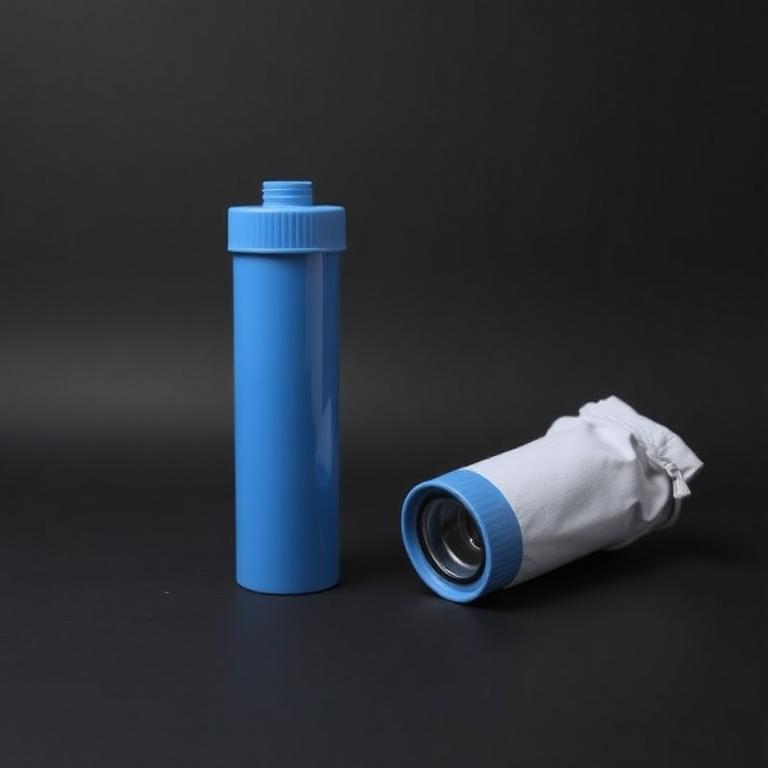
Turns every stream into supply so you carry two litres, not four.
0.1 micron hollow-fibre filter rated for 100,000 litres. Backflush it and it lasts for years.
Reflective Emergency Bivvy
SOL
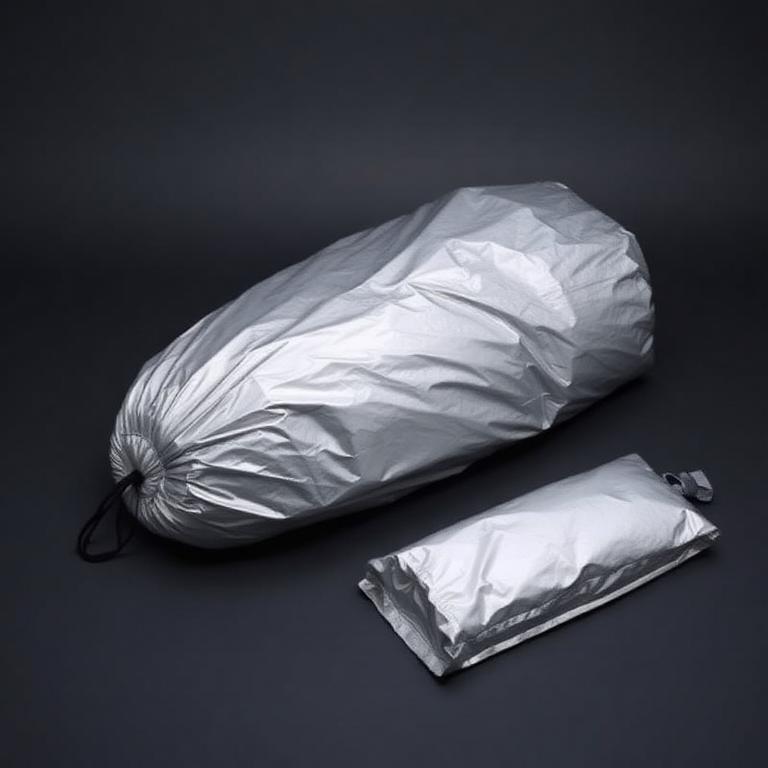
The lightest real shelter you can put in a side pocket.
200g of insurance in the debris hut, the car and the day pack.
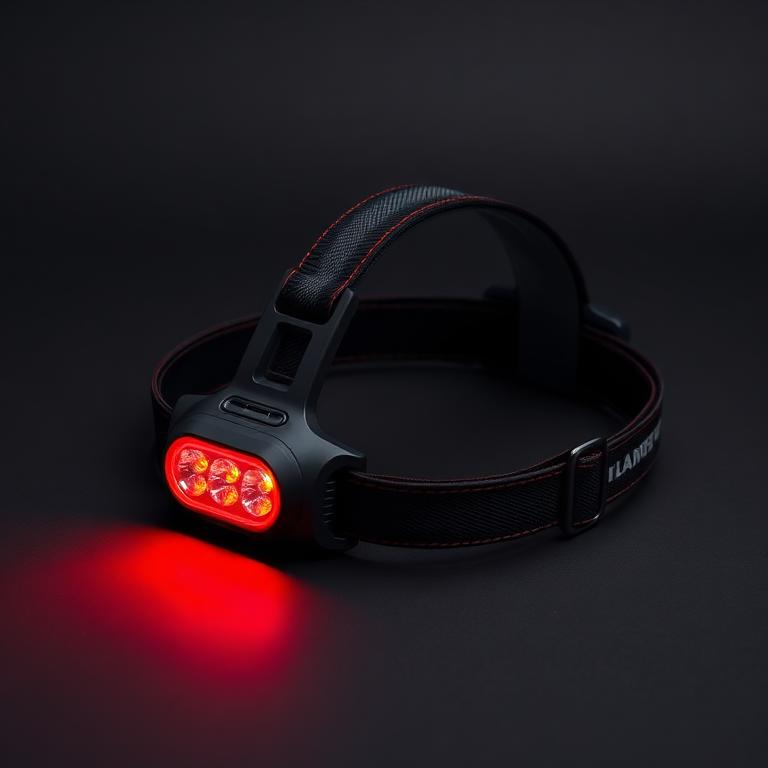
Rechargeable Headlamp
Petzl
Hands-free light with a red mode for keeping night vision.
Hands-free light with a red mode that keeps your night vision.
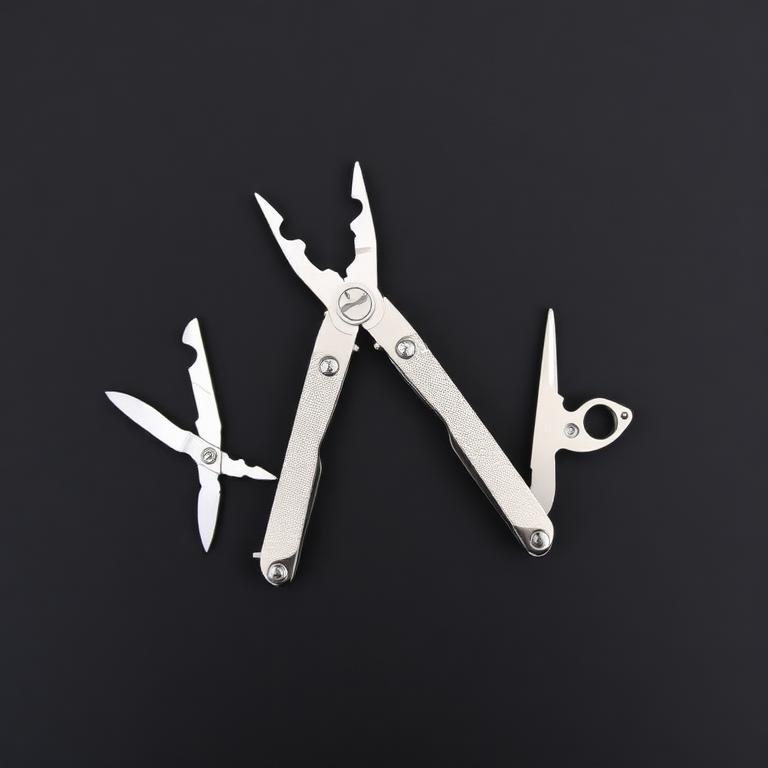
Leatherman Wave+ Multi-Tool
Leatherman
Repairs and adjustments, not fantasy tools.
Pliers, saw, drivers and scissors in a pocket. The camp repair kit that is always on you.

SAS Survival Handbook
John Wiseman
A pocket reference that works when the phone is dead.
Dense, pocketable and still the reference for improvised survival.
Some links are affiliate links: if you buy through them we earn a small commission at no extra cost to you. We don't run product tests, and a commission never decides what a guide recommends.
Rate this hack
Be the first to rate this hack
Share your experience
Have you tried this hack? Share your experience, results, tips or suggestions with other readers.
Community experiences
Loading…